



The Office of Rail and Road (ORR) granted Virgin Trains Channel Tunnel track access on 13 August 2026, pre-approving an agreement that permits up to 20 daily return services between London St Pancras and the continent from 1 October 2030 through to 31 December 2040.
The formal agreement is between HS1 Limited, trading as London St Pancras Highspeed, and VTE OPCO Limited, the Virgin Trains operating entity. Both parties have until 4 September 2026 to execute it.
It is, on the face of it, a genuinely meaningful step. Eurostar has held a monopoly on passenger services through the tunnel since it opened in 1994. That is over three decades of unchallenged pricing power on one of the busiest international corridors in Europe. The ORR’s approval does not end that monopoly, but it starts the clock on ending it.
What the Virgin Trains Channel Tunnel approval actually covers
The ORR’s approval is narrower than it sounds. It covers only the track between London St Pancras and the tunnel entrance at Dover. Virgin still needs to secure access to rail networks in mainland Europe and, separately, must negotiate access with Eurotunnel, the owner of the tunnel itself, which is a distinct and unresolved step.
Safety certification from both UK and EU authorities remains outstanding. And the track access agreement contains a clause requiring Virgin to obtain rolling stock by a set deadline or the contract lapses, according to Trains.com, though the ORR did not disclose the specific date publicly.
Martin Jones, the ORR’s deputy director of access and international, said: ‘This is an important next step in bringing competition and growth to the market for international rail services. While there is still more work to do, we are supporting Virgin and the wider industry to grow international services.’
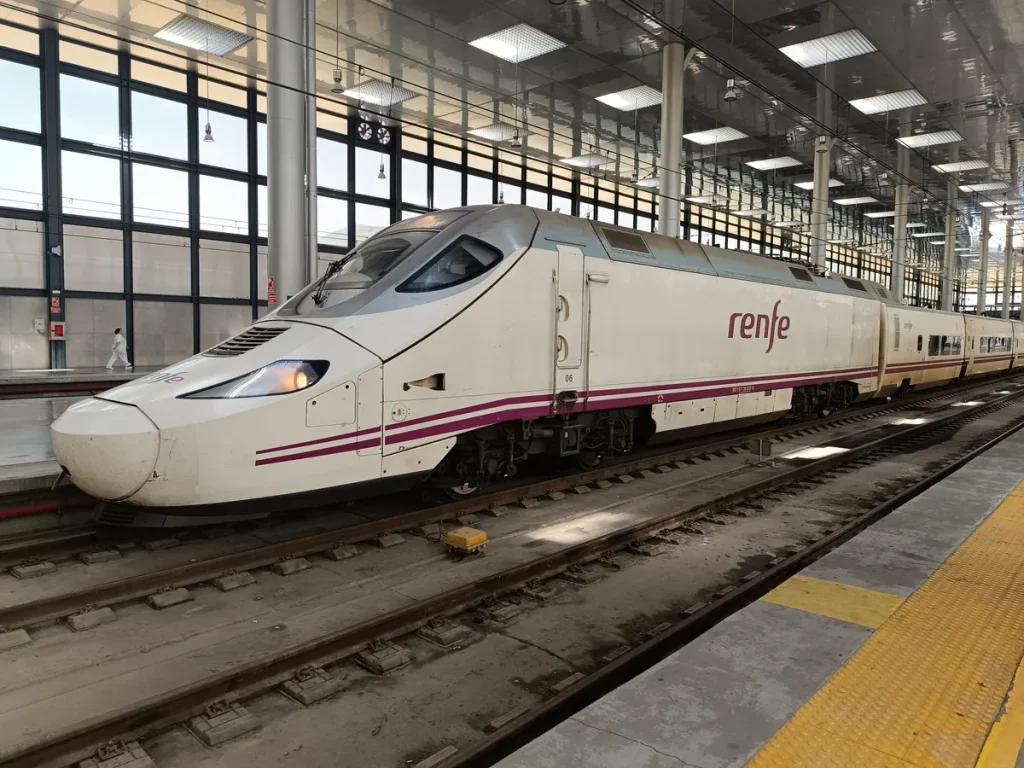
Virgin is planning to buy 12 Alstom Avelia Stream high-speed trains for the route. According to Virgin’s own blog, the Avelia Stream is the same manufacturer that built the Pendolino fleet for Virgin Trains’ domestic services. Railway Gazette International reported in August 2025 that Virgin planned to place that order in the fourth quarter of 2025, triggering a four-and-a-half-year manufacturing and delivery schedule. If that timeline held, trains would arrive around mid-2030, cutting it fine against the October launch target.
The depot decision that shaped the competitive field
Last October, the ORR’s approval of Virgin’s access to the Temple Mills depot in east London was the decision that quietly set the terms of this race. Temple Mills is the only facility in the UK capable of housing the larger rolling stock used on continental routes and is already connected to the cross-Channel line.
The ORR approved only Virgin’s application. It rejected bids from three other applicants: Evolyn, Gemini, and Trenitalia France, concluding that Virgin had the strongest prospects of making the best use of capacity. That decision was also projected to unlock up to £700 million in private sector investment and 400 new jobs.
The irony for Trenitalia France is considerable. Its parent, Italy’s FS Italiane Group, is still planning to run Channel Tunnel services from 2029, having signed an agreement last week for 19 new high-speed trains from Hitachi Rail. But it will do so without guaranteed access to the only depot capable of maintaining its fleet in the UK.
A Virgin Group spokesperson said: ‘Our plans for a new London-Europe rail service from 2030 are moving at pace. We welcome the ORR’s pre-approval of our track access agreement and the opportunity to bring competition and Virgin’s award-winning customer experience to the Channel Tunnel.’
Eurostar, for its part, took the measured line. It said the approval confirmed ‘the huge potential for growth in international rail and the ambition across the industry to bring more passengers to Europe by train,’ adding that its focus remained on ‘investing in our fleet and carrying 30 million passengers a year.’
That is a composed response from an incumbent facing its first serious domestic rival in over 30 years. Whether the composure lasts depends on how quickly Virgin resolves its rolling stock deadline, clears EU safety certification, and pins down a deal with Eurotunnel. The 4 September deadline for signing the ORR agreement is the first test. There will be several more before a Virgin train actually departs St Pancras for Paris.
