


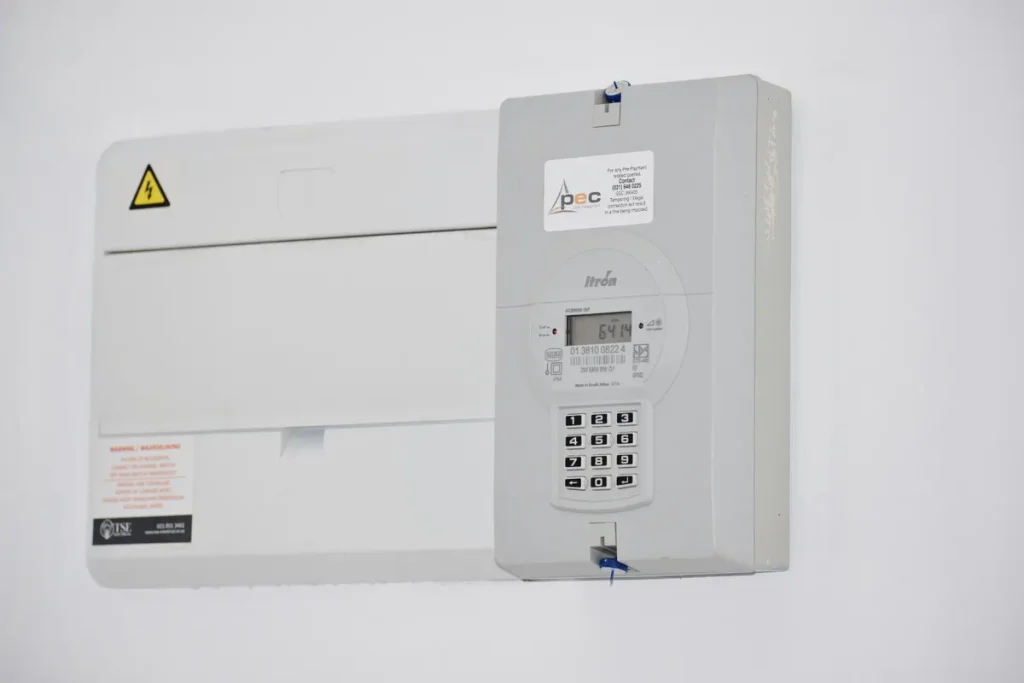

The energy price cap rise confirmed for October will leave most households worse off than they were before Andy Burnham promised voters relief, with the 4% increase officially set by Ofgem on 26 August outstripping the savings from his VAT cut on electricity bills by a margin that will feel particularly cruel as winter arrives.
Ofgem has set the cap at £1,723 a year for a typical household paying by direct debit for dual-fuel supply, up £60 a year (£5 a month) from the current £1,663 level, for the period 1 October to 31 December 2026. That figure is Ofgem’s own number. Energy consultancy Cornwall Insight had forecast a cap of £1,729, marginally higher under its own methodology; the Ofgem press release is the authoritative figure.
Either way, the cap reaches its highest level since July 2023, driven by soaring wholesale gas prices amplified by the Middle East conflict and compounded by heavy gas use in power plants during this summer’s European heatwaves.
What the Energy Price Cap Rise Means for Your Bills
The unit rates tell the practical story. Electricity charges are forecast to rise from 26.11p per kWh to 26.57p, while gas rises from 7.33p to 7.90p per kWh for direct-debit customers, according to Cornwall Insight’s analysis. Ofgem currently sets the electricity standing charge at 57.19p per day and the gas standing charge at 29.04p per day for the July-to-September quarter.
Against that, Burnham’s removal of the 5% VAT rate on electricity bills (effective from 1 October) saves households around £45 a year on the electricity portion of their bills. It does not apply to gas costs at all, a point worth holding onto: gas is the component that is surging.
The arithmetic is not kind. A £60 annual increase in the cap against a £45 annual saving on electricity VAT leaves the average household roughly £15 a year worse off than they would have been if prices had simply stayed flat. For anyone on a lower income, dependent on heating through winter, the VAT cut registers more as consolation than relief.
Craig Lowrey, principal consultant at Cornwall Insight, did not dress it up. ‘It is a stark reminder that our energy bills remain tied to events thousands of miles away,’ he said. ‘While temporary relief like VAT cuts help soften the blow, they don’t touch the underlying fact that Britain is heavily dependent on imports of natural gas. As long as we’re exposed to global markets, the risk of these price shocks will remain.’
Ofgem protects around 22 million households on default tariffs through the cap mechanism, which is recalculated every three months to reflect changes in wholesale supply costs. Around 35%, or approximately 11 million households, are on fixed tariffs and will not see this rise directly.
One factor slightly softening the headline number: Ofgem has reduced its Typical Domestic Consumption Values (TDCVs), the assumed usage figures that underpin the cap calculation, after finding that households are using around 7% less electricity and 17% less gas compared to the previous review period. Better energy efficiency, warmer weather, and the price signal itself have all contributed. Without that recalibration, Cornwall Insight calculates the equivalent cap under the old methodology would have risen to £1,940.69, up from £1,862 in the July-to-September quarter.
A Deeper Vulnerability Than Any Single Quarter’s Cap
Jess Ralston, head of energy at the Energy and Climate Intelligence Unit, framed the moment bluntly: ‘To many households this will feel like a horrible reminder of the first gas crisis after Russia invaded Ukraine. What’s even more worrying is that wholesale gas prices have reached a near four-year high, which is likely to cause more increases to future bills.’
Ralston also flagged the UK’s continued reliance on gas for home heating as ‘a particular concern as although electric heat pump sales are on the up, we still lag behind European neighbours going further and faster to reduce gas dependence.’
The VAT cut’s limitations stretch beyond households. The Guardian reports the relief will not apply to most businesses, only to small companies and charities, doing little to contain the knock-on inflation from higher energy costs working through everyday goods prices. The BBC notes the VAT cut is expected to reduce inflation by just 0.1 percentage points overall.
Think-tank Nesta has put forward a separate proposal to restructure how gas is charged and strip some policy levies from bills, at a cost of £3.2bn a year to the taxpayer, which it estimates would cut average bills by £130. That figure dwarfs the VAT saving, and the political will to fund it from general taxation is the question that will define energy policy for the next parliament.
Cornwall Insight expects bills to rise again in January based on current market prices. The next cap decision will be shaped by whether the Middle East situation stabilises or deteriorates further: that is the variable no energy consultancy in Britain can model with any confidence right now, and no government VAT cut can insure against it.
