


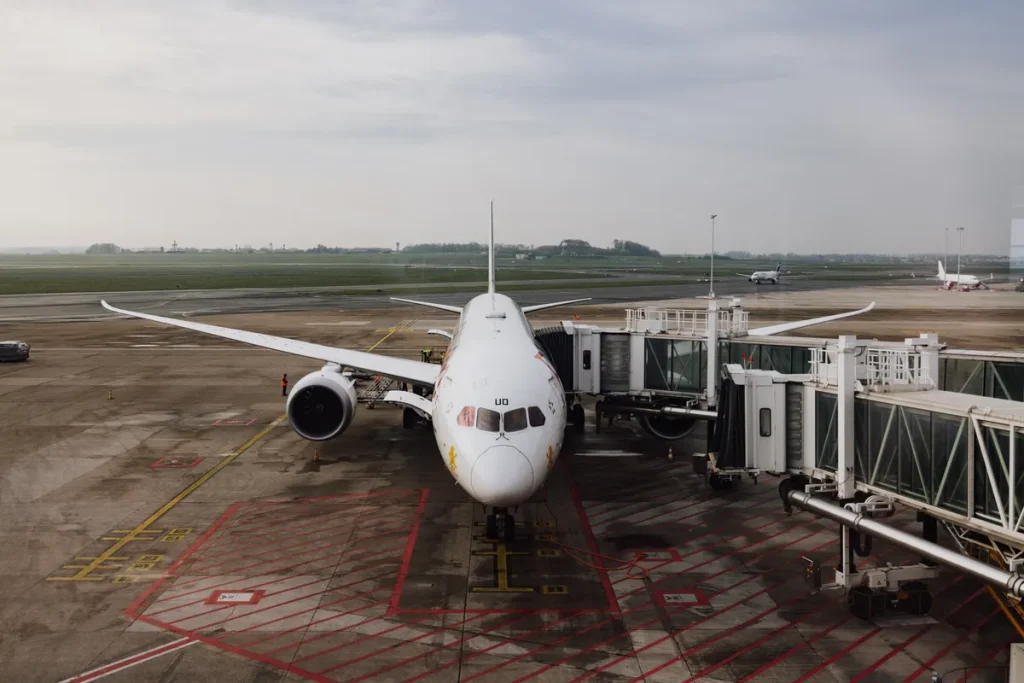

A Gatwick Airport water outage has left passengers unable to wash their hands and closed toilets in the North Terminal, after ITV News Meridian reported restaurants and facilities were shuttered across both terminals on 28 August 2026.
SES Water traced the cause to a burst main in a field in Horley, Surrey. The disruption spread well beyond the airport perimeter: according to Sussex Express, outages were reported across South Horley, Gatwick and Charlwood.
Gatwick Airport Water Outage: A Second Strike in Weeks
This is the second time in less than two months that Britain’s busiest airport after Heathrow has lost running water. The July failure, which the BBC described as ‘unprecedented’ citing a travel expert, was caused by a power failure at a treatment works. That outage knocked out both terminals for several hours.
Passengers on 28 August were quick to make the comparison. Naduni Abeywickrama, travelling from London to Aberdeen, said the delay was ‘extremely frustrating’, adding: ‘No one seems to be making a scene, but I feel frustrated because this is the second time this has happened.’
Natasha Nzekwe, due to fly to Amsterdam from the North Terminal, was blunter: ‘There’s no water at all, you can’t even wash your hands in the toilets. If I were on a long haul flight I think it would be worse, not being able to properly wash your hands is frustrating, and they haven’t given us any information as to what is going on.’
Flights were not affected. The majority of South Terminal toilets remained operational, and North Terminal food outlets stayed open for seating. The inconvenience, though, was real and the optics for SES Water are poor.
SES Water Under Growing Pressure
Anthony Rochester, head of networks at SES Water, said the burst main was ‘temporarily affecting supply including Gatwick Airport’ and that teams were on site to repair the issue ‘as quickly and safely as possible’. ‘We are sorry for the disruption this is causing customers and will continue to provide updates,’ he added.
By 4:40pm on 28 August, SES Water announced it had restored supplies to Gatwick and surrounding areas by re-routing its network, Sussex Express reported. Full normalisation took longer: according to a further Sussex Express report citing the airport, water supplies were not fully back to normal until the morning of Saturday, 29 August.
That recovery arc, stretching beyond a single afternoon, matters. During the July outage, Reuters reported that Gatwick made bottled water available to passengers and staff and put contingency measures in place. The fact that a second major disruption has occurred so quickly suggests those contingency measures address the symptom, not the cause.
The political temperature is rising too. After July’s failure, an MP demanded answers from SES Water over reports that vulnerable residents had been left without support during the outage, the BBC reported. A second incident of comparable scale will make that conversation considerably harder for the utility to manage.
My read is that the core problem here is not bad luck. Two significant supply failures at the same critical infrastructure site within weeks of each other points to something more structural: either the age and fragility of the network serving Gatwick’s corridor, or an insufficient investment programme in mains resilience. SES Water’s apologies have been prompt and its engineers have moved quickly. What passengers and politicians are now entitled to ask is whether rapid repair is a substitute for preventing the burst in the first place.
The regulator, Ofwat, sets the investment framework under which water companies operate. If SES Water cannot demonstrate that its asset management plan adequately protects supply to infrastructure of Gatwick’s scale, a formal review becomes a reasonable expectation, not a political overreaction. The next question is whether Ofwat asks it.
