


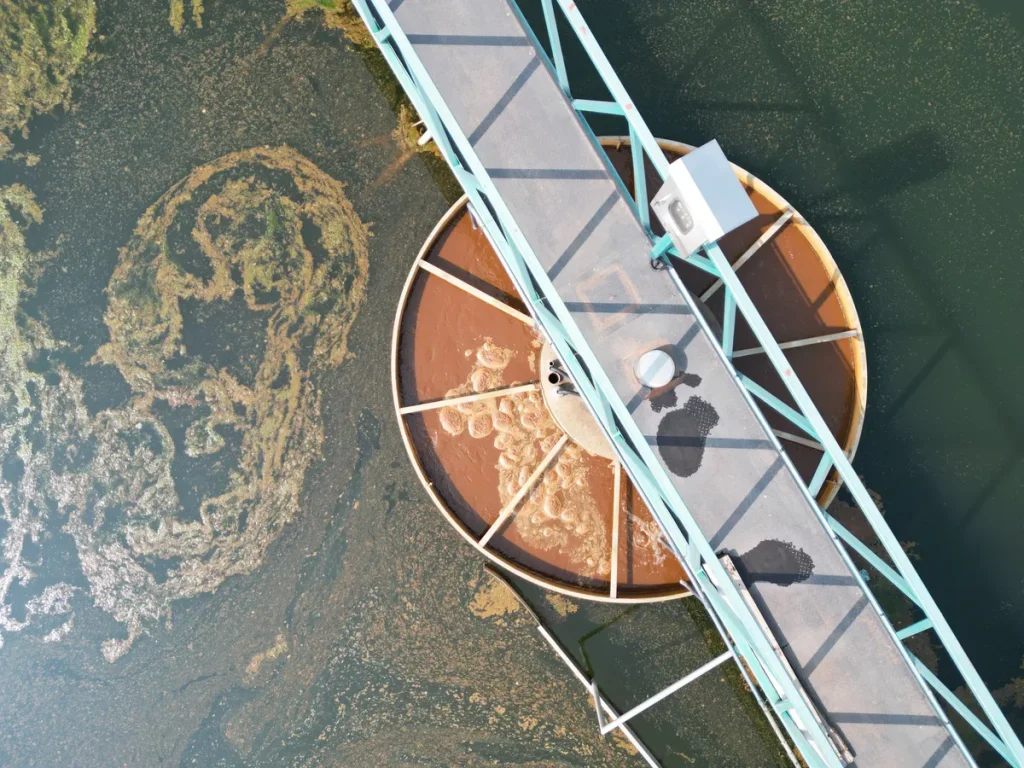

The debate over Thames Water special administration has moved from the fringes to the floor of Westminster, and not before time. A cross-party group of MPs on the Environment, Food and Rural Affairs (Efra) committee has called on ministers to break off negotiations with the consortium of US hedge funds effectively running the company and consider emergency legislation to take control of its finances.
The committee’s chair, Alistair Carmichael, put it plainly: ‘Thames Water’s 16 million customers have largely lost faith in it. They are sick of seeing their waterways polluted, their bills going up, and drinking water gush through broken pavements while supplies run low.’
The Special Administration Question
The legal barrier to a special administration regime (SAR) has been the government’s preferred alibi. Angela Eagle, the environment secretary, has argued that an SAR cannot be triggered under existing law because the hedge fund consortium has kept Thames Water technically operational while renegotiating its liabilities. The Water Minister, in oral evidence to the committee, was explicit: UK Parliament oral evidence records the minister stating, ‘The current situation is that under the current rules and legislation that we have, Thames Water has not met the threshold for going into special administration.’
Carmichael finds that answer inadequate. He said it was ‘unbelievable’ that the SAR for insolvent or failing water companies could not be triggered on performance grounds alone. The committee’s report says the same: Thames Water is ‘failing to meet many of its obligations,’ yet the threshold remains unmet.
The argument that the barrier is legal rather than political grows harder to sustain when you read the full picture. A UK Parliament water sector reform report records that Ofwat chief executive David Black told the committee that the government would likely recover its costs from a special administration, given the value of Thames Water’s underlying assets. Thames Water’s own chairman, Sir Adrian Montague, countered that it would be expensive for the government. Both positions confirm something useful: special administration is a real option, not a legal impossibility.
A Consortium That Wants Relief, Not Responsibility
The London & Valley Water consortium, led by Elliott Investment Management and Silver Point Capital, is seeking relief from environmental fines worth up to £1 billion and requesting leniency on pollution, leakage, and performance targets. The Efra committee is right to call this out. A group of distressed-debt specialists demanding regulatory concessions before they commit to running a public utility is not a turnaround plan. It is a negotiating position dressed up as one.
According to Reuters, Silver Point Capital and Elliott Management are formulating a rescue package worth more than £10 billion, which would include an equity injection of between £3 billion and £4 billion and a multi-billion-pound haircut for senior creditors, on top of reductions already expected for junior bondholders and around £3 billion in holding company debt. The consortium has also outlined plans for £20.5 billion of investment within Ofwat’s final determination, including £9.4 billion on sewage and water assets over five years, a 45% increase on current levels, according to Yahoo Finance.
These are large numbers. The consortium’s spokesperson argues the plan will write off billions in debt, bring in £10 billion of new capital, and cost taxpayers nothing. The figures are not trivial. But the Efra committee’s concern is not about the arithmetic. It is about who is holding the pen.
The consortium is, in Carmichael’s words, ‘an opaque consortium of 100 hedge funds and others’ that has been ‘reaping millions in debt interest and fees’ while dragging out negotiations. A High Court-approved loan of up to £3 billion has kept Thames Water running until the summer of 2026, after which the creditors effectively became its bondholders. That arrangement has bought time. It has not bought accountability.
KKR had already walked away from its own rescue attempt before Silver Point and Elliott stepped forward, Yahoo Finance reports. The revolving door of potential rescuers is not evidence that the private market can solve this. It is evidence that Thames Water, with its £20 billion in debt, is testing the limits of what private capital will absorb without extracting something in return.
Elliott, for its part, is registered as a Delaware limited partnership and SEC-registered investment adviser, according to an SEC Schedule 13D/A filing. Its co-chief executive, Paul Singer, is a prolific donor to Republican causes. Expecting such a firm to subordinate returns to sewage targets is not cynicism. It is reading the business model correctly.
Carmichael’s conclusion is the right one: ‘Liabilities that the government will face in the short term may be offset by a future sale of Thames Water once a new buyer can be found.’ The question is whether ministers will accept that logic before the money runs out in summer 2026, or wait for events to force their hand.
