



Contributed content: this article was written by a third-party contributor and does not necessarily reflect the views of Columnist24. Editorial and Advertising Policy
Similar in spirit to a ‘baby on board’ badge, it can be worn on public transport and elsewhere, as one in five owners admit feeling “judged” when out with their ageing pet
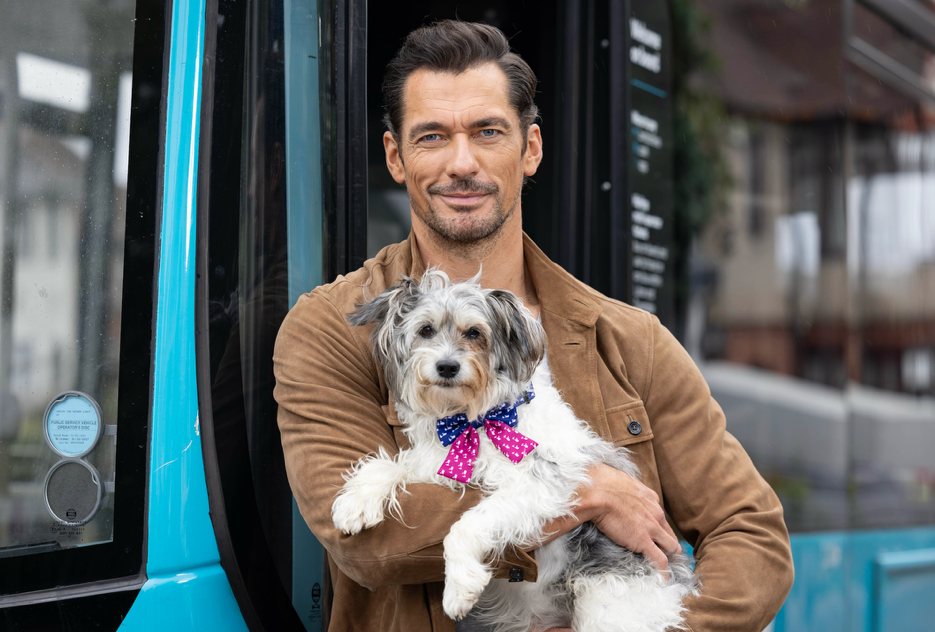
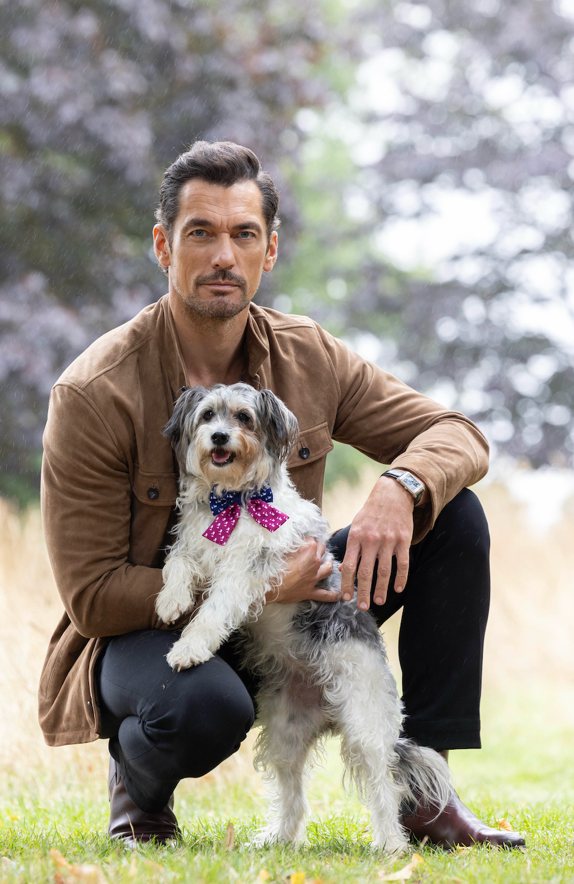
Model and founder of David Gandy Wellwear, David Gandy, has joined forces with pet insurance brand Petgevity to design a bow tie for senior dogs to wear as a visible signal that they require additional space, patience and consideration when out in public spaces.
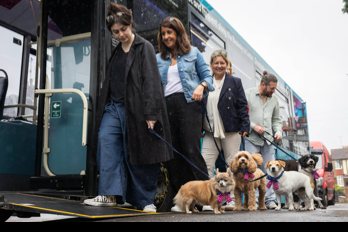
Much like a ‘baby on board’ badge prompts consideration for others, the bow tie invites people to give senior dogs a little more room, particularly in busy environments such as public transport. Research shows that more than a third (36%) of owners actively avoid bringing their older dog onto public transport, citing worries that the experience will prove “too difficult or stressful” for their pet. The new survey identified the most common reasons as being “too crowded” (56%), “too loud” (34%), and a lack of comfortable space for the animal to settle (25%).
As the years pass, walks inevitably become shorter and slower, with 19% of owners identifying a reduced walking pace as the earliest visible sign that their dog was ageing. Gradually, the dog’s world becomes smaller.
Adding to this challenge, roughly one in five owners (18%) say they feel judged when they are out in public with an older dog. Close to a quarter (22%) worry that bystanders mistake their pet’s age-related behaviour for poor training or bad manners.
David, who took on his mixed terrier Dora at nine weeks old back in 2017, said: “Dora carries herself like a young dog, but I’m very aware of what she might need as the years continue. I’m sure there are owners of senior dogs right across the UK who share that same feeling.
“As dogs age, their eyesight and hearing can deteriorate, and they simply need a bit more time, space and support.
“My hope is that having these bow ties out and about will encourage people to show the same understanding towards age-related changes in dogs as they would towards humans experiencing the same.”
Vet Dr Emma Chandley, who works with Petgevity, explores three health conditions that commonly emerge in older dogs yet often go undetected, leaving animals exposed and vulnerable in public settings:
“Vision loss is frequently missed because dogs draw on their senses of smell and hearing to compensate. It makes judging distances and step heights harder, causing them to hesitate or proceed with great caution. Dogs with reduced sight need room around them, and unexpected contact or sudden approaches should be avoided.”
“Arthritis is one of the most widespread conditions in older dogs. Canine Arthritis Management (CAM) estimates it affects around 35% of the overall dog population, climbing to approximately 80% among dogs aged over eight. Rising from rest, keeping balance on a moving bus or train, and managing steps are all genuinely difficult for arthritic dogs, so please allow them more time regardless of how pressed you are.”
“Canine dementia can begin to develop from as early as six to eight years of age. Public transport confronts dogs with an overwhelming variety of sounds, smells and motion. Dogs may find it hard to process all of this and grow unsettled. This should not be dismissed as awkward or irritating behaviour. Loud phone conversations nearby can cause real distress, so please be mindful.”
Wider data reveals that half (51%) of dogs in the UK develop a lifelong health condition before the age of four, according to figures from Petgevity. Yet many owners remain unaware of this. Nearly two in five (37%) of the more than 1,000 people surveyed had, at some point, confused signs of ageing with bad behaviour, most frequently interpreting grumpiness (50%) as misbehaviour rather than a health signal. Dr Emma notes this is “worth seeing a vet for.”
Despite these challenges, the bond owners feel with their senior dogs is clearly profound. One in five (20%) say they actually feel more love for their dog in later life than they did during puppyhood. Many go to considerable lengths to demonstrate it: nearly a third (30%) have redirected money earmarked for other purposes to cover their older dog’s care costs, and more than one in five (21%) have modified their homes with ramps or orthopaedic bedding to keep their pets comfortable. A similar proportion (18%) have cancelled or delayed a holiday entirely in order to stay close to their dog.
The bow tie, which comes with a matching collar, is intended to send a clear message to the public to make room for and show compassion towards senior dogs. The aim is to frame older dogs as distinguished rather than doddery, pushing back against any negative assumptions about their behaviour. Bus operator Arriva has also confirmed that its drivers have “committed to supporting owners and their senior dogs on routes in whichever way they can.”
Kerry Willecome, Head of Marketing at Petgevity, said: “We are genuinely delighted to have collaborated with David on this limited-edition bow tie and to shine a light on what senior dogs actually need. These animals give us so much, often quietly adjusting their behaviour in response to age-related health changes they cannot communicate. This bow tie, with its distinctive pattern, speaks on their behalf and helps secure the respect they deserve wherever life takes them.”
For the chance to claim a FREE limited-edition bow tie and collar created in collaboration with David Gandy, head to the Petgevity website. Available in four sizes (XS, S, M and L) while stocks last.
