


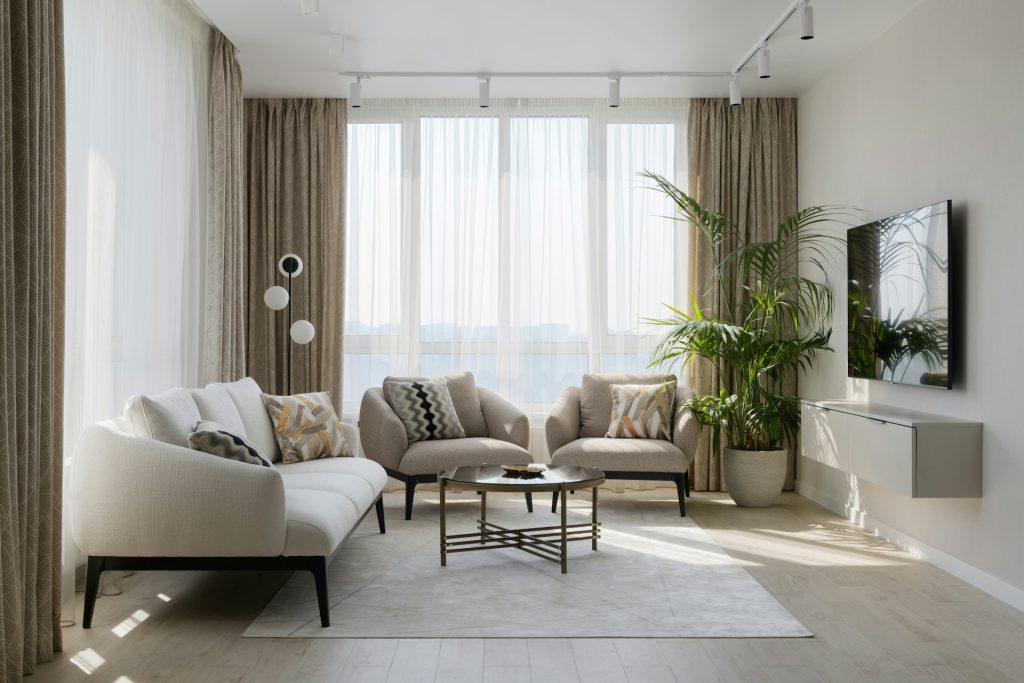

Interior design is often dismissed as something only the wealthy care about—a frivolous exercise in choosing paint colours and arranging expensive furniture. But as we move through 2026, it’s clear that something deeper is happening. Our surroundings are not just a backdrop to our lives; they form the foundations of our psychological well-being.
Thoughtful interior design is no longer a nice-to-have or a finishing touch. It has become a non-negotiable part of modern healthcare, self-care, and even how we think about our impact on the environment.
Beyond Aesthetics: The Science of Habitat
The idea of “home” has changed dramatically. In an age of constant notifications, digital noise, and 24/7 connectivity, our physical spaces need to do the opposite: ground us, slow us down, and help us reset. A poorly designed room—with harsh lighting, awkward layouts, or stagnant energy—creates a low-level friction that quietly wears down our mental reserves. The opposite is also true: a carefully considered space doesn’t just look good; it actively restores us.
When we invest in the infrastructure of our homes, we’re really investing in specific human benefits:
- Neurological Calm: The deliberate use of tactile, natural materials and balanced colour palettes can help lower physiological stress almost immediately.
- Intelligent Ergonomics: When design takes human movement and comfort seriously, it creates an almost frictionless way of living, where your home seems to anticipate your routines and needs.
- Sensory Grounding: In a world we mostly experience through glass screens, the textures, shadows, sounds, and acoustic warmth of a well-designed room bring us back into our bodies and into the present moment.
The Luxury of Identity in a Templated World
If the structure of a space provides the bones, personality provides the soul. The era of the sterile, copy-and-paste luxury showroom is fading. In 2026, true sophistication lies in individuality. A home that doesn’t carry the clear imprint of its owner’s identity can feel less like a sanctuary and more like a beautifully finished hotel room—impressive, but emotionally distant.
Bringing real character into a space means stepping away from fleeting trends and focusing instead on thoughtful curation. It’s about understanding how to mix inherited or vintage pieces with contemporary design and craft so that your home tells an ongoing, personal story rather than imitating a catalogue page.
This is exactly the ethos behind Wild LouLou, a premier design consultancy and curated interior design marketplace with a presence in London, New York, and Dubai. Rather than forcing a single, recognisable “house style” onto every project, Wild LouLou acts as a matchmaker—connecting homeowners with independent designers who know how to turn personal identity into a tangible, lived-in space.
“True luxury in 2026 is entirely psychological,” says Louisa, Founder of Wild LouLou. “It’s the feeling of walking into a room that seems to understand you completely. Our consultation process is designed to go beyond surface-level preferences and Pinterest boards. We focus on how you actually want to live. Then we connect you with the independent designers who can take those subtle personal details and shape them into a space that works beautifully, day after day.”
Designing for the Future
Looking ahead, the message is simple: we need to treat our interiors with the same seriousness we give to our nutrition, sleep, and mental health.
Elevating your environment is not about showing off; it’s about honouring your need for a genuine sanctuary. When you prioritise quality materials, skilled craftsmanship, and personal storytelling, you’re no longer just decorating. You’re turning a property into a living habitat that actively supports the way you think, feel, and grow.