


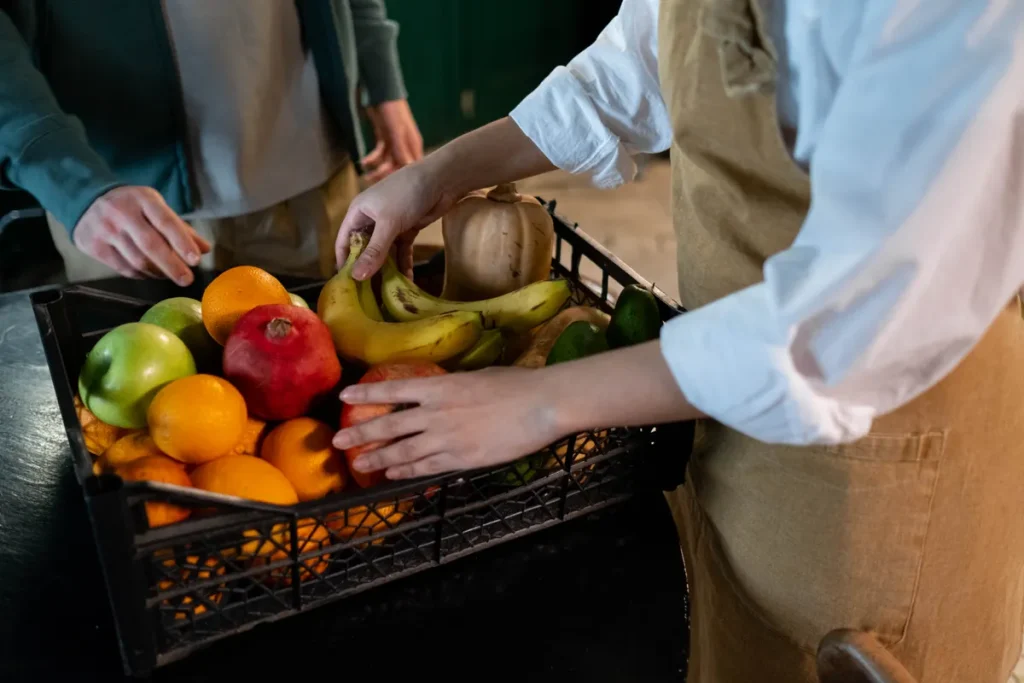

The Silverstone food waste rescue effort by two Northamptonshire community larders has diverted 34 tonnes of uneaten food from the British Grand Prix into the hands of roughly 3,000 people, after volunteers clocked more than 1,000 hours of service across a single week.
Around 50 helpers from the Roade and Towcester Community Larders drove back and forth from the racetrack, collecting surplus eggs, milk, fruit, vegetables, bread, bacon, butter and more before distributing them through a series of pop-up shops across the area.
From 27 tonnes to 34: how the numbers kept climbing
The scale grew daily. By Monday of collection week, volunteers had already processed 12 tonnes. According to Hits Radio Northamptonshire, the interim figure had reached 27 tonnes before the final confirmed total of 34 tonnes was announced. By Wednesday alone, the running count stood at 18 tonnes.
Attendance at the pop-up shops broke records too. Katie Steele, from the Towcester group, said that on the Monday 450 people turned up to the first pop-up sale. ‘When normally it would be about 350,’ she said.
Teams back at base weighed and sorted each collection before the shops opened. On Monday night, volunteers worked until midnight to ensure everyone present could be served. Steele said the team was ‘literally on their knees’ and had to put their feet in ice blocks to cool down during the heatwave.
Open to all, not just members
The Towcester Community Larder normally runs a membership programme giving access to surplus chilled, frozen, and store-cupboard groceries at discounted rates. For the Silverstone haul, that model was set aside entirely.
‘When there is so much food, it’s really important to open it up to the wider network, else we’d end up with a lot of waste,’ Steele said. The decision to go open-access was, by her account, straightforward.
TowFood and its partner larder in Roade are not simply handling leftovers in the conventional sense. Steele explained that unused goods from the Formula 1 event cannot be taken away by the organisers, so they are left behind. The larders step in before the skips do.
The rescued items were not all edible. Among the week’s more unusual acquisitions: disposable plates, cling film, toilet rolls, and one carpet, donated to a family who had none upstairs. ‘It’s been a really random but great year,’ Steele said.
She credited the outcome entirely to the volunteers. ‘They never complained about how many hours they gave,’ she said. ‘We have an absolutely amazing team, working during a heatwave.’
The collections were only made possible, in her words, by ‘absolutely amazing teamwork.’ They ended on Friday.
Silverstone’s wider sustainability context
Silverstone’s sustainability report states that the circuit delivered a social and environmental impact of £194 million and an economic impact on surrounding activity of £168 million. The food rescue operation sits inside that broader picture, though its mechanics depend entirely on volunteers rather than the circuit’s own infrastructure.
Silverstone hosts the British Grand Prix each July, generating the kind of catering surplus that exceeds what any one organisation can absorb alone. The larder network has now spent at least three consecutive years building the logistics to absorb it.
Whether next year’s total clears 34 tonnes will depend on the same thing as this year: how many people are willing to work until midnight and stand in ice water to make sure none of it goes to waste.
