



The London poverty premium costs low-income households across the capital a combined £368 million a year, according to Trust for London’s funding page on Fair By Design, with families in the worst-affected parts of the city paying over £600 more annually than wealthier neighbours for identical goods and services.
The figure comes from new research by Fair By Design, funded by Trust for London, which focused on Peckham as a case study. It found affected families there pay an average of £493 more each year, driven not by extravagance but by structural market failures that punish people for being poor.
Why the London Poverty Premium Keeps Growing
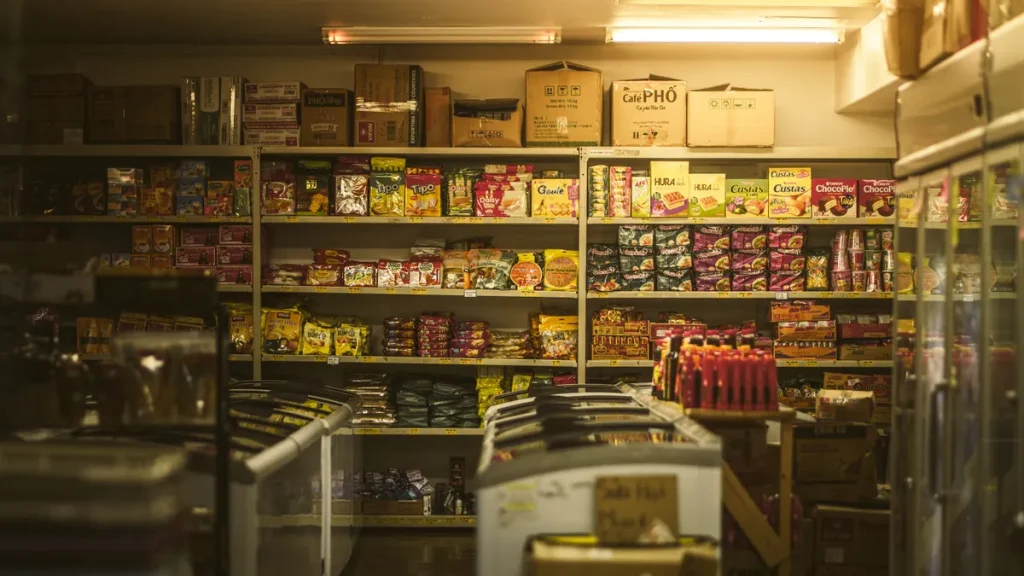
The single largest driver is food shopping. According to the report, 39% of low-income families are forced to rely on local convenience stores rather than larger supermarkets with more competitive pricing. When a Tesco or Sainsbury’s is not accessible by foot or cheap public transport, the corner shop becomes the default, and the corner shop charges more.
Energy and insurance compound the problem. Prepayment meter users pay £129 more a year than those on competitive fixed direct debit tariffs, even as regulators work to close the gap. The Retail Energy Code body has been developing systems to equalise billing between prepayment and direct debit customers since a statutory consultation opened in November 2023, according to the Retail Energy Code. Ofgem aligned the unit rate for both meter types at 24.5p/kWh from January 2025, but direct debit customers remain cheaper overall in practice because of other standing charges, per data from UK Electricity Prices.
Drivers in deprived postcodes face an average of £153 extra on motor insurance annually. That is a lower figure than a previous Fair By Design study found: research published by the Barrow Cadbury Trust based on 1,000 low-income households found some people were paying nearly £300 more for car insurance because of their postcode. That earlier study, which was separate from the current Peckham research, put the total poverty premium for those households at £478 for essentials including energy, credit and insurance.
Nationally, the picture is bleaker still. Fair By Design’s news and publications page references research showing a £736 poverty premium adding to the cost of living crisis for low-income households across the country, a figure higher than the London-specific average, and a reminder that this is not a London-only problem dressed up as one.
The Political Argument Around London’s Poorest Households
Manny Hothi, chief executive of Trust for London, called for regulators to account for the effect their markets have on people in poverty. He said it was vital to ‘end the unfairness of people having to pay more because they pay monthly or don’t sign up to direct debit.’
At a free cafe in Peckham run by the charity Pecan, visitor Josiah Lahai said he goes to the supermarket ‘and there are certain things I want but I can’t buy them.’ Doreen Davies, community engagement officer at Pecan, said soaring local rents are forcing some families to abandon their established networks and move ‘as far as up north’.
Labour MP for Peckham Miatta Fahnbulleh pointed to a £150 energy bill reduction and a £39bn investment in social and affordable housing as evidence of progress. A government spokesperson cited a £1bn crisis and resilience fund, which included nearly £150m for London’s local authorities, and said household incomes have risen 5% in real terms while food bank usage and food insecurity have both fallen. The removal of the two-child benefits limit was also highlighted, a policy affecting approximately 240,000 children in 65,000 London households.
Conservative MP Julia Lopez was unconvinced, arguing that energy bills had risen and pointing to an 84% fall in housing starts under Mayor Sadiq Khan.
The political back-and-forth is, in one sense, beside the point. A system that charges people more for being poor, not because they consume differently by choice, but because they lack the credit scores, the bank accounts, and the supermarkets that wealthier consumers take for granted, is a market design problem. Regulators have the tools. The statutory consultation on prepayment meter levelisation has already opened. What happens when it closes will say more about political will than any parliamentary exchange.
