


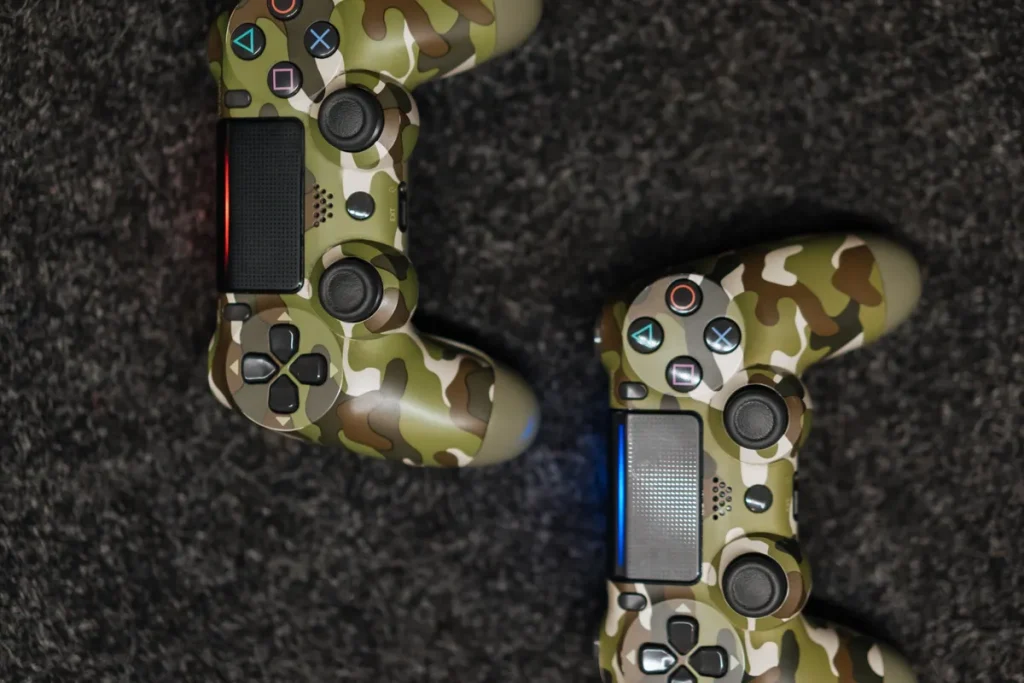

The Electronic Arts $55bn takeover closed on 4 August 2026, with the gaming giant officially passing into private hands under a consortium of Saudi Arabia’s Public Investment Fund (PIF), private equity firm Silver Lake, and Jared Kushner’s Affinity Partners. EA filed a certificate of merger with the Secretary of State of Delaware the same day and now survives as a wholly owned subsidiary of the acquiring parent entity.
Shareholders received $210 per share in cash, a 25% premium to the unaffected share price at the time the deal was announced in September 2025. EA’s stock has ceased trading and will be delisted from Nasdaq following the close. Stockholders had approved the merger at a special meeting on 22 December 2025.
EA’s own press release describes this as the largest all-cash sponsor take-private investment in history. That claim is worth sitting with. Not just the biggest gaming deal; the biggest of its kind, full stop.
A Debt Load That Will Define the Business
The structure of the deal is where the real story lives. PIF has committed $36bn in equity, but the consortium still needed to borrow $20bn from JPMorgan to close the transaction, with EA itself taking on that debt. The business that emerges from this deal is carrying a significant liability, and how management services that liability will shape everything from studio headcount to what games get greenlit.
Michael Futter, founder of F-Squared, told CNBC that the debt burden will likely see EA consolidate around its safest franchises, such as The Sims, Battlefield, and sports titles, rather than experiment with new intellectual property. He added: ‘The debt hanging over their head isn’t likely to create a shift in strategy.’ That is a more precise observation than it first appears. EA will not suddenly become reckless. It will become conservative, which for a company with one of the broadest gaming catalogues in the industry may amount to the same thing.
Bloomberg’s Jason Schreier had already surmised the deal could lead to ‘mass layoffs, more aggressive monetization, and other big cost-cutting measures.’ Christopher Dring, editor-in-chief and co-founder of the Game Business, said the nature of the buyout was also likely to mean ‘a very hands-on approach from the investment group.’ ‘Private equity firms are typically aggressive in their management of companies,’ he said.
In connection with the closing, the parent conducted cash tender offers for EA’s 1.850% notes due 2031 and 2.950% notes due 2051. According to the EA Form 8-K filed at closing, $68.830 million of the 2031 notes and $7.922 million of the 2051 notes were tendered; the remaining $681.170 million and $742.078 million respectively were defeased using US government obligations. The mechanics are arcane, but they confirm that legacy bond obligations have been addressed, leaving the $20bn acquisition debt as the operative financial pressure on the business going forward.
Electronic Arts $55bn Takeover and the Soft Power Calculus
The financial engineering matters, but it is not the whole story. Turqi Alnowaiser, PIF’s head of international investments, stated at the deal’s announcement that ‘entertainment and sports are key areas of strategic focus’ for the fund. That framing is deliberate.
PIF already owns Newcastle United, has acquired four clubs in the Saudi Pro League, and bankrolled the Esports World Cup in Riyadh in 2025. George Osborn, author of Power Play: Video Games, Politics and the Battle for Global Influence, put it plainly: owning EA hands the fund a relationship with 20,000 players, 750 clubs, and 35 leagues at the top of professional football. The EA FC franchise, formerly FIFA, is the connective tissue between that gaming relationship and a broader sporting influence play.
PIF, which manages a fund of approximately £514bn, is controlled by Crown Prince Mohammed bin Salman. His government has faced sustained accusations of human rights violations, and Saudi Arabia has faced persistent criticism of sportswashing. The acquisition of EA, a company whose franchises like The Sims have actively championed LGBT+ representation, has already drawn protests. The advocacy group Players Alliance HQ has called on gamers to petition politicians against the deal. In Saudi Arabia, consensual same-sex conduct can be punishable by death under interpretations of Sharia law.
EA posted GAAP net revenue of approximately $7.5 billion in fiscal year 2025, and Battlefield 6 sold over 7 million copies in its first three days after its October release. The commercial fundamentals are solid. The deal ranks second only to Microsoft’s $69bn purchase of Activision Blizzard in the history of gaming acquisitions.
CEO Andrew Wilson will retain his position. Whether he retains meaningful creative autonomy is the question that will define EA’s next decade.
