



The US inflation rate in July slipped to 3.4% on an annual basis, offering a measure of relief after May’s three-year high of 4.2%, but prices remain stubbornly above pre-war levels and the Federal Reserve’s path forward is no clearer for it.
According to the Bureau of Labor Statistics, the Consumer Price Index for Urban Consumers rose 0.1% on a seasonally adjusted month-over-month basis in July, after falling 0.4% in June during a brief US-Iran ceasefire. The rebound confirms what most observers suspected: the June dip was a truce dividend, not a trend.
Core inflation, which strips out volatile food and energy prices, rose 2.5% year-over-year and 0.2% month-on-month. Services including shelter, transportation, and medical care each climbed around 3% compared with last year. Grocery prices fell slightly, with lettuce down 16% over the past year amid continued fallout from the cyclosporiasis outbreak.
Energy Prices: Down From the Peak, Still Above Pre-War Levels
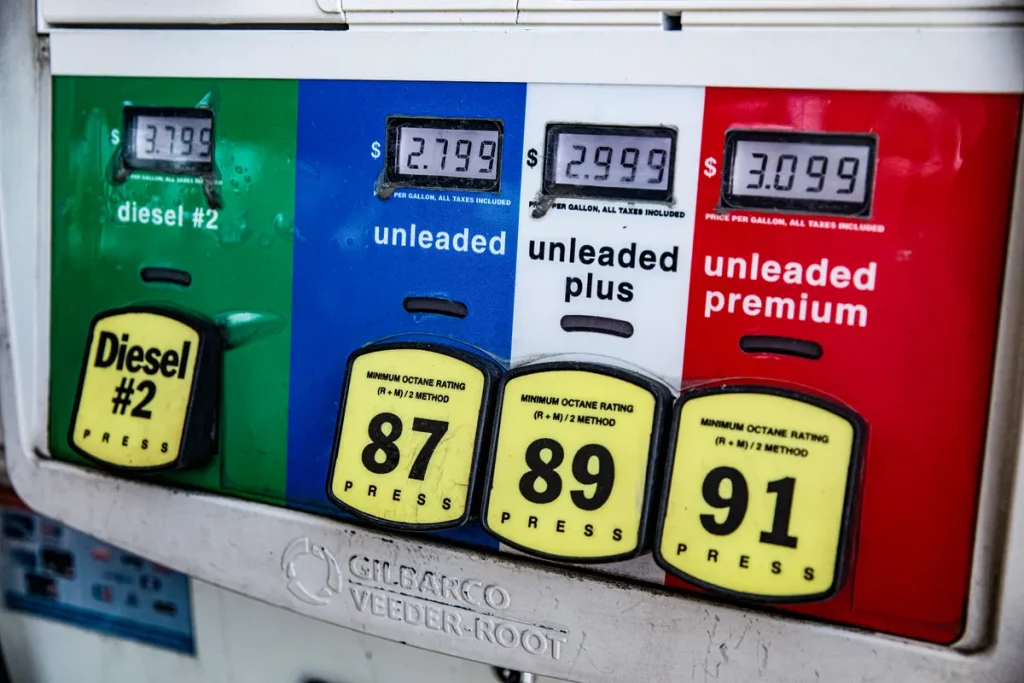
Gasoline is the clearest lens through which most Americans are experiencing this inflation cycle, and the picture remains uncomfortable. The national pump average hit $4.56 per gallon on 21 May 2026, according to AAA, before retreating during the ceasefire period. By 25 June, with diplomacy briefly functioning, the average had dropped to $3.91 per gallon as prices fell for five consecutive weeks.
That relief evaporated when the peace deal collapsed. During the week of 23 July, crude oil surged into the $90 per barrel range, driven by renewed instability along the Strait of Hormuz, and the national gas average jumped 15 cents in a single week to $4.09, per AAA’s fuel price reporting. By 30 July, crude had retreated to the $80 per barrel range, according to AAA, but pump prices have not followed proportionally. The current average of $4 per gallon is still more than $0.85 above where it stood a year ago.
The BLS reports gasoline fell nearly 3% month-on-month in July. The snippet’s figure of roughly 15% above year-ago levels should be read alongside the BLS detailed table, which shows a 26.7% year-over-year figure for gasoline (all types), a discrepancy that likely reflects different reference periods in the two datasets. The directional story is the same either way: pump prices are meaningfully higher than before the conflict began.
Negotiations to reopen the Strait of Hormuz, through which a fifth of the world’s oil passes, have reached an impasse. Donald Trump has insisted Iran must compensate for American military deaths and Iranian civilian casualties before any deal is reached. Iran’s leadership shows no sign of accepting those terms.
What the US Inflation Rate in July Tells the Fed
The US inflation rate in July, combined with a deteriorating jobs picture, puts the Federal Reserve in an uncomfortable position. American employers shed 23,000 jobs in July, a figure that was itself preceded by downward revisions to May and June payrolls totalling 103,000. Real wages for hourly workers fell 0.2% after adjusting for inflation.
At its July meeting, the Fed voted 9-3 to hold its benchmark rate in a target range of 3.5% to 3.75%, according to CNBC’s recap of the meeting. That three-way dissent was the most seen since September 2016, per CNBC, with regional bank presidents Beth Hammack of Cleveland, Neel Kashkari of Minneapolis, and Lorie Logan of Dallas all voting for a rate hike.
Chair Kevin Warsh has signalled he won’t be stampeded by a single monthly report. He has said interest rates could be part of the solution but would not be used ‘in isolation.’ My read is that Warsh is trying to hold together a fractious committee while keeping optionality in a genuinely difficult macro environment: inflation still above target, employment weakening, and an oil-price variable that is entirely geopolitical in origin and therefore immune to rate policy.
Logan, one of the three dissenters, was direct in her assessment. ‘More than five years after the post-pandemic surge, prices have continued to rise too rapidly,’ she said after the vote. ‘Every month of above-target inflation compounds the strain on the budgets of American families and businesses.’
The Fed next meets in September. Another round of inflation and employment data will land before then. If the Hormuz impasse holds and crude stays elevated, that September reading may be harder to dismiss than July’s modest 0.1% monthly uptick, and the three dissenters will have a stronger case to make.
