


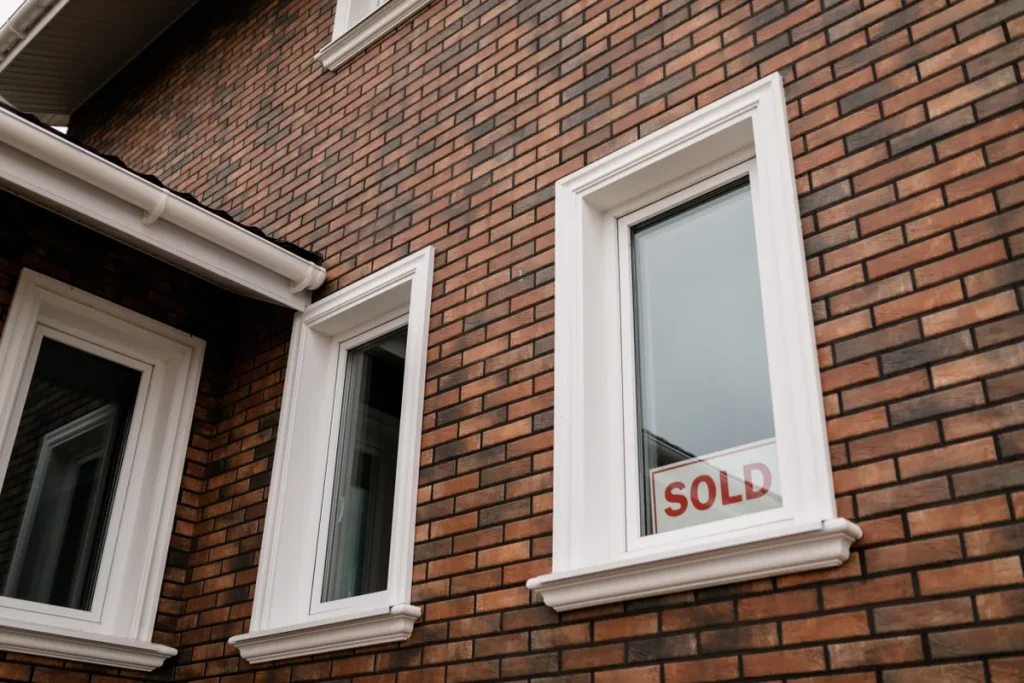

The UK property market slowdown is proving stubborn: three in five homes listed for sale since January remain on the market, according to Zoopla, as elevated mortgage rates keep buyers on the sidelines long after the spring selling season should have gathered pace.
Agreed sales are running 7% below last year’s levels, with Wales down 12% and the East Midlands down 11%. Buyer demand across the UK has dropped 15% compared with a year earlier, according to Zoopla’s report covering the market to the end of May. The average UK house price stood at £268,250 in April 2025, a rise of 1.6% over the prior year per Zoopla’s House Price Index for May 2025, but price growth has done precious little to encourage transactions.
The trigger was sharp. The average two-year fixed rate climbed from 4.83% at the start of March to a peak of 5.90% on 12 April, according to Moneyfacts Group, before retreating to 5.54%. Moneyfacts described the period as ‘some of the most turbulent in the UK mortgage market since the aftermath of the September 2022 mini-Budget,’ with the two-year average breaking above 5% for the first time since August 2025 on 11 March, reaching 5.01%.
Inside the UK Property Market Slowdown: Where the Pain Falls
At its peak, the rate spike added an average of £125 a month to a typical mortgage compared with January. In London the figure reached £232 a month for the average first-time buyer. In the north east of England, by contrast, the same period added only £66 a month, a consequence of lower property values and smaller loan sizes.
The pattern of what goes unsold tells its own story. Two-thirds of one and two-bedroom flats listed this year remain unsold. Larger homes have fared better: two and three-bedroom properties have seen little change in their selling pace, Zoopla says. First-time buyers, most exposed to high loan-to-value mortgages, have retreated from the entry-level flat market more readily than families trading up.
‘The national picture can only tell you so much,’ said Richard Donnell, executive director at Zoopla. ‘For sellers still waiting for an offer, the conversation to have is about price. Correctly priced homes are selling, while overpriced homes are sitting.’ He added that conditions are shifting: ‘For buyers, rates are falling, there is more choice of homes for sale than a year ago and motivated sellers are willing to negotiate. If you are ready to move, conditions are more favourable than they were three months ago.’
Supply Is Up, but Demand Has Not Followed
There are 13% more homes on the market than at the same time last year, according to Zoopla’s May 2025 House Price Index as reported by the Mortgage Finance Gazette. Lenders are beginning to compete more aggressively: the total number of residential mortgage products stood at 7,164 in mid-March per Moneyfacts, and rates have continued to ease from their April peak, with the Mortgage Finance Gazette reporting an average two-year rate of 5.81% as of late April, down from the 5.90% high.
The UK property market slowdown has drawn conflicting readings from official data. An earlier Bank of England statement characterised May mortgage approvals as a two-and-a-half year low. The Bank of England’s Money and Credit release for June 2025 records approvals at 63,000 in May, describing that as the first increase since December 2024, with gross mortgage lending rising to £20.4 billion from £16.9 billion in April. The June release is the Bank’s own primary document; it presents a more encouraging picture than the earlier characterisation.
From the ground, agents describe a market of attrition rather than collapse. ‘Sales are taking much longer and it is proving increasingly difficult to generate commitment,’ said Jeremy Leaf, an estate agent in north London. ‘However, the overwhelming majority of sales which have been agreed are proceeding, although inevitably more slowly.’
Lucian Cook, head of residential research at Savills, argued that mortgage rates are only one layer of the problem. Economic uncertainty, regulatory reform in the private rented sector pushing more landlord stock to market, and tax concerns at the top end are all pressing simultaneously, he told the BBC’s Today programme. The UK property market slowdown, in Cook’s reading, reflects a confluence of pressures rather than a single lever gone wrong.
The two-year fixed rate now sits at 5.54%. Summer is the housing market’s last reliable window before autumn. Whether rates fall far enough, fast enough, to shift the 60% of listed stock still waiting for a buyer is the question sellers priced optimistically cannot afford to wait too long to answer.
