


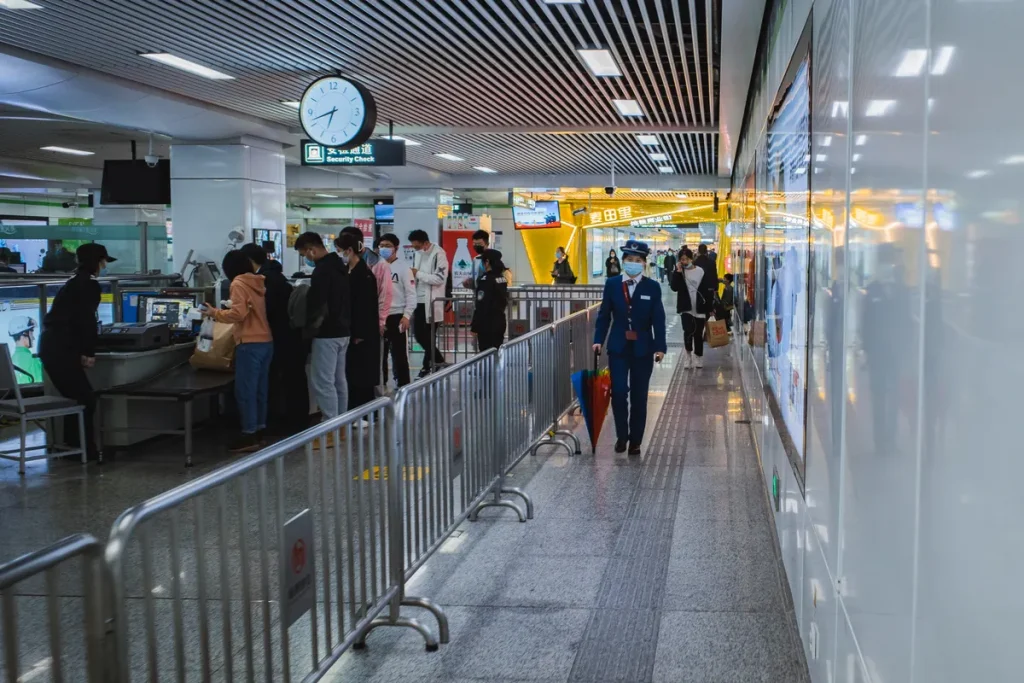

The Aberdeen Airport security strike that threatened to disrupt passengers across 14 separate days this summer was called off late on Friday after contractor ICTS HBS Security made what Unite the Union described as an enhanced pay offer sufficient to suspend action.
It is, on one reading, a tidy resolution. On another, it is a portrait of how far a dispute can travel before anyone picks up the phone in earnest.
How the Aberdeen Airport security strike almost happened
Unite members had voted unanimously to walk out, with action scheduled across 14 days running from 6 July through to 1 August, according to Travel Weekly. The dates were not chosen at random: spread across alternating days, they were calibrated to maximise disruption through the peak holiday season.
The workers involved are baggage screening staff employed by ICTS, and Unite says they make up the majority of the screening team at the airport. A walkout, even a partial one, would have been felt.
Attempts to find a settlement through the conciliation service Acas failed to produce a breakthrough, according to the BBC, leaving the union with little choice but to proceed. Unite’s industrial officer Paula Buchan had been blunt: ‘ICTS would rather cause massive disruption at the airport than positively work with Unite to resolve this dispute.’
ICTS, for its part, insisted it remained ‘in active pay discussions’ and was confident that ‘hold baggage operations will remain unaffected.’ Aberdeen Airport said robust contingency measures were in place and expected no passenger impact. Both positions proved unnecessary to test.
A pattern Unite knows well at this airport
What makes this episode worth examining is not just the late deal but the context around it. This is the third pay dispute at Aberdeen Airport involving ICTS to be resolved in short order. Unite confirmed that a separate dispute involving around 70 workers employed by ICTS at the airport was settled ahead of the baggage screening row. ICTS central search staff had their dispute resolved too.
Three disputes at the same airport, the same employer, in the same summer. At some point that stops looking like a coincidence and starts looking like a management approach.
Unite’s general secretary Sharon Graham said: ‘ICTS is a very profitable company that can easily afford to give our members a decent pay increase. It has been caught red-handed putting profits before people.’ Whether or not one accepts the framing, the sequence of events does lend it a certain force.
The wider Scottish picture is consistent. Summer strikes at Glasgow and Edinburgh airports were also averted this year after fresh pay deals were struck. The pattern across Scotland’s main airports in 2026 has been the same: a mandate, a standoff, a last-minute settlement. Passengers have, so far, been spared the consequences. The BBC reported that ICTS confirmed on Friday evening that an agreement had been reached and the proposed industrial action had been cancelled.
The question worth asking is whether last-minute settlements are a sign that the system is working or a sign that it is only just working. Acas talks failed. The employer held its position until the eve of action. The union had already secured unanimous backing. A deal only materialised when the cost of not dealing became impossible to ignore.
ICTS has not disclosed the terms of the enhanced offer, and Unite has not published them. Whether the eventual figure was meaningfully different from what was on the table before Acas talks collapsed is something neither side has chosen to say.
If the same employer faces a fourth dispute at the same site before Christmas, the answer will probably become clearer.
