


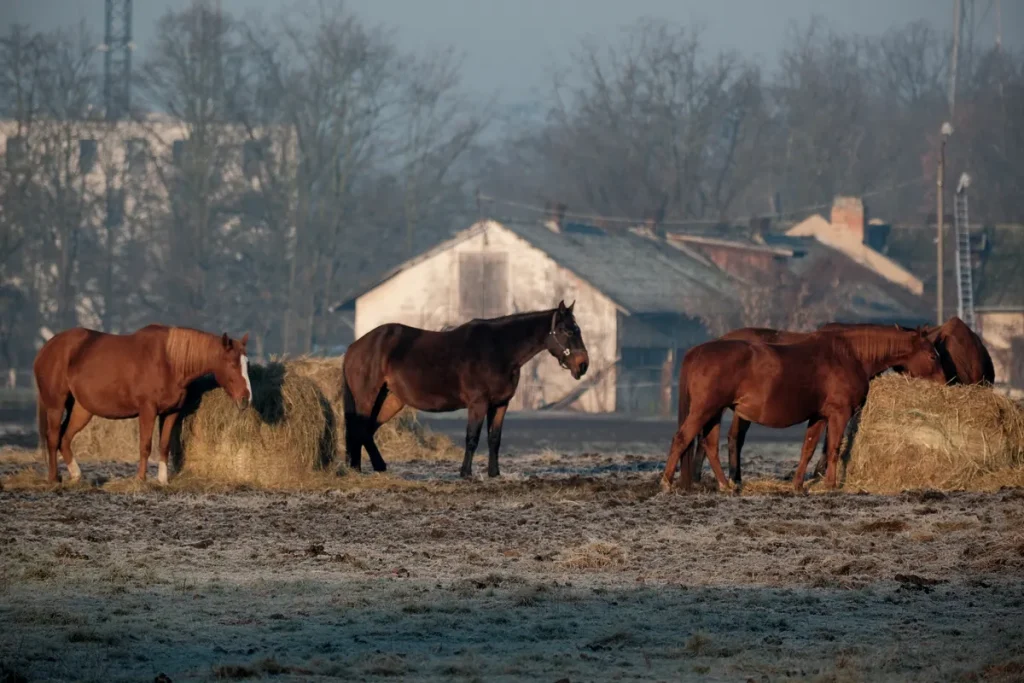

The horse livery costs crisis is forcing owners across the UK to make an impossible choice: pay bills they can no longer afford, or put healthy animals down. At Padwick Farm in Leek, Staffordshire, that pressure has a human face.
Fiona and Ian Long care for more than 70 horses at the farm. They say livery bookings have grown 60% over the past five years, driven almost entirely by owners who cannot afford mainstream stabling.
‘We’ve experienced someone struggling to put food on the table for their children and they decided to put their horse to sleep,’ Fiona Long said.
What the Horse Livery Costs Crisis Actually Looks Like in Numbers
Full livery (where a yard handles feeding, mucking out, and turnout) can reach £800 a month, according to the Horse Trust. The charity breaks the market into tiers: grass livery runs roughly £80 to £200 a month; part livery £120 to £300; and full livery £400 to £800 or more, depending on facilities.
Padwick Farm charges less than half the full-livery rate. Long frames that as a deliberate act of principle, not charity: a way to keep horses alive that would otherwise be euthanised for purely financial reasons.
The scale of that pressure is wider than one Staffordshire farm. A 2024 National Equine Welfare Council cost-of-living survey found more than 80% of equine owners in the UK were concerned about the sustained pressure of rising costs. Five percent said they were actively considering euthanising their horse because of those costs, citing farrier fees and vet call-outs as the items they could no longer absorb.
The same survey found that just over half of owners said the cost of living had had little or no impact on their ability to provide basic care. The remainder reported more severe consequences: considering euthanasia, looking to sell animals, or being unable to find rehoming options despite actively searching. Equine welfare charities commissioned a follow-up survey in 2024 to assess whether conditions had worsened over the previous twelve months.
From £10 a Bale to £90: the Supply-Side Squeeze
Long puts the cost shift in blunt terms. A big bale of hay cost £10 around thirty years ago. It now costs £90. Livery fees, she says, were static for roughly twenty years before yards began raising prices two years ago.
‘It was more common and affordable to have horses in the past but these days it was a “luxury”,’ Long said, citing the rising cost of grass seed, hay, and vet prices as the drivers.
The annual totals reflect that. The British Horse Society (BHS) puts direct costs of caring for a single horse at approximately £5,350 per year. A separate industry cost guide from Equine Premium estimates total annual ownership costs at £5,800 to £14,820, a wider range that reflects variation in livery type, location, and veterinary use. The BHS figure covers direct costs only; the Equine Premium range includes broader ownership expenses and the two are not directly comparable.
The BHS recommends owners consider taking horses to a vet clinic for routine care rather than paying call-out fees, and suggests teaming up with yard neighbours to share a single call-out between several owners.
At Padwick Farm, the pitch is simpler than a cost-saving spreadsheet. Staff member Jo Woods describes the yard’s philosophy as giving horses the chance ‘to be a horse without any expectations.’ For owners who are already stretched, that offer, retirement livery at below-market rates, may be the only thing standing between their animal and a final vet visit.
‘Horses aren’t a hobby, they are a lifestyle,’ Woods said. ‘For them to be horses themselves, that’s giving back to them.’
If the NEWC’s 2024 follow-up survey shows conditions have deteriorated further, expect more yards to face the same pressure Padwick already has: either absorb the cost of conscience, or watch owners run out of options entirely.
