


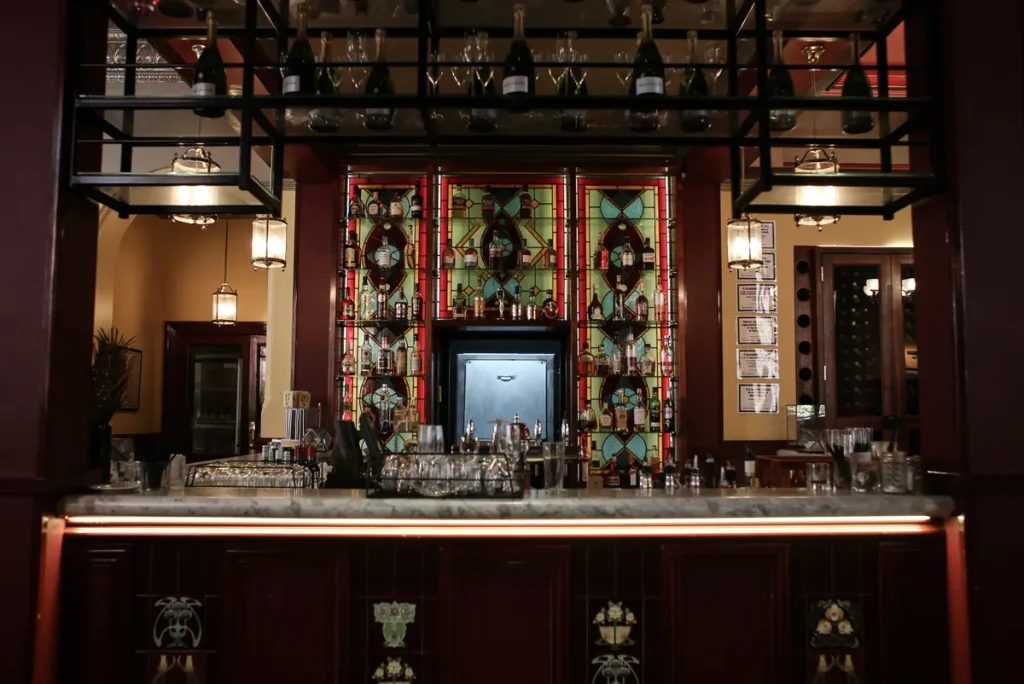

The pub business rates cut announced by Andy Burnham this week is better than nothing, which is roughly where the bar had been set. A 20% reduction on business rates for pubs, clubs and live music venues in England from April 2027, worth an estimated £1,100 per venue over the next financial year, is a real if modest piece of relief for a sector that has been watching its bills climb for two years.
Burnham called it ‘a first step’. He is right to hedge. It is worth understanding precisely what it steps away from before deciding whether to applaud.
What the pub business rates cut actually covers
The relief applies from the 2027/28 financial year, according to CelebrityAccess, and is expected to benefit almost 32,000 venues. It sits on top of the 15% cut that came into force earlier in 2026, meaning eligible pubs have now had two rounds of relief in quick succession.
The backdrop matters. Under Rachel Reeves, the government had first signalled it would strip away the pandemic-era business rate discounts entirely from April this year. It then reversed course, delivering the 15% cut, but the damage to confidence had already been done. Combined with upward adjustments to rateable values, many landlords had been staring at bills that had risen sharply in real terms before either cut arrived.
The £100m cost of Thursday’s announcement will be funded by reviewing tax relief on businesses such as vape shops and gambling arcades, which the government says ‘do not make a positive contribution to local communities’, plus a crackdown on online marketplace sellers who fail to meet their tax obligations. That is a reasonable way to structure it. Taxing harm to subsidise community assets has an internal logic.
Under the existing 2026/27 relief scheme, GOV.UK’s official guidance sets out that a qualifying property must be open to the general public, allow free entry except when occasional entertainment is provided, permit customers to drink without requiring food to be consumed, and allow drinks to be purchased at a bar. The government says full eligibility details for the new 20% cut will be confirmed at Chancellor John Healey’s autumn Budget. The ‘very largest’ live music venues are already excluded.
A sector still waiting for the bigger answer
The hospitality industry’s response has been polite but pointed. UK Hospitality chief executive Allen Simpson called Burnham’s plans ‘a good start’, then immediately flagged the gap: ‘Neither hotels nor restaurants have had the help they need. We’ve got to see a proper solution for the most overtaxed sector in the economy at this year’s Budget.’
That is the industry’s real grievance. Pubs have now received targeted relief twice. Hotels and restaurants remain outside the scope of both cuts. The sector as a whole is watching while one part of it receives a form of preferential treatment that the broader hospitality trade cannot access.
Iain Hoskins, who owns Ma Pub Group in Liverpool, told the BBC the relief would help ‘chip away’ at rising costs but wondered how many venues would actually benefit, noting his pubs had previously missed out on government business rates support. ‘As always, the devil is in the detail,’ he said.
He is right to be cautious. The Federation of Small Businesses said Thursday’s announcement must be ‘a downpayment on action that reaches across the small business community’. FSB policy chief Tina McKenzie called the plans encouraging but noted the damage done by past business rates decisions ‘holding back small business growth and jobs in every postcode’.
There is a larger question hovering over all of this. The Spirits Business has reported that before entering Downing Street, Burnham had committed to reducing VAT for hospitality from 20% to 10%. That pledge has not been acted upon. Business rates relief, welcome as it is, is a different and smaller instrument than a VAT restructuring would be. Steve Perez, founder of soft drinks firm Global Brands and owner of two hotels, made the point bluntly: the announcement is ‘welcome… but this won’t make any material difference to any pub’.
My read is that Perez overstates the cynicism, but he is pointing at something real. A pub saving £1,100 next year is still a pub carrying the weight of two years of compounding cost increases. The pub business rates cut confirmed this week is a line of credit against a much larger debt. The autumn Budget is where Burnham will have to decide whether ‘first step’ becomes the first of many or quietly becomes the last.
