


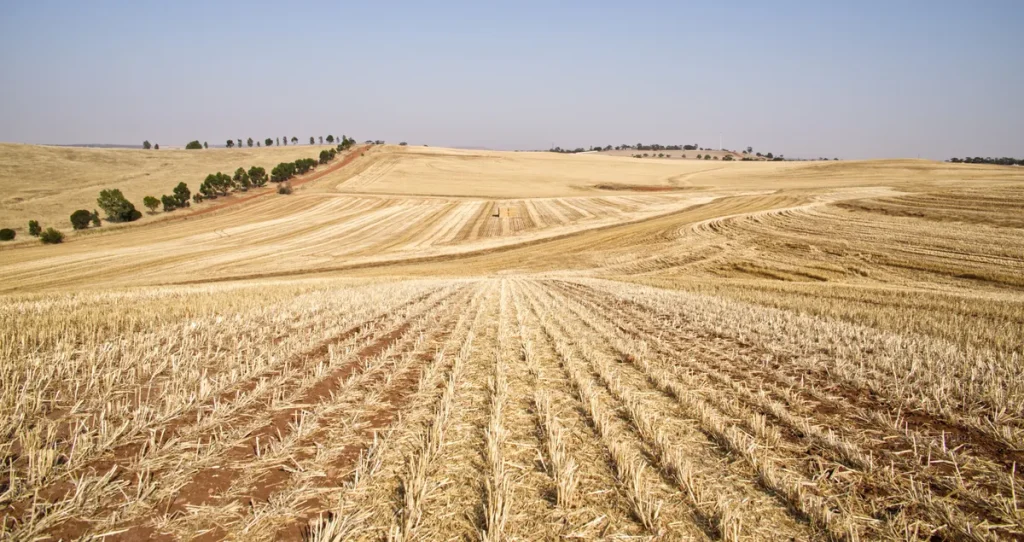

Dry weather supermarket prices are tracking higher after the driest July on record across England and Wales left cereal yields on course for what could be the worst harvest since detailed records began in 1984.
The summer of 2026 has been relentless. The Met Office reports that England and Wales recorded only 34% of their average summer rainfall at the season’s halfway point, running 1.8°C above the seasonal average for UK mean temperature. July alone set multiple records: both nations logged their driest July ever, southern England its driest single month in recorded history, and both countries their sunniest month ever observed.
What the fields are showing
The Agriculture and Horticulture Development Board (AHDB) confirmed that the 2026 harvest is the earliest in at least 20 years, with combines rolling earlier than usual across much of the UK and many farmers working through the night to avoid peak daytime temperatures. A dry spring had already reduced crop condition ratings before the summer heat compounded the damage.
The yield data is where the story turns serious. The Energy & Climate Intelligence Unit (ECIU), drawing on AHDB estimates, puts the provisional wheat yield at 6.8 tonnes per hectare. The ECIU says that figure would make 2026 one of the worst harvests on record, potentially the worst since Defra began collecting detailed data in 1984. Spring barley and oats are also below their ten-year averages. Oilseed rape is the one bright spot, with yields improving on average.
On lighter soils, the situation is worse. A government drought situation report covering 2 to 9 July 2026 noted that later-sown spring crops had taken the hardest hit, winter storage reservoir levels were declining rapidly, and livestock farmers in East Anglia were already reporting forage shortages. Heavier soils offered more resilience, but they do not dominate the UK’s arable heartland.
Why Dry Weather Supermarket Prices Could Climb Again
Dry weather supermarket prices do not move instantly: supermarkets hold forward contracts and buffer stocks that absorb some of the initial shock. But a harvest this thin will be visible in buying decisions by autumn, and households are still carrying the weight of the previous inflationary surge.
According to the Food Foundation’s Food Prices Tracker for June 2026, UK food prices have risen by 30.5% since April 2022, based on ONS data. The annual food inflation rate did ease, from 3.0% in the twelve months to May 2026 to 2.2% in June 2026. Protein foods, however, were still running at 4.0% annual inflation in June, and fruit and vegetables at 1.7%.
Poor wheat yields feed directly into bread, pasta and biscuits. Weak barley crops press on animal feed costs, which eventually surface in meat and dairy prices. The chain from farm gate to checkout is longer than most shoppers realise, but it closes reliably.
There is a Wales-specific dimension here too. Tomos Morgan’s visit to a farm in the Vale of Glamorgan illustrated conditions on the ground: crops visibly stressed, farmers under pressure. Wales recorded its joint warmest July on record alongside the broader dryness, according to the Met Office’s summer 2026 halfway-point analysis.
What comes next
The pressure on dry weather supermarket prices has not yet fully fed through from farm to till. My read is that the easing June inflation figure is the wrong thing to anchor on. It reflects spring supply chains; the 2026 harvest feeds into autumn and winter pricing.
If wheat yields land at or near 6.8 tonnes per hectare, millers and processors will be competing for a smaller domestic pool. Import costs will then depend on how widely the drought has spread across continental Europe, a question not yet answered as the harvest season continues.
Hosepipe restrictions introduced in parts of England this summer signal that the water table is not recovering quickly. Without meaningful rainfall in August, damage to late-sown crops will deepen further.
The harvest is not finished. Watch the AHDB’s subsequent progress reports for the trajectory. If the final yield number confirms what the provisional estimates suggest, shoppers will feel it before Christmas.
