


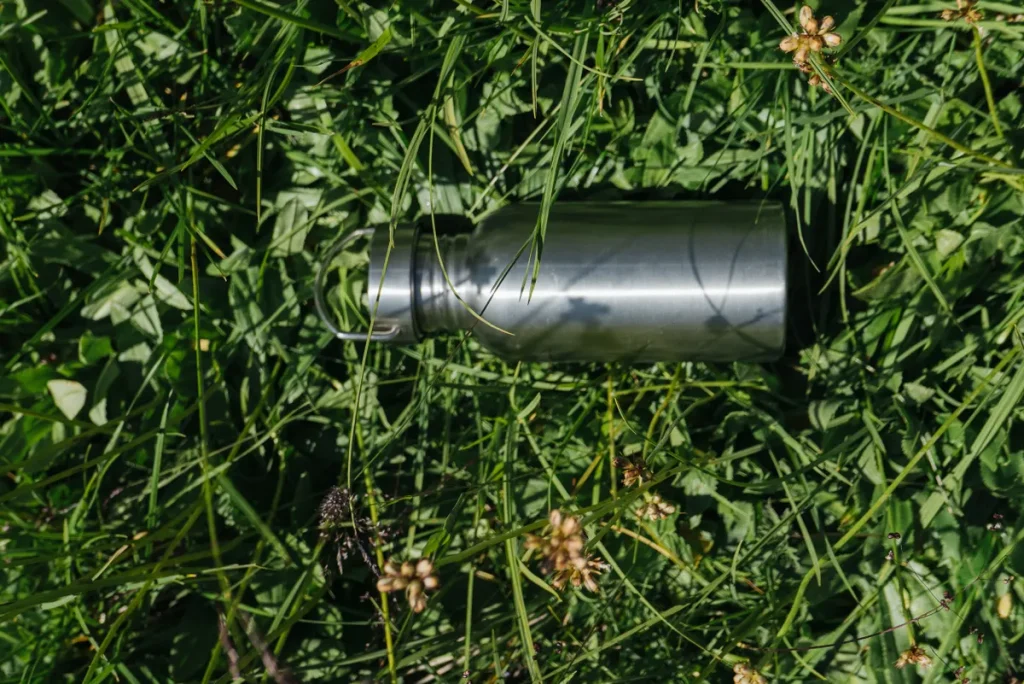

The Starbucks Korea Tank Day scandal crossed a new threshold this week when Seoul police raided the company’s national headquarters, searched the homes of senior executives, and questioned the head of Shinsegae Group’s internal audit team as a witness, all over a coffee tumbler promotion that, within weeks, had shattered one of the most valuable Starbucks franchise operations in the world.
What Police Found, and What They Were Looking For
Yonhap News Agency reports that the search-and-seizure warrant cited allegations of insult, specifically that Starbucks had mocked those involved in the May 18 Democratization Movement. A civic group had also filed a criminal complaint against Shinsegae Group Chairman Chung Yong-jin personally, alleging insult and defamation against the uprising’s victims and their bereaved families.
According to Aju Press, police questioned Yang Jong-hwan, head of Shinsegae’s audit team, after concluding that the company’s own internal review had failed to fully examine the circumstances surrounding the campaign. Investigators also searched the residences of Starbucks Korea executives during the same operation, ABC News reports.
The product at the centre of everything was not a generic coffee tumbler. It was a stainless-steel product Starbucks marketed as the ‘SS Tank’, a name the company insists was chosen without any awareness of its historical resonance.
The Starbucks Korea Tank Day Timeline: From Promotion to Prosecution
The promotion launched in May, timed to the anniversary of the 1980 Gwangju Uprising. Official records cite about 200 people killed during the military crackdown, the figure cited as the basis for police complaints from relatives of victims. Anadolu Agency, citing Yonhap, separately reports a figure of at least 165 killed, attributed to critics of the campaign. The sources conflict; the official records figure of about 200, per ABC News, is used here as the primary benchmark.
The campaign’s offence ran deeper than the tumbler name. Promotional material used the phrase ‘tak on the table!’, mimicking the sound of an object slapped on a surface. The word ‘tak’ was also used in a 1987 police statement describing the death of student activist Park Jong-chul in custody, whose fate became a symbol of South Korea’s democratization movement.
Backlash was immediate. President Lee Jae Myung said the campaign ‘insults the victims and the bloody struggle’ of Gwangju residents. The internal ministry announced a government-level boycott. Shinsegae closed stores across the country for half a day to allow staff to attend history lessons.
CEO Son Jung-hyun was dismissed. A second, unnamed executive who oversaw the campaign was also ordered dismissed by Chairman Chung, Al Jazeera reports.
A Chairman Who Bowed Three Times and Still Faces Charges
Shinsegae Group holds a 67.5% stake in Starbucks Korea. That concentration of ownership means Chung Yong-jin bore the full weight of the public response. He appeared on television, bowing three times as he pleaded for forgiveness from the families of democracy activists and from the broader public.
His written statement was unsparing. ‘I deeply bow in apology as the representative of the group,’ he said, acknowledging that the marketing had ‘deeply hurt the public, the bereaved families, and the victims of the May 18 demonstration.’ He went further in a separate statement cited by the BBC, calling the campaign ‘an inexcusable mistake that trivialised the suffering and sacrifices of all those who have dedicated themselves to the democracy of this country.’
None of it was enough to forestall a police investigation. The criminal complaint filed against Chung personally means the chairman of one of South Korea’s largest conglomerates now faces the prospect of being questioned not as a corporate sponsor of an apology tour, but as a suspect.
Starbucks Korea is one of the coffee chain’s largest markets globally. Shinsegae confirmed that the Tank Day controversy had caused a serious decline in sales, though the company has not published specific revenue figures. The political dimension has only deepened the wound: opposition figures have taken to brandishing Starbucks cups at rallies, converting the brand into a proxy for the culture war between the Lee government and its critics.
For Shinsegae, the question is no longer whether the mistake was intentional. Investigators clearly think the internal review process should have caught it regardless, and they intend to find out why it did not.
