


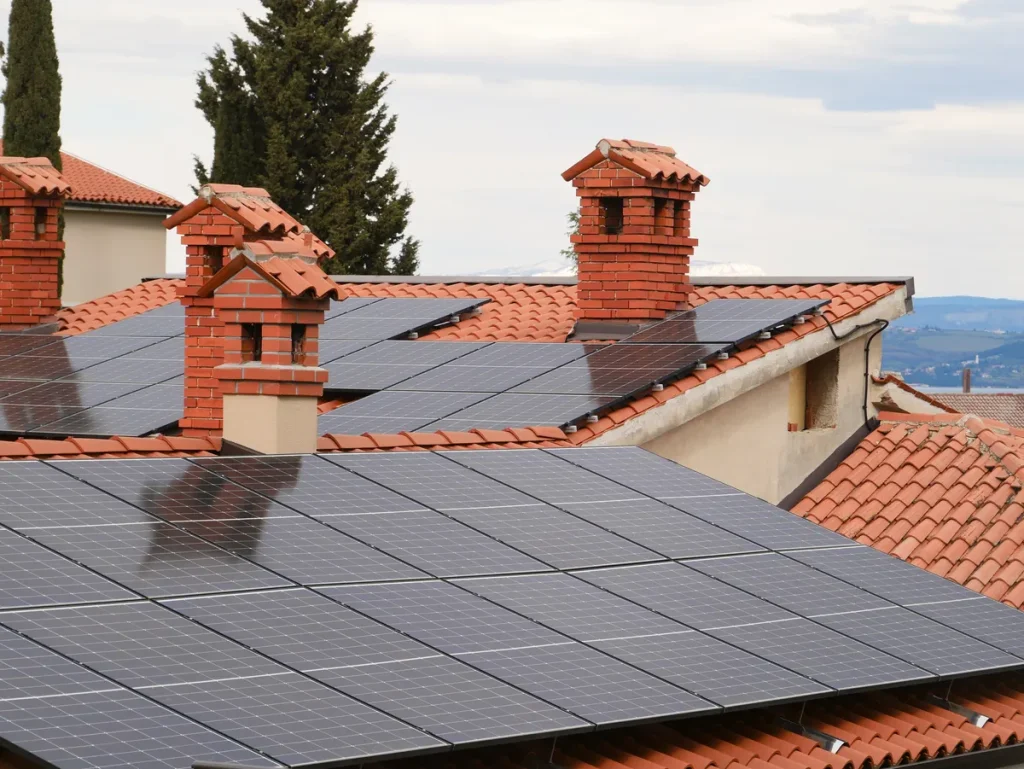

The Warm Homes Local Grant has delivered free solar panels to a Wisbech homeowner who suspected the whole thing was a con, and then left a neighbour in Little Downham waiting by an empty phone for money that never came. Both outcomes are true. That, in miniature, is the problem with a programme that is genuinely transformative for those who get through it and genuinely frustrating for those left at the door when the funding runs out.
How the Warm Homes Local Grant played out in Cambridgeshire
David Brain found out about the scheme from a doorstep representative, which did nothing to calm his suspicions. He checked the government website, verified the contractor, and pressed ahead anyway. ‘We were very sceptical, but we went online and we checked them out, and then we checked whether it was a legitimate thing through the government website,’ he said. The solar panels went in. His electricity bill is now down to 2p a day.
Trevor Dewey, from Little Downham, had been promised similar improvements. A contractor turned up. Then a phone call arrived, telling him the scheme had run out of money and that more funding might come in twelve months’ time. ‘We’re disappointed,’ he said. That word does a lot of heavy lifting.
The Cambridgeshire councils running the scheme have helped 245 homes through the Cambridgeshire Energy Retrofit Partnership, a consortium of six local authorities. The £3.5 million allocation has been spent. Labour councillor Rosy Moore of Cambridge City Council, the lead authority, said her partnership had written to the Department for Energy Security and Net Zero (DESNZ) asking for an extension. ‘We’ve been so successful that all of our [grant] money is booked to be spent, as it were, that’s all in the pipeline,’ she said.
Success consuming its own budget is, admittedly, a better problem to have than failure. But it is still a problem.
The bigger numbers behind the scheme
The national picture puts the Cambridgeshire shortfall in context. According to the Energy Saving Trust, the Warm Homes: Local Grant opened in April 2025 and will run until March 2028, backed by £500 million allocated across 73 projects and 270 local authorities over three years. That sounds substantial. Spread across England, it works out to relatively modest sums per council area, with cost caps set at £15,000 per home for energy performance measures and a further £15,000 for low-carbon heating, both intended to be averaged across a project rather than guaranteed for every property.
The broader GOV.UK Warm Homes Plan sets out around £5 billion of investment for low-income and fuel-poor households to 2030, comprising £4.4 billion in direct capital grants backed by an initial £600 million from the Warm Homes Fund. The ambition is to upgrade five million homes between 2025 and 2030 and to lift fuel-poor homes to an EPC rating of Band C by 2030, according to The Eco Experts.
Five million homes by 2030 is a large number. Cambridgeshire’s 245 completed installations and its depleted £3.5 million pot suggest the pace of delivery at ground level needs to keep up with the headline ambition.
The government is at least thinking structurally about the gap between local and national delivery. From 2027/28, it intends to merge the Warm Homes: Social Housing Fund and the Warm Homes: Local Grant into a single low-income capital scheme, shifting toward area-based delivery. The idea is that local partnerships develop bespoke plans for their area rather than competing for discrete pots. Whether that produces better outcomes for the Trevor Deweys of England, or just a different kind of waiting list, is the question worth watching.
For now, the eligibility rules remain unchanged: privately owned homes in England rated EPC D, E, F, or G, with a household income of usually £36,000 or below, or residents claiming certain benefits. Those who qualify pay nothing for the work the council agrees to carry out. The scheme is not a scam. It is, in parts of the country, temporarily out of money. That distinction matters less to someone who has just had a contractor turn up and then disappear than it does to the officials writing the press releases.
The DESNZ spokesperson said the Warm Homes Plan ‘will roll out more upgrades across the country.’ The question Rosy Moore’s letter to Whitehall implicitly asks is when, and for how much. The merger of the two funding streams in 2027/28 is the next concrete date on the calendar. For Trevor Dewey, that is roughly twelve months away. He already knew that.
