


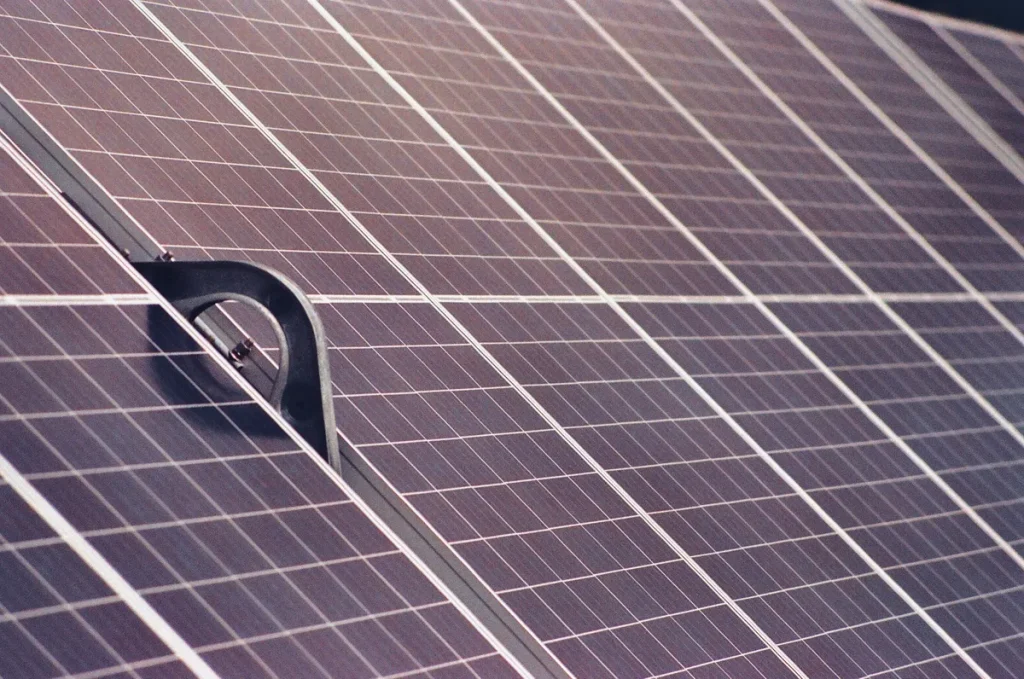

Plug-in solar panels are now legally on sale across UK shops for the first time, after the government confirmed 27 August 2026 as the launch date for the new regime. Argos is first out of the gate; Wickes and Currys are expected to follow.
The pitch is simple: cheaper than rooftop solar, no electrician required, and available on the High Street. Whether it lives up to that billing depends rather heavily on your roof, your habits, and the age of your wiring.
What plug-in solar panels UK buyers will actually get for their money
At launch, prices start at £699 for a single-panel kit and £1,089 for a two-panel version, according to solar company UKSOL. City Plumbing is listing a UKSOL Pro Plus two-panel kit at £994. The government expects prices to settle at £400 to £600 as competition intensifies and more products enter the market.
There is more choice coming quickly. TechRadar reports that UKSOL has received regulatory approval for two hybrid mount kits, planned for October 2026, in addition to the ground-mount models now on sale. iNews reports that UKSOL plans four further models in October, including a single-panel kit from £599.
The savings the government projects are modest. Its research puts the annual reduction in energy bills at £70 to £110, depending on panel orientation and how many daylight hours the household actually uses electricity at home. An unshaded south-facing position is optimal; households that are out all day will benefit least, because the electricity must be consumed as it is generated.
Any surplus flows back to the grid, but under current rules homes are unlikely to receive payment for it. Plug-in systems do not need certification under the Microgeneration Certification Scheme and will not normally qualify for the Smart Export Guarantee that rewards rooftop solar owners for excess power.
The 800W cap, the safety rules, and the wiring question
Every kit is subject to an 800-watt output ceiling set by the microinverter, regardless of how many watts the panels themselves are rated for. That cap is enough, according to the government’s press release, to run a fridge, television, Wi-Fi router, laptop, phone charger, and an Xbox S simultaneously while the sun is shining. It covers roughly a fifth of the average household’s electricity consumption during daylight hours; the kettle, which draws 3 kilowatts, will always need the national grid to top it up.
The safety architecture is built around that microinverter. It monitors the grid connection continuously and shuts down within milliseconds if the supply is cut, preventing live electricity from feeding into dead wiring during a power cut. New panels must pass the industry’s G98 standard and the government’s product specification; compliant models appear on the Energy Networks Association’s public register, which is worth checking before purchase.
The regulatory basis for all of this is Amendment 4 to BS 7671, which came into force on 15 April 2026 and updated the wiring regulations to formally recognise small plug-connected photovoltaic sources. Without that change, the March 2026 government announcement of an imminent launch would have remained aspirational.
The installation itself is straightforward: mount the panel using the supplied kit, connect the microinverter, and plug into a weatherproof outdoor socket. No electrician needed for the installation, but consumer safety charity Electrical Safety First recommends having your electrics checked by a registered electrician before buying, particularly in older properties or where wiring condition is unknown. The charity’s concern centres on older residual current devices that can interact unpredictably with plug-in solar.
Do not use an extension lead, cable reel, or plug adaptor. Connect only one device per property, as the regulations require. And notify your electricity Distribution Network Operator within 28 days of plugging in.
Northern Ireland is not yet included. The Energy Saving Trust’s plug-in solar checklist confirms availability in England, Scotland and Wales from 27 August 2026, with Northern Ireland requiring its own separate regulatory update before it can follow.
The broader context matters here. The Energy Saving Trust’s solar roadmap notes that over 1.5 million UK homes already have solar panels installed, with government data showing growth of more than 10% annually for the past three years. The UK Government’s Solar Roadmap targets around 47GW of solar capacity by 2030 as part of its Clean Power Plan. Plug-in panels are, frankly, a minor contribution to that target. But as a low-cost, low-commitment entry point for renters, flat-dwellers, and households that cannot afford rooftop installation, they fill a gap that existing schemes have never reached.
The real test will be autumn pricing. If competition drives single-panel kits below £500, the payback period starts to look reasonable against those £70 to £110 annual savings. Watch what Wickes and Currys price their stock at when they land.
