



Japan’s Japan 30km/h speed limit for residential streets came into force on 1 September 2026, halving the previous 60km/h default on roughly 870,000km of narrow urban roads and covering around 70% of the country’s general road network.
What the Japan 30km/h Speed Limit Actually Covers
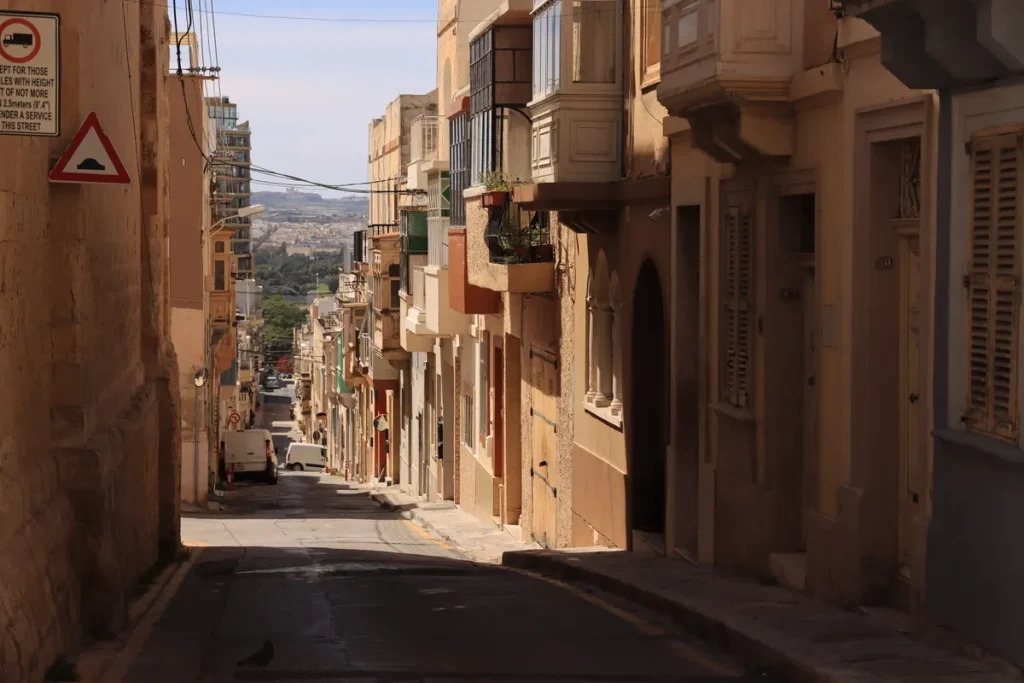
The new statutory limit applies to roads less than 5.5 metres wide that have no centre line, no designated traffic lanes, and no median strip, according to the National Police Agency (NPA) Traffic Bureau. Crucially, it takes effect even on roads where no 30km/h sign is posted. If the road lacks a centre line, the limit applies automatically.
Taxi and delivery drivers have raised concerns about identifying which roads are covered and about potential delays to their services, according to NTV/News Zero reporting corroborated by visa-makuhari.com’s speed limit explainer. It is a reasonable worry. Japan’s urban road grid contains countless unmarked lanes indistinguishable to the eye from their newly restricted neighbours.
The policy rationale rests on hard numbers. Research published in Findings Press, drawing on NPA data, shows that pedestrian mortality in accidents involving vehicles travelling at or below 30km/h is less than 1%. At 30-40km/h, the rate rises to 2.7%. At 50-60km/h, it reaches 17.4%. That is not a marginal difference; it is the difference between a bruise and a funeral.
A Decades-Long Decline That Stalled on Residential Streets
Japan’s overall traffic death toll has fallen dramatically over half a century. According to research citing NPA figures in Findings Press, road deaths peaked at 16,765 in 1970. Since then, a combination of safer vehicles, infrastructure improvement, and tighter enforcement has driven that figure down relentlessly.
The Mainichi Shimbun reported that Japan recorded 2,663 traffic deaths in 2024, the third-lowest since record-keeping began in 1948. Among those, 1,513 were aged 65 or older, up 47 from 2023 and the first increase in nine years, representing 56.8% of all traffic fatalities.
On the 2025 full-year figure, there is a conflict between sources. The snippet states 2,457 deaths as a record low; the NPA Traffic Bureau’s own page gives 2,547 for 2025, also described as the lowest since 1948. This article uses the NPA’s own figure of 2,547. Separately, provisional data covering the first eight months of 2025 showed a 6.1% decline in road deaths compared to the same period in 2024, according to the International Transport Forum’s Japan Road Safety Country Profile 2025.
The problem is that the residential road story does not track this broader trend. Deaths involving children and older people on narrow streets have held at around 300 a year since 2021 and rose for the first time in three years in 2025, according to the NPA. The Japan 30km/h speed limit is aimed squarely at that stubbornly flat curve.
There is reason to think it can move it. A pilot scheme introduced in 2011 created “Zone 30” designations on a limited number of residential streets and school routes. The Mainichi Shimbun reported a 30% reduction in fatalities and serious injuries within those zones. The new rule is, in effect, Zone 30 applied to the entire relevant network rather than a curated subset of streets.
‘We ask drivers to recognise that they need to take particular care on roads shared by vehicles, pedestrians and cyclists,’ NPA commissioner general Yoshinobu Kusunoki told reporters this week.
My read is that Japan is doing something straightforward here: taking a proven local intervention and scaling it. The political resistance is low because the mortality data is damning. Speed kills pedestrians on narrow streets at rates that dwarf what happens below 30km/h, and two decades of infrastructure improvement have barely touched that residential toll. The real test will be enforcement. A sign-less statutory limit on 870,000km of roads requires drivers to know the rules without being reminded by a post on the kerb. Whether that expectation holds, particularly for visiting drivers and commercial operators still working out which streets are affected, is the question that will determine whether the 30% improvement seen in Zone 30 pilots becomes the national story too.
