


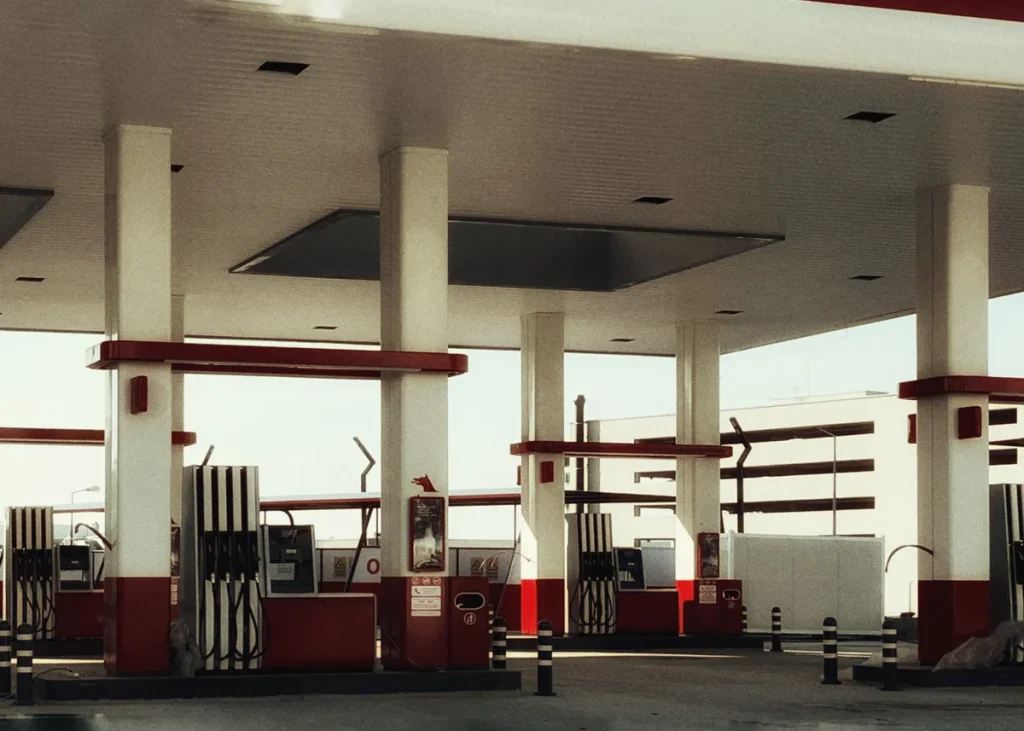

Channel Islands fuel prices are falling, but the pace of relief at the forecourt tells a familiar story: wholesale savings travel faster to the retailer’s margin than they do to the driver’s wallet. Both Rubis and ATF Fuels confirmed this week that recent drops in global oil costs are filtering through to pumps in Guernsey and Jersey, with further reductions expected if wholesale prices hold.
How far prices have fallen from their war peaks
The Iran conflict drove pump prices to levels that will take some time to forget. According to BBC reporting based on RAC data, petrol averaged 159.53p a litre at its peak on 28 May 2025, while diesel hit a high of 191.54p a litre on 15 April 2025. Both figures have since retreated significantly.
The catalyst was a US-Iran framework deal agreed in June 2025, after which fuel prices nosedived on global markets, according to the same BBC reporting. In the last fortnight, global oil prices returned to pre-war levels.
Diesel has led the descent. The RAC reported the fastest monthly fall in diesel prices since 2000 in June, with the cost dropping by 17p a litre, according to the original figures in the snippet. The Grocer, citing RAC data, puts the precise move at 16.6p, from 183.75p per litre at the start of June to 167.14p by the end of the month. The two figures reflect different rounding of the same underlying data; the direction is not in dispute.
Petrol has fallen too, though by a more modest amount.
Channel Islands fuel prices and the lag that always frustrates drivers
ATF Fuels offered a candid explanation for why the pump price has not kept pace with crude. ‘While the crude prices have fallen significantly, the cost of refined products such as diesel, petrol and kerosene have been slower to fall. This is primarily due to infrastructure damage caused by the war in Iran and the costs associated with refining crude,’ the company said.
Rubis framed it in supply-chain terms. Its priority had been to maintain secure fuel stocks, and as those stocks are replaced with new deliveries purchased at lower wholesale prices, the savings will ‘progressively flow through the supply chain’. A spokesperson added: ‘Over the past few weeks, we have already seen prices fall for petrol and for diesel and these reductions are being passed on to forecourts and ultimately consumers. If global wholesale prices continue to fall, we expect to see further reductions passed on over time.’
The Jersey Consumer Council welcomed the reductions but warned islanders not to expect symmetry between the speed of rises and falls. ‘When wholesale prices rise, retailers typically pass these increases on swiftly. In contrast, when wholesale costs fall, reductions at the pump tend to happen more gradually,’ the Council stated, adding that drivers are more likely to shop around when costs are rising than when they are falling.
To track the movement more closely, the Council has increased its fuel price surveys to twice a week, according to BBC reporting. That intelligence is gathered weekly by a council member calling each garage forecourt on the island, as set out in a letter from the Jersey Consumer Council to the States Assembly’s Economic and International Affairs Scrutiny Panel dated 30 July 2025.
The energy squeeze has not been limited to the forecourt. Island Energy imposed a temporary price increase for gas in Jersey because of the conflict’s impact on global gas costs, and separately announced a 7.5% gas price rise effective 16 January 2025. Jersey Electricity also raised prices by 7.5% from the start of the year, according to the Consumer Council’s own energy and fuel tracker.
The motoring group the AA said it expects pump prices to fall further and noted that ‘the timing is perfect for the start of the summer holidays’, according to BBC reporting. Whether Channel Islands drivers see that optimism fully reflected at local forecourts will depend on how long the wholesale calm holds, and on how quickly suppliers choose to pass it on.
