


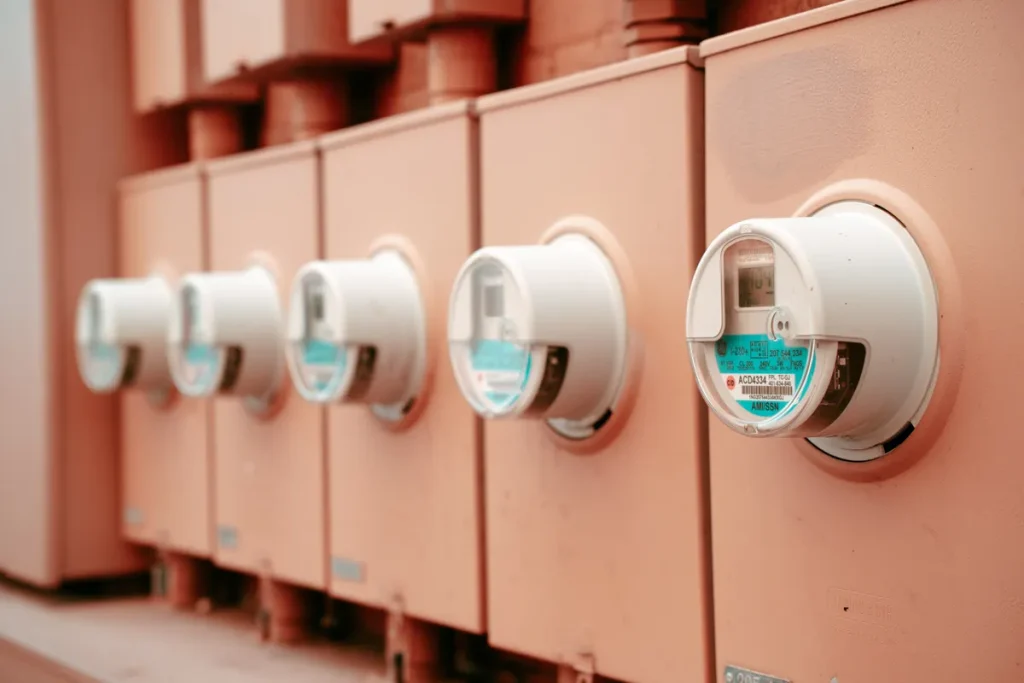

Andy Burnham’s first significant act as prime minister is an electricity VAT cut that will zero-rate domestic electricity bills from 1 October, removing the existing 5% levy and saving a typical household around £45 a year, according to the UK Government press release.
The policy applies in England, Scotland and Wales. Northern Ireland, regulated differently, will instead receive equivalent funding directly from the government.
The cost to the Treasury is estimated at £850 million in the current financial year, funded by scrapping the digital ID programme, which had been expected to cost £1.8 billion over three years.
A Modest Shield Before the Next Price Cap
The timing is deliberate. The government says the electricity VAT cut is designed to take effect before Ofgem‘s next price cap review, giving households a measure of relief ahead of whatever adjustment the regulator makes.
That context matters. Energy prices for millions of households in England, Scotland and Wales rose by 13% at the start of July under the existing Ofgem cap, according to BBC News. The cap previously hit a peak of £4,414 in January 2023, though the Energy Price Guarantee limited bills for a typical household to £2,500 between October 2022 and June 2023.
Against that history, £45 is a narrow margin. Burnham described the measure as providing ‘breathing space’ for struggling households in his first speech as prime minister. Chancellor John Healey offered a slightly different framing, saying the announcement would ‘provide some reassurance this winter.’
Both phrases are doing political work. Neither pretends this is a solution.
The IFS Is Not Impressed, and That Is Worth Noting
The Institute for Fiscal Studies (IFS) put the announcement in plain terms: ‘As a result of the VAT cut announced today, households will benefit from small cuts to their electricity bills.’ The IFS also pointed to the harder decisions Burnham faces over tax, borrowing and public spending.
That tension is the real story here. Burnham entered Downing Street the day before this announcement, becoming the UK’s seventh prime minister since 2016. A VAT cut funded by cancelling a single programme is the kind of move that is easy to announce on day one. The difficult questions, on revenues and the overall fiscal position, will not be answered by scrapping a digital ID scheme.
Healey, who replaced Rachel Reeves as chancellor after Reeves served throughout Sir Keir Starmer’s tenure following Labour’s 2024 general election win, will face those questions soon enough. HM Treasury has not set out a broader fiscal statement timetable, and Burnham’s new cabinet met for the first time at Tuesday lunchtime.
My read is that the electricity VAT cut is a competent political opening: visible, fast-acting, and funded without new borrowing. But the IFS is right that the saving is small relative to the scale of pressure households have faced since 2022. Burnham has bought himself a little goodwill and a short window. The Ofgem review will determine whether he needs to reach for something bigger before winter settles in.
