



The UK inflation rate outlook is considerably less comfortable than June’s headline figure suggests. Consumer Prices Index (CPI) inflation fell to 2.6% in the year to June 2026, down from 2.8% in May, and the drop was slightly larger than economists had predicted. Cheaper petrol and diesel, a brief ceasefire in the Middle East and supermarket discounts on clothing all helped. But that relief is already unwinding, and the months ahead look harder.
What the Energy Cap Rise Means in Practice
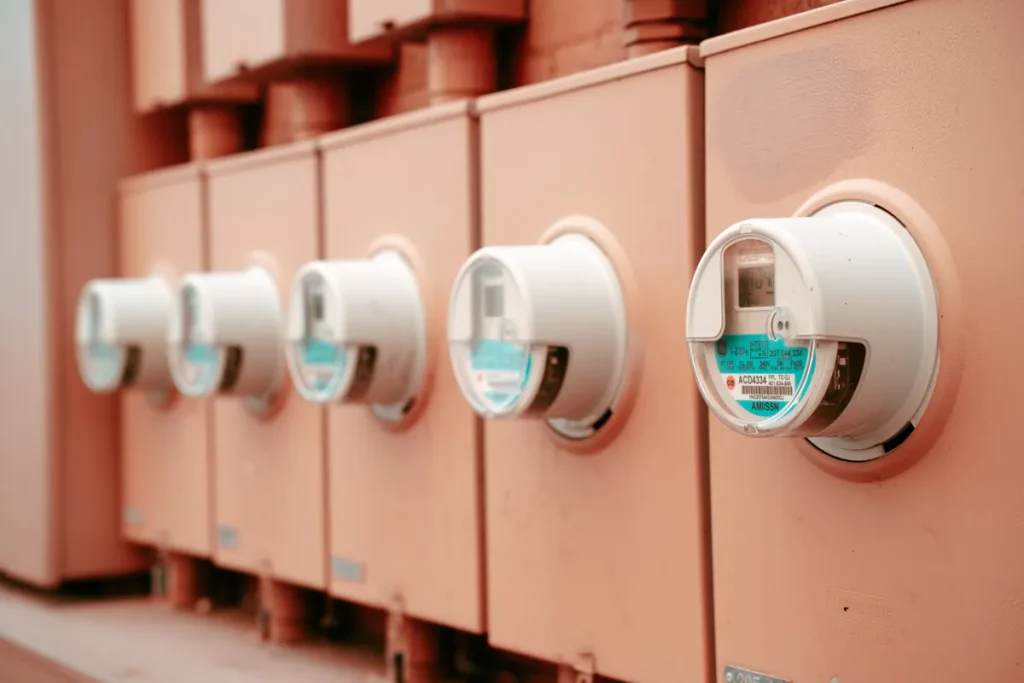
The single biggest upward pressure on inflation this summer is energy. Ofgem announced a 13% rise in the energy price cap for the period 1 July to 30 September 2026, citing higher wholesale gas prices driven by the conflict in the Middle East. For a typical household paying by direct debit, annual bills rise from £1,641 to £1,862, an increase of £18 a month for those using both electricity and gas.
The split between fuels matters. Electricity prices rise by approximately 5% under the new cap, while gas prices rise by 24%. Standard credit customers see their cap move from £1,772 to £2,005; prepayment meter customers go from £1,597 to £1,812. That divergence between electricity and gas is different from the 2022 energy crisis, when both moved broadly together.
New Prime Minister Andy Burnham has announced that VAT on household electricity bills will be scrapped, though that does not take effect until October and is expected to provide only a modest downward nudge to inflation. It will not offset the July cap rise.
Producer Prices and the Pipeline Problem
There is a less-discussed reason to be cautious about the UK inflation rate outlook: what is happening further back in the supply chain. According to the Office for National Statistics (ONS), producer input prices rose by 7.3% in the year to June 2026 (down from 9.3% in May), while factory gate prices rose by 3.5%. Services producer prices rose by 4.3% in the year to the second quarter of 2026, up from 3.2% in the first quarter.
These are the pressures that travel slowly through supply chains before they reach shop shelves. When input costs are running at 7.3% annually and services prices are accelerating, June’s relatively benign CPI print starts to look like a temporary pause rather than a genuine trend.
The Bank of England made a similar point as far back as March. At its meeting ending on 18 March 2026, the Monetary Policy Committee (MPC) voted unanimously to hold the base rate at 3.75%, noting that Middle East conflict had already caused a significant increase in global energy and commodity prices and that CPI would be higher in the near term as a result.
Where the MPC Stands Now
At its June meeting, the MPC voted 7–2 to hold the base rate at 3.75%. The minutes note that CPI had fallen to 2.8% since the previous meeting in April (the MPC was responding to May’s figure, not June’s, which had not yet been published). The committee expected inflation to rise later in the year as higher energy prices continued to pass through.
In April, the Bank had warned that disruption to global energy markets could push UK inflation as high as 6% in a worst-case scenario. Oil prices did briefly fall when a ceasefire was announced, but they have risen again since the United States and Iran resumed attacks in the Strait of Hormuz in July. That sequence, a temporary dip followed by renewed pressure, mirrors what happened to June’s CPI figure.
Wages, Jobs and the Rate Decision on 30 July
The labour market gives the MPC a little more room than energy prices do. Regular pay in the UK (excluding bonuses) grew by 3.4% in the three months to May, fractionally outpacing inflation and translating into real pay growth of just 0.1%. The unemployment rate held at 4.9% in the three months to May, and the number of payrolled employees has been broadly flat at just under 30.3 million. A cooling labour market reduces the risk that wage growth feeds back into services inflation.
My read is that these labour figures will give the Bank comfort to hold rates rather than raise them at the next meeting. But they do not change the fundamental arithmetic. Energy bills are higher from 1 July. Producer costs are elevated. The ceasefire that temporarily pulled petrol prices lower has broken down.
The Bank of England publishes its next Monetary Policy Summary and a full Monetary Policy Report on 30 July 2026. That decision will tell us whether the MPC still believes the June dip in the UK inflation rate outlook is the beginning of something, or whether it has already been revised away by events.
