



Andy Burnham’s cost-of-living agenda dominated his first week as the UK’s 59th prime minister, and BBC South has been putting the measures to voters in southern England who might reasonably ask what the self-styled King of the North has to offer them.
The answer, so far, is cheaper electricity bills, cheaper bus fares, and a regional outpost of Downing Street planted firmly in Manchester. Whether that amounts to a governing vision or a headline strategy is the question voters, and Labour MPs, are beginning to ask.
Andy Burnham’s Cost-of-Living Blitz: What Has Actually Been Announced
On his second day in office, Burnham announced a cut to VAT on domestic electricity bills. The GOV.UK press release confirms the saving for a typical household will be about £45 a year, with the measure funded by cancelling the Digital ID programme and taking effect from 1 October 2026 for six months.
Connie Cole, a mother from Portsmouth, welcomed it: ‘It’s £45 we didn’t have. I think it’s something, it’s a start.’ That measured enthusiasm captures the mood pretty well. Forty-five pounds is not nothing, but it is also not transformative. The VAT cut does not apply in Northern Ireland, where complications arising from the Brexit deal mean BBC News reports Stormont will instead receive additional UK government funding to direct toward cost-of-living support.
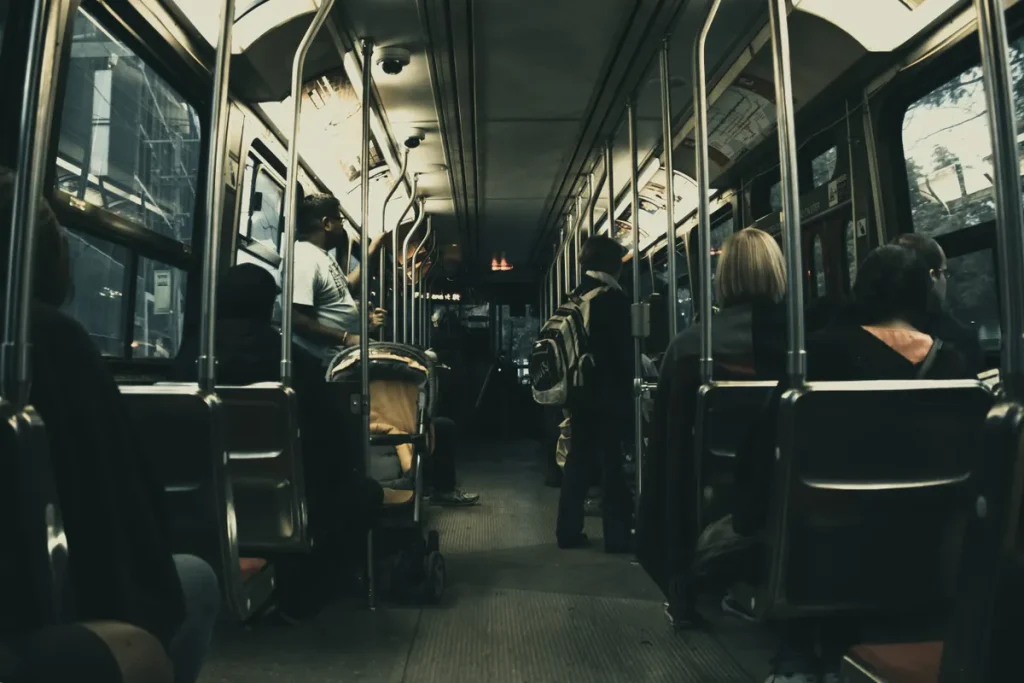
Wednesday brought the bus fares announcement. Single tickets in England outside London will be capped at £2 from 1 January 2027 until 31 December 2027, according to the written statement published by the government. The existing £3 cap continues until the end of 2026.
The policy is expected to cost more than £500 million, with £454 million reallocated from the Department for Energy Security and Net Zero, according to BBC News coverage of the announcement. It is also, in a quietly awkward detail for the party, a reversal of a decision made by Burnham’s predecessor. The Guardian reports that Keir Starmer and Rachel Reeves raised the cap from £2 to £3 in 2024, arguing the lower fare was unaffordable. The original £2 cap had run from January 2023 to December 2024, and a government-commissioned evaluation of its first ten months found it increased bus use by around 5%, with passengers making just under 1.9 billion local bus journeys in England outside London in the year to March 2025.
Thursday’s announcement targeted hospitality: a 20% cut to business rates for pubs and small live music venues. Aidan Lavin, who co-owns the Raven and Bine pub in Southampton, called it ‘a promising start’ but added he fears ‘it’s nothing even close to enough,’ warning that without further support, ‘we are going to lose some of our inns and taverns, never to be returned.’
My read is that Lavin’s reaction is the most instructive of the week. The relief is genuine; so is the anxiety underneath it. A 20% rates cut sounds dramatic until you weigh it against rising labour costs, energy bills, and the cumulative squeeze since 2022.
No 10 North and the Permanent Revolution Burnham Is Attempting
The week’s most structurally ambitious move arrived on Friday, when Burnham headed to Manchester to inaugurate No 10 North, operating from Heron House in the city’s New Islington area. The government describes it as a ‘situation room for growth,’ bringing devolution levers together under one roof.
The detail buried in the announcement is more interesting than the rhetoric. BBC News reports that the office will be overseen by First Secretary of State Louise Haigh, a Burnham ally, who will lead a new Office for the Prime Minister and the Cabinet (OPMC), shifting strategic decisions on devolution and local growth away from the Treasury and Angela Rayner’s ministry. Caroline Simpson, former chief executive of the Greater Manchester Combined Authority, has been appointed Burnham’s deputy chief of staff and will run day-to-day operations there.
Heron House is interim. The Guardian’s analysis of two-centre government notes that No 10 North is eventually expected to relocate to a planned Manchester Digital Campus, due for completion in 2032, which will consolidate approximately 8,800 civil servants from multiple departments on the site of a former retail park. Burnham is expected to work from Manchester at least one day a week. Al Jazeera’s analysis notes Downing Street insists the arrangement carries no additional cost to taxpayers.
Professor Robert Johns, from the University of Southampton, told the BBC he sees ‘a little bounce in a few polls’ and believes Burnham has ‘some of the ingredients to win over public appeal.’ That is cautious academic language for what is, in political terms, a reasonable first week. The question is whether the South, which has no particular reason to feel affection for Manchester’s municipal evangelism, eventually decides the King of the North is governing for all of them, or only for his heartland.
The bus fare reversal, of all things, may be the sharpest test: the government that said £2 was unaffordable has now found more than £500 million to reinstate it. If that money delivers the ridership gains the evidence suggests it can, Burnham gets the credit. If the funding runs out and the cap lifts again in January 2028, the symmetry with Starmer’s retreat will be difficult to escape.
