


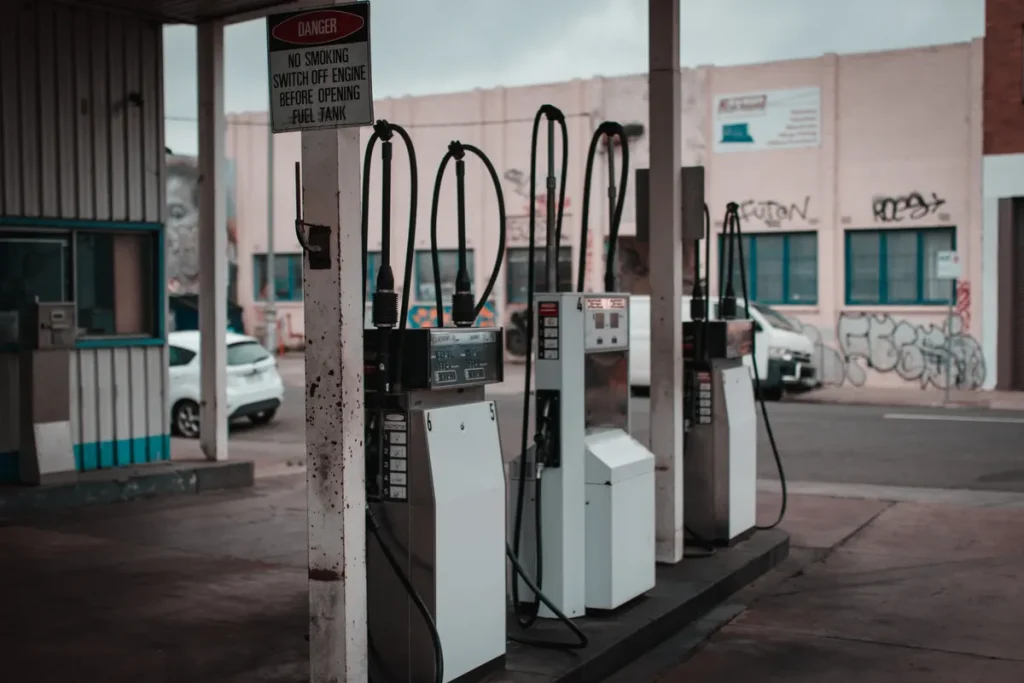

The forecourt fuel theft rise triggered by the Middle East conflict is costing UK petrol stations an estimated £194,000 a day, up from roughly £131,000 in the five months before the war began on 28 February, according to figures from Security Journal UK citing Forecourt Eye data, a 48% jump in the value of stolen fuel.
That figure alone should embarrass a lot of people. Retailers have been saying for months that rising prices and inadequate policing were creating an impossible situation. The numbers now make it impossible to dismiss.
First-time offenders are driving the forecourt fuel theft rise
The volume of fuel stolen has climbed by 24%, from an estimated 87,000 litres to 108,900 litres a day across the UK’s 8,359 forecourts, based on a representative sample of 550 sites extrapolated nationally. Daily incidents have risen from around 2,400 to 2,872.
What the headline totals do not reveal is who is responsible. According to Forecourt Eye’s analysis, first-time offenders account for a 23% surge in incidents and a 26% rise in volume stolen. Among repeat offenders, the equivalent figures are 17% and 20%. The gap matters. Organised, habitual theft is growing, but so is a broader category of people making a first-time decision to drive off without paying.
Fuel prices peaked in April, fell when the US and Iran agreed a framework deal in June, and have since risen again after peace talks collapsed. Last week petrol reached its highest price since the conflict began, and its highest level since 2022.
Shailesh Parekh, who runs six forecourts under the Midlands Motor Fuels banner, told the BBC he had ‘more CCTV cameras than Birmingham airport’ per square foot, but ‘that doesn’t help because people don’t care.’ He estimated fuel theft cost him about £40,000 in his last financial year, and expects the figure to be higher this year. ‘There is no deterrent, there is no comeback,’ he said. ‘That’s where the problem is.’
Technology response and what the margins data tells us
Forecourt Eye is responding by partnering with facial recognition firm Facewatch to give more than 2,000 retailers free access to crime-reporting technology from autumn. From September, the service will be delivered via a new app added to existing tablet devices, giving access to Facewatch’s Crime Management Platform. Retailers will not need to deploy live facial recognition cameras to use it.
Forecourt Eye managing director Michelle Henchoz put it plainly: ‘As offending becomes more organised and more sophisticated, operators need joined-up technology that helps them protect both their forecourt and their convenience store.’
The company’s vehicle database, which Talking Retail reports now exceeds 300,000 registrations linked to fuel theft, underpins that intelligence-sharing ambition. Facewatch chief executive Nick Fisher, writing in Security Brief UK, argued that ‘the distinction between fuel crime and retail crime has largely disappeared. Modern forecourts face the same prolific offenders, violence and abuse experienced across the wider retail sector.’
He is right about that. Forecourt Eye’s data also recorded an increase in ‘abuse, intimidation and violence from frustrated customers’ at petrol stations, which is a pattern that tracks with broader retail crime trends rather than something specific to fuel.
On retail margins, the picture is more complicated than either the government or retailers want to acknowledge. The Competition and Markets Authority (CMA) found that non-supermarket fuel retailers averaged 11.1 pence per litre (ppl) in margins for the 2025 year to date (January to September 2025), up from 10.8 ppl in 2024. Supermarket margins have trended in the other direction, falling from a high of 10.9 ppl in 2022 to 9.6 ppl for the same 2025 period.
The CMA also noted the average petrol price was 135 ppl between November 2024 and October 2025, 8 ppl lower than the equivalent period the previous year. Lower pump prices and rising theft do not cancel each other out. The people stealing fuel are not tracking CMA margin data. They are looking at the number on the pump and deciding it is too high to pay.
The government’s response so far has been to watch. Chancellor John Healey vowed at the weekend to act on any price gouging, telling the Sunday Telegraph there was no significant evidence of it, but he would be watching closely. The CMA said in May it found no widespread price gouging, though it is still investigating why margins rose for two supermarkets and three non-supermarket retailers between February and March.
All of that regulatory attention is directed at the top of the supply chain. Down at the forecourt, the more immediate problem is that someone is filling a jerry can and driving away. The question for autumn is whether an app changes that calculation, or whether the deterrent remains, as Parekh put it, nonexistent.
