



Charles V. Pollack, MD, is a Philadelphia-based clinician-scientist and trial consultant who has headed drug development programs for many of the nation’s pharmaceutical and biotechnology companies. Throughout his career, Charles V. Pollack, MD, has researched, treated, and published numerous peer-reviewed studies on antithrombotic therapy.
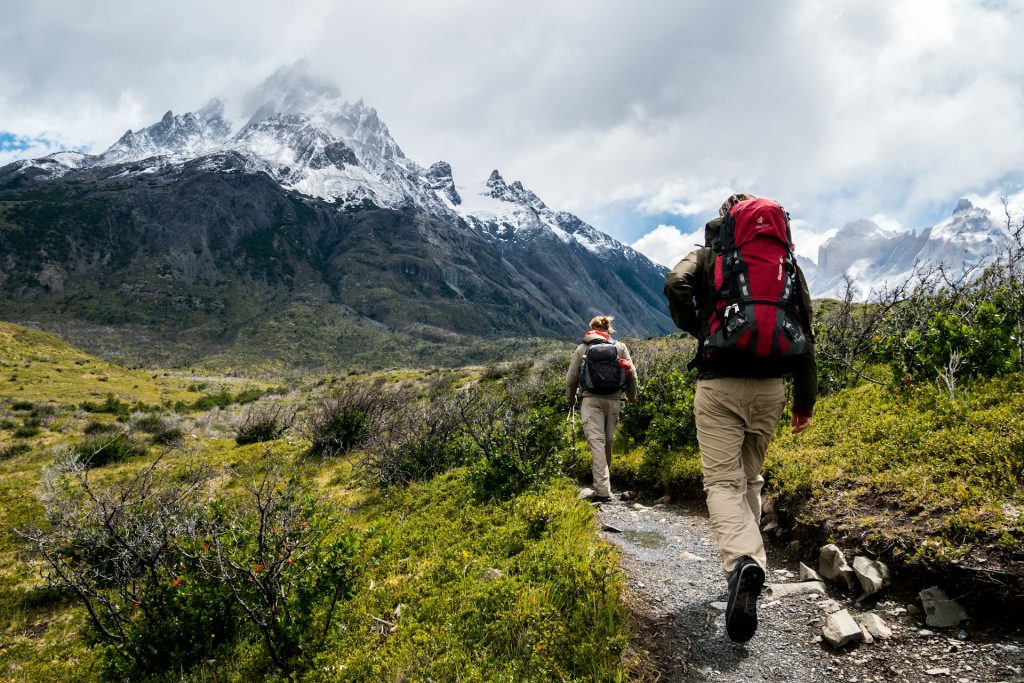
In addition to his extensive background in thrombosis research, avid hiker Charles V. Pollack enjoys leading a physically active lifestyle, one of the best methods of preventing thrombosis and related health conditions. Medical professionals advise all Americans, especially those living with an elevated risk of blood clotting, to stay active and maintain a healthy weight. Unfortunately, as many as one-quarter of Americans qualify as physically inactive, meaning they engage in no physical activities whatsoever outside of work, per the Centers for Disease Control and Prevention (CDC). The CDC also reports that three-quarters of the adult population in the United States does not meet minimum exercise guidelines.
The CDC strongly recommends individuals in the US participate in at least 150 minutes of moderately intense physical activity each week to minimize a range of metabolic health risks. While this might sound like a lot of physical activity for Americans with no exercise experience, it translates to less than 22 minutes of activity every day. While an increased volume of diverse physical activities is ideal, individuals can take a brisk walk or go for a short hike every day to meet CDC guidelines.
Hiking is especially beneficial because it combines the benefits of physical activity with the additional benefits of time spent outdoors and in green spaces. Healthy exposure to sunlight provides the body with much-needed vitamin D. A National Institutes of Health study found that around 42 percent of American adults suffer from a deficiency of vitamin D, which is crucial for immune system performance and bone health. Other benefits of hiking range from improved cardiovascular health to reduced levels of stress. Excessive cortisol (a stress hormone) in the body can have many negative health effects, including impaired sleep cycles.
While hiking provides many mental and physical health benefits, new hikers should follow a few basic tips to avoid making common beginner mistakes. First and foremost, they should avoid hiking alone, especially if they are going somewhere new. Even if hikers are traveling in a large group, they should inform another person of their intended route and times of departure and return, just in case something goes wrong.
On a related note, hikers should bring several items with them, including maps, compasses, and other directional aids. Other important items include a first aid kit, sunblock, and an appropriate amount of food and water.
As mentioned, exceeding the CDC’s guidelines for minimum physical activity provides added health benefits. However, hikers, along with all exercise enthusiasts, should avoid exceeding their personal limits. For example, inexperienced hikers need to build up their stamina and outdoor skills before taking on multi-hour hikes or overnight treks. Taking on an exceptionally difficult trail can potentially result in serious injury.
Finally, hikers should research and prepare for each hike accordingly. A local one-mile hike might provide the ideal workout early in the spring, but hiking on extremely hot days can lead to fatigue, heat stroke, and other health issues. Hikers should also reschedule trips if the weather forecast calls for excessive rain, lighting, or an elevated risk of wildfires.