


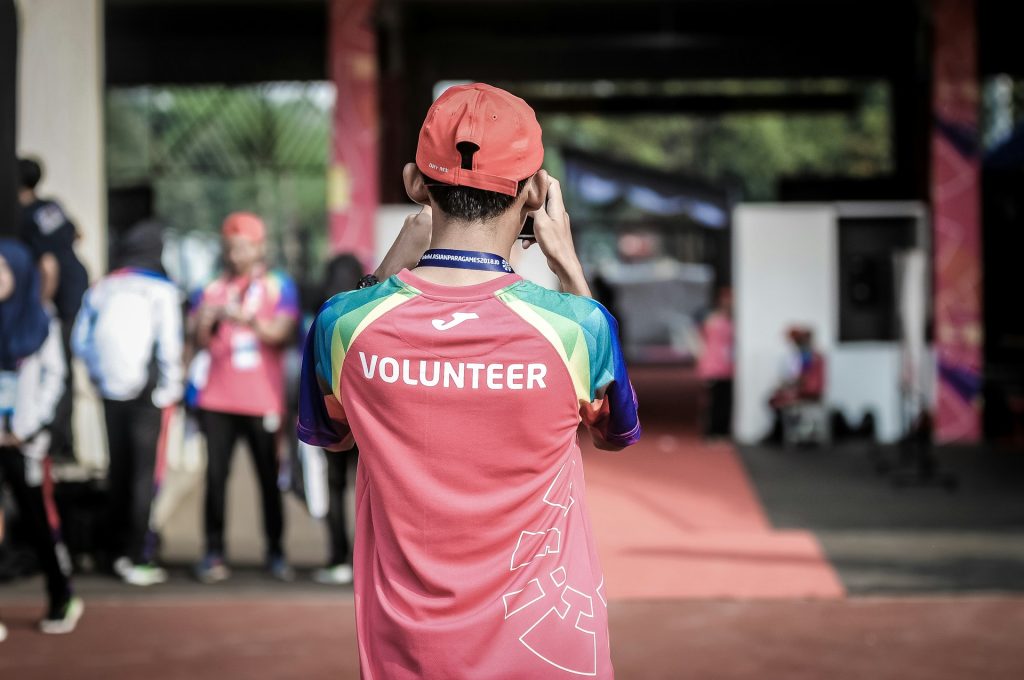

Most people know volunteering helps others. Fewer stop to think about what it does for the person doing it.
David Orazietti knows both sides of that equation firsthand. As former president of Sault College—where he managed a $131 million budget and roughly 600 staff—he still carved out time for community roles: Vice chair of the Sault Area Hospital Board of Directors; member of the ARCH Hospice Board, Algoma University Board of Governors, and the Sault Ste. Marie P.U.C. Board of Directors. The personal benefits of performing volunteer work, he’d argue, are reason enough to start even before you feel ready.
And Canada needs people to start. Volunteerism has dropped nearly 10% nationally, with most people pointing to time as the obstacle. Between 45 and 51 percent of charities say they’re running short on volunteer support. That’s a real gap—and a real loss, for communities and for individuals who don’t yet realize what they’re missing.
Here’s where it gets interesting.
Volunteering is, obviously, a way to meet people. New friends, expanded professional networks, sharper social skills. Families who volunteer together tend to strengthen those bonds too. But that’s just the surface.
The physical and mental health benefits? Genuinely surprising.
Research shows that volunteering reduces measurable symptoms of stress, anxiety, and anger. Animal welfare organizations, in particular, seem to have an outsized effect on mood — there’s something about working with animals that cuts stress in ways other environments don’t. Beyond that, the simple act of staying engaged with other people helps fight depression. Confidence goes up. Older adults who’ve retired or lost a spouse often describe finding a clearer sense of purpose through volunteer roles than they’d felt in years.
Then there’s the mortality data. Studies have found that people who volunteer regularly live longer than those who don’t. For seniors especially, staying active through volunteer commitments — walking, moving, interacting — slows cognitive decline and reduces the risk of high blood pressure, heart disease, and chronic pain.
Not bad for something that doesn’t pay.
Career-wise, there’s upside too. Volunteering builds skills, creates connections, and signals something meaningful to employers and peers alike. And for those already established in their careers, it rounds out a professional life in ways that a title or a salary rarely does on their own.
The personal benefits of performing volunteer work aren’t abstract feel-good claims—they show up in physical health metrics, mental well-being, and longevity. The catch is that most people never discover this because they’re waiting for a less busy season that never arrives.
It doesn’t require a massive time commitment. Finding lower-intensity roles, blocking a few hours a month, or looping in family members all make it manageable.
The question worth sitting with: What’s actually stopping you?