




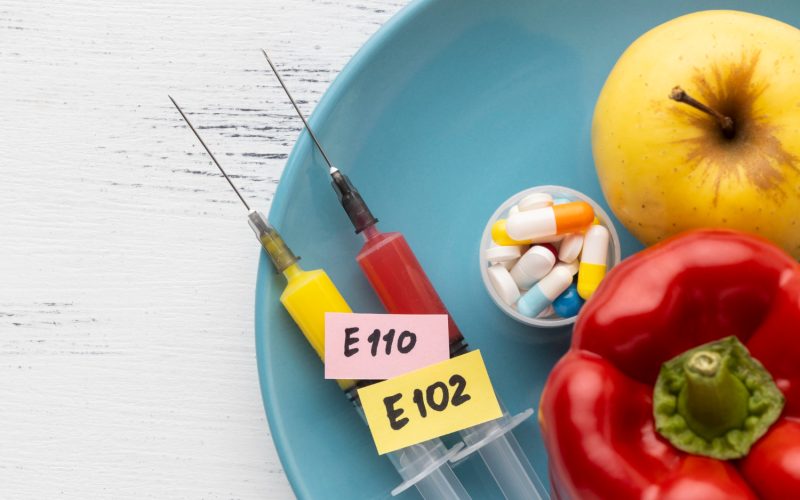

“Let food be thy medicine” was once a wellness retreat buzzword, but now hospital administrators, insurance executives, and legislators are taking it seriously. They don’t have sentimental motivations. They are economical and realistic. Chronic illnesses, especially those like diabetes, heart disease, and high blood pressure, have a startlingly high cost in the US. In situations where medication is insufficient to stop this tide, remarkably effective dietary modifications have demonstrated potential.
The data has changed over the last few years. Stronger clinical trials have linked dietary interventions to quantifiable improvements in health, especially those that are randomized controlled. It isn’t speculative anymore. A1C levels are lower. lower blood pressure. reduced trips to the emergency room. Insurance companies can calculate these results, and they are doing so more and more.
| Category | Details |
|---|---|
| Concept | Food as Medicine — using nutrition to prevent, manage, or treat disease |
| Current Momentum | Backed by rising healthcare costs, new tech, and stronger science |
| Key Tools | AI-driven nutrition plans, wearable trackers, functional food delivery |
| Policy Progress | Medicaid & Medicare integrating food-based health benefits |
| Equity Focus | Programs targeting underserved communities and food-insecure areas |
| Cultural Integration | Includes traditional food systems and Indigenous knowledge |
| Reference | Health Affairs: https://www.healthaffairs.org/doi/10.1377/hlthaff.2024.01343 |
Certain healthcare providers are drastically lowering avoidable hospitalizations by providing medically customized meals or grocery stipends. Medicaid waivers and Medicare Advantage plans are helping to mainstream these programs, which were previously experimental niches. Several states now provide public insurance funding for meal delivery and prescriptions for produce as a clear sign of their commitment.
In addition to the science, the infrastructure has also changed. We’re moving into a time when dietary recommendations are more precisely tailored to each person’s metabolism, genetics, and health objectives in addition to general dietary guidelines thanks to wearable technology, food tracking applications, and AI-powered platforms. It’s similar to having a sleep-deprived, astute nutritionist who modifies your meal plan as quickly as your blood sugar levels change.
These platforms provide a level of precision that traditional diets do not by utilizing real-time data. Not only is this level of specificity beneficial for patients who are managing multiple conditions, such as obesity and kidney disease. It is crucial.
A doctor described a patient whose medication list had tripled in five years at a public health panel I once attended. However, in just six months, their medication load was reduced by more than half after taking part in a “Food Is Medicine” pilot. The physician wasn’t advocating for a miracle. She was explaining a procedure that had its roots in groceries rather than prescription drugs.
The fact that our current healthcare system treats symptoms but not soil is being quietly acknowledged, but it is becoming more widespread. The Food as Medicine approach, on the other hand, looks at the underlying causes—poor nutrition, limited access, and cultural differences—and attempts to address them.
It’s interesting that this change isn’t just focused on the future. It draws from the past as well. Long-term health and soil preservation were given top priority in the nutrient-rich, sustainable farming methods used by many Indigenous communities. This is what proponents like Debra Krol and Denisa Livingston call “ancestral intelligence.” Healthcare executives are being reminded that there are already food systems rooted in community and culture; they have just not been included in the clinical toolbox.
Companies like Yolélé Foods are reintroducing ancient grains like fonio, a nutrient-dense, drought-resistant crop indigenous to West Africa, through strategic partnerships. However, they are doing so in a way that directly benefits farmers and maintains local control. Fonio’s rise is being planned as an equitable model rather than a repeat of the quinoa boom, where exporting nations saw little profit. The way it strikes a balance between tradition and technology is especially inventive.
Public institutions are aligning in tandem with this cultural integration. Initiatives to investigate Food as Medicine interventions at scale have been started by the American Heart Association and the Rockefeller Foundation. Instead of idealizing food, they want to measure its effects and demonstrate the clinical and financial viability of nutrition interventions with statistical confidence.
This study is crucial. Policymakers and payers require data, even though anecdotal successes are encouraging. These initiatives must prove that food is a valid form of healthcare rather than a luxury if they hope to receive funding across the country, not just in wealthy states or progressive cities.
This distinction is important for low-income communities. Fast food is common in many zip codes, but fresh produce is expensive and scarce. We are starting to address a structural imbalance that has long penalized people more for their ZIP code than their choices by incorporating food benefits into health coverage.
Healthcare providers’ interest has significantly increased since these initiatives were introduced. Patients are now connected to grocery services by clinics that used to distribute pamphlets. Meal plans are being consulted by pharmacists. Additionally, patients report feeling more than just treated in certain pilot programs.
However, difficulties still exist. What constitutes a Food as Medicine intervention is not defined nationally. Results are difficult to compare in the absence of consistency. Full, prepared meals are provided by certain programs. Gift cards are given by others. It is challenging to monitor efficacy or quantify impact due to the variability.
The path of travel is evident, though. Food is increasingly viewed as a foundation rather than an adjunct. A low-risk, low-cost intervention that has far-reaching consequences. Eating healthier increases vitality, mental clarity, and even social engagement in addition to lowering disease. Benefits become shared when patients prepare meals, eat together, and recover together.
From this perspective, food is more than just fuel. It’s concern. It’s cultural. It’s command. Additionally, compared to expensive prescription drugs and late-stage treatments, it is remarkably inexpensive. According to certain research, every dollar invested in prevention can save $3 to $5 in medical expenses. It’s fiscal logic, not fringe advocacy.
More AI-guided nutrition tools, more insurance-covered food prescriptions, and increased cooperation between farmers, chefs, and hospitals are all expected in the upcoming years. The upcoming phase is not theoretical; it is actually taking place.
Even though not all of the initiatives will be successful, the overall trend is clearly encouraging. We are gradually changing the future of healthcare by rethinking food as a therapeutic tool and developing systems to deliver it intelligently and fairly.