




There was no catchphrase or celebrity endorsement to signal the shift. It came gradually through tiny decisions made every day, the way habits develop covertly, like a swarm of bees constructing a complex structure without ever congregating in one obvious location.
Status used to live comfortably in material possessions. Arrival was notified by cars. Taste was suggested by watches. Square footage suggested success. Even though those identifiers are still in use, they seem strangely flattened, readily replicated, and rapidly replaced.
| Context | Details |
|---|---|
| Core idea | Health, longevity, and mental clarity increasingly signal success more than possessions |
| Cultural shift | Movement from material displays toward sustained well-being and self-care |
| Key drivers | Pandemic awareness, burnout fatigue, science-backed wellness access |
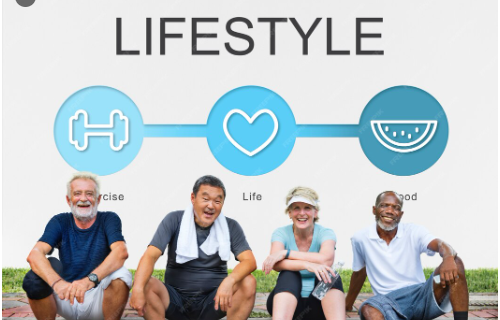
| Common signals | Fitness discipline, sleep quality, nutrition choices, emotional regulation |
| Economic reality | Wellness often requires steady time and financial investment |
Their replacement is slower and far more difficult to impersonate. a body that is easy to maneuver. Skin that says sleep instead of plan. concentration that lasts past noon without the use of drugs. It is consistency, not transactions, that gives rise to these attributes.
This change was sped up by the pandemic in ways that are still apparent. Health became immediate rather than theoretical. People started to take sleep, heart rates, and steps as seriously as they used to take bank balances.
Priorities shifted as routines broke down and were reestablished. Commutes were substituted by kitchens. Meetings were replaced by walks. Many found that their sense of control was more closely linked to how their bodies reacted to stress than to productivity.
Spending trends provided a clear narrative. Funds went to recovery aids, therapists, dietitians, and exercise centers. Durability was the focus, not luxury. People desired long-lasting systems.
Once more, discipline was evident, but in a different way. as structure rather than as a form of punishment or denial. Nowadays, a healthy physique is a symbol of perseverance and patience—the capacity to put in work without expecting instant results.
Access is important. There is a significant but frequently invisible cost associated with wellness. Personal training sessions, organic food, supplements, mental health assistance, and monthly gym fees all subtly add up to sums that were previously associated with luxury buying.
A week’s worth of nutritious food deliveries used to cost as much as a fancy supper in many cities. Regular attendance is considered a privilege due to the high demand for Pilates and yoga classes. In reality, health becomes a goal.
Social media spreads the word. Morning habits are meticulously recorded, much like lab notes. Sleep scores are distributed like awards. Breathwork sessions and cold plunges are as commonplace as fashionable accessories used to be.
These wellness displays bear a striking resemblance to earlier kinds of conspicuous spending. Both promise change. Both imply authority. The distinction is that longevity, as opposed to awe, is the result.
In this new order, time is at its core. the freedom to exercise regularly, get eight hours of sleep, and unplug without facing repercussions from one’s employer. No object could ever convey autonomy as clearly as these decisions do.
Additionally, mental health is now a visible indicator. Boundaries, self-awareness, and emotional control are valued qualities. Burnout is no longer as romantic as it once was.
Ambition is not rejected by this change. It is reframed. Relentless output is no longer as important as sustained performance. Recuperation is just as important as effort.
The movement has gained legitimacy thanks to science. Functional medicine, data-driven training, and personalized diagnostics provide the impression that wellbeing is engineered rather than ambiguous. Metrics take the role of speculation. Progress starts to be quantifiable.
Silently, technology does its part. Wearable technology consistently monitors movement, stress, and sleep. Instead of shouting, the data builds up and shapes behavior through feedback rather than terror.
Beneath the optimism, however, there is worry. Health runs the risk of turning into performance when it becomes a status symbol. Rest may seem like a duty. Self-surveillance can flow from self-care.
However, the wider recalibration seems essential. People were rewarded for years for disregarding their bodies in favor of productivity. Later on, the effects showed up in clinics and prescriptions. The goal of this new hierarchy is to flip that equation.
The most striking thing is how subtle the signals are. No logos. There are no evident price tags. Simply energy, posture, and a relaxed demeanor that conveys choice rather than flight.
In this sense, health is more about capacity than it is about perfection. the capacity to completely manifest. to recuperate rapidly. to keep going without stopping.
It conveys a subtle yet potent message. Not that life is simple, but that it is being purposefully handled.
Durability is the source of hope. Trends wane. Technology ages. Habits build up over time. Perhaps a culture that prioritizes sustainability over spectacle is now addressing its own fatigue.
The status has not vanished. It has insidiously gone inward, where it is more difficult to counterfeit and erodes more slowly, as people go about their daily lives.