


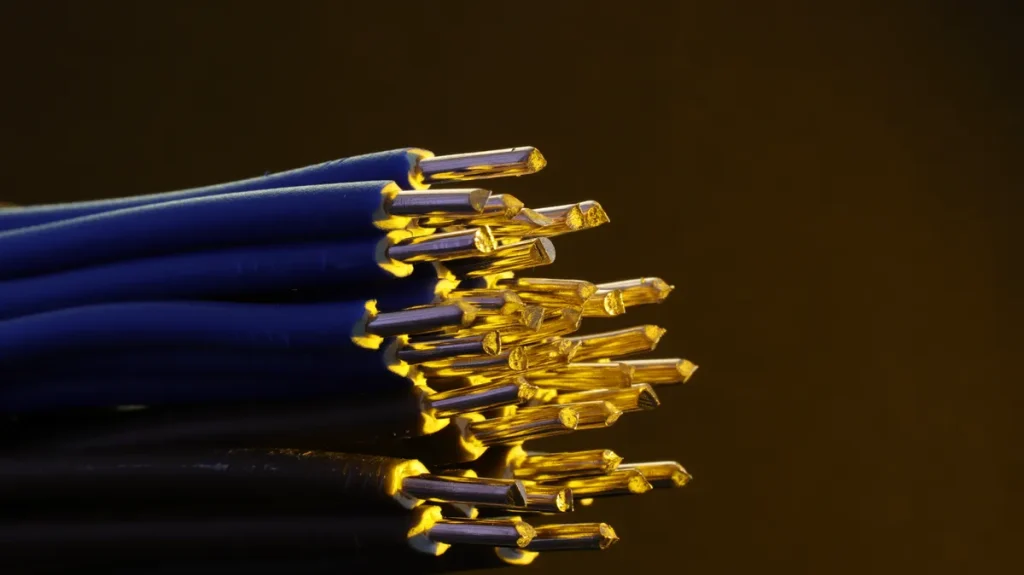

The BT copper recycling windfall has grown from a useful sideline into something that looks very much like a strategic asset: the telecoms group is now on track to extract more than £2bn from selling off the old copper network it is dismantling, as artificial intelligence infrastructure and the global energy transition push the metal’s price to record highs.
Copper hit its highest-ever closing price of $14,294 a metric tonne recently, close to the record intraday high of $14,500 reached earlier this year. In the year BT first reported a copper haul, the average price was around $8,500 a tonne. That is a near-doubling in the space of just a few years, and BT is sitting on a very large pile of the stuff.
Record Haul Drives BT Copper Recycling Windfall Higher
In the year to the end of March 2026, Openreach recovered nearly 10,000 tonnes of copper from its legacy network. BT’s sustainability page puts the figure at over 9,200 tonnes recycled back into the global supply chain, while BT’s chair of Openreach, Mike McTighe, cited 9,147 tonnes in the company’s latest annual report. The small discrepancy reflects two different official BT sources; either way, the haul is almost three times the 4,300 tonnes the group recycled in FY2024, as recorded in the BT Group Annual Report 2024.
McTighe was candid about the timing. ‘We recovered even more copper cabling,’ he said. ‘Removing 9,147 tonnes from our network for recycling at a time when global demand has never been higher.’
BT has now received two large upfront prepayments under its forward sale agreement with EMR, the UK’s largest cable granulation company. The first, £105m, came in 2024; the second, £99m, followed in FY2026. Data Center Dynamics reported that the initial deal involved BT agreeing to sell copper granules created from surplus cables. Each forward agreement covers the delivery of around 20,000 tonnes over a four-year period, and neither includes revenue BT may choose to take by selling copper on the spot market in any given year.
The contract with EMR, which initially runs until 2028 and was described in the BT Group Annual Report 2025 as involving a leading bank alongside EMR, covers only a portion of what Openreach expects to recover in total. The subsidiary has said it expects to strip up to 200,000 tonnes from its network as the full-fibre rollout runs through the 2030s. The total haul since the programme began in 2023 stands at 22,347 tonnes.
Why Copper’s Supply Crunch Is Getting Worse
The structural backdrop is what makes the £2bn-plus figure credible rather than optimistic. An earlier estimate, when copper prices were lower, put the value of BT’s expected total tonnage at £1.5bn. At current prices, that same copper is worth substantially more.
The demand side of the equation is accelerating. S&P Global’s January 2026 study, ‘Copper in the Age of AI’, projects global copper demand growing from 28 million metric tons in 2025 to 42 million metric tons by 2040, with a potential supply shortfall of 10 million metric tons by 2040 if investment and new mine permitting do not accelerate. That is a materially more stretched picture than S&P Global’s 2022 study, which had already warned of near-doubling demand to around 50 million metric tons by 2035. The 2026 numbers are revised downward on that headline but the supply gap logic is, if anything, tighter.
AI datacentres, renewable energy build-out and electrification are all copper-hungry. Openreach’s recycled product is high-grade, which gives it a specific advantage in a market where new mine supply is constrained and refining capacity is finite.
Abby Chicken, head of sustainability at Openreach, put it plainly: ‘Copper has become one of the most strategic materials in the modern economy. As we connect the nation to more reliable full fibre, we’re able to retire parts of the legacy network that are no longer needed. Recovering and recycling that copper is the right thing to do. It reduces waste, supports the UK’s energy transition towards renewables and helps keep a critical resource in circulation at a time when growing demand is putting pressure on global supply chains.’
The rising price has one uncomfortable corollary. Copper theft from Openreach’s network, railway infrastructure and windfarms has increased alongside the metal’s value. Openreach did report a 30% fall in cable theft in 2024, which it attributes to deploying synthetic DNA and UV tracers under the SelectaDNA system across accessible parts of the network. Underground cables, however, cannot be treated the same way, and thefts continue.
The investment case for the recycling programme does not depend on copper staying at record highs. Even at prices well below today’s levels, 200,000 tonnes of high-grade copper represents a very large number. The question for BT is how quickly it can accelerate the strip-out, and whether forward sale agreements continue to capture enough of the upside as spot prices climb. The next prepayment figure will be watched closely.
