




By Mia Martin
South Florida is not a place that makes writing easy.
Mia Martin will tell you this directly, and she’ll say it with a kind of affection that makes clear she wouldn’t trade it. The heat, the light, the relentless present-tenseness of a region that seems constitutionally allergic to introspection — these are not obstacles she has learned to work around. They are, she says, the conditions that shaped her voice.
“There’s no melancholy infrastructure here,” Martin says of the region she calls home. “No gray November light, no long winters to think in. If you want to write seriously in South Florida, you have to create your own interior weather.”
That phrase — interior weather — captures something essential about how Martin approaches her work. For her, writing has never been primarily about external observation, though she is a careful observer of the world around her. It is about the harder project of rendering what happens inside a person — the contradictions, the resistances, the slow movements of thought that rarely announce themselves and almost never resolve cleanly.
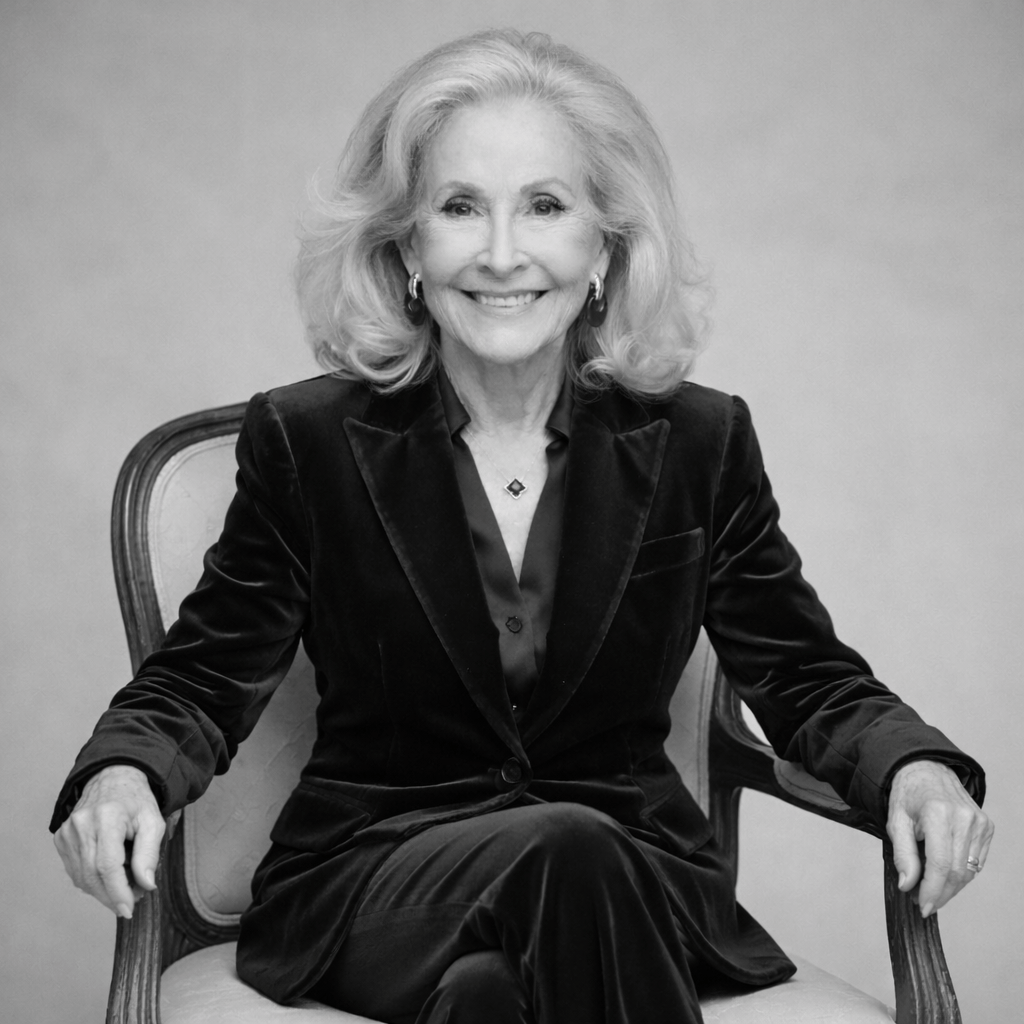
She describes her early years as a writer in South Florida as a process of learning to take her own experience seriously. The region tends to be treated in literature as backdrop — a setting for crime novels, vacation thrillers, stories about transplants reinventing themselves. Rarer is the South Florida fiction that concerns itself with the inner lives of people who have simply decided to stay.
That gap became, in part, an invitation.
Martin writes at home, usually in the early hours before the day accelerates into its South Florida version of itself — which is to say, loudly and in several directions at once. The quiet of early morning is not serene, she notes, but it is hers. The trade-off of living somewhere vibrant is that solitude requires a certain deliberateness.
Her relationship to South Florida as a writer is neither romantic nor cynical. She does not write about it the way a visitor would, reaching for the palms and the neon and the hurricane seasons. She writes about it the way a person writes about something they have had to think hard about in order to love honestly.
“Place isn’t background,” she says. “Place is pressure. It acts on characters. It shapes what they want and what they can’t have. The best thing South Florida ever gave me as a writer was an insistence on the present. Everything here exists right now. You learn to write in the present tense, emotionally, even when the grammar says otherwise.”