


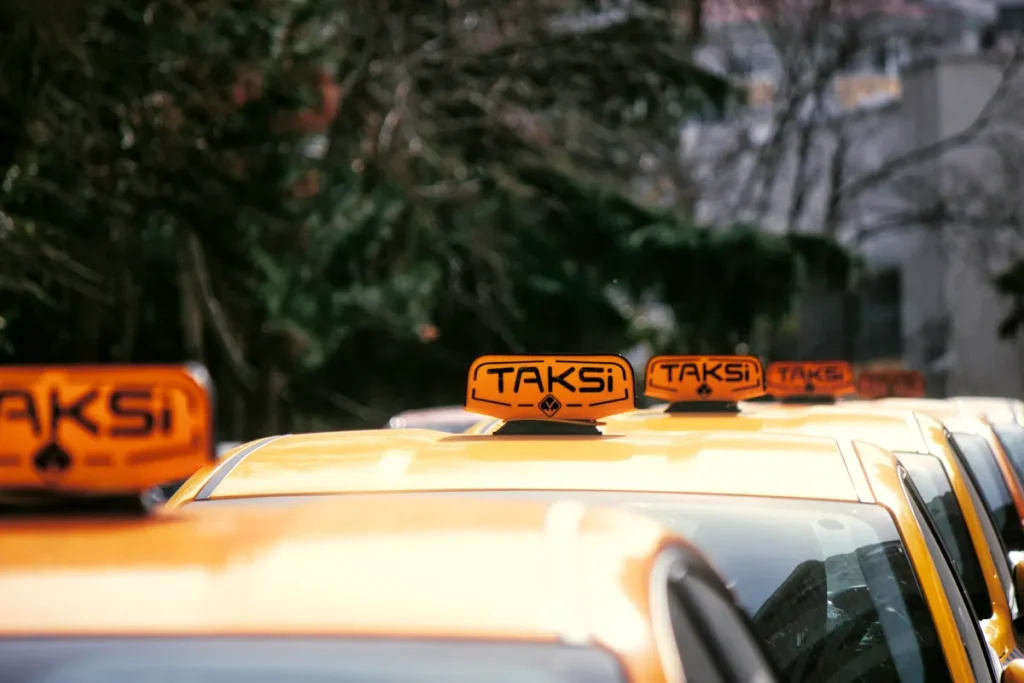

North Tyneside taxi fares could rise by 8% after the North Tyneside Hackney Carriage Association (NTHCA) formally urged North Tyneside Council to approve the increase, citing soaring fuel costs and the broader cost of living as the drivers’ main pressures.
The proposal applies only to hackney carriages (the cabs you can hail on the street or at a rank) not to pre-booked private hire vehicles. According to the snippet, the increase would bring the average cost per mile to £5.52 for a three-mile journey.
For context on what that means in concrete terms, ChronicleLive reports the per-mile average would rise from £3.63 to £3.86, with the flag fee increasing from £2.50 to £2.60.
The Case for North Tyneside Taxi Fares Rising
The NTHCA’s argument is not unreasonable. Fuel prices and vehicle parts costs have moved sharply upward, and that squeeze has been building for some time. This is not a trade looking for a windfall; it is one trying to recover ground it has already lost.
The current tariff structure, which North Tyneside Council’s taxi ranks and tariffs page shows took effect on 11 November 2024, sets the flag fee at £2.40 for the first 161.3 yards or 46.8 seconds, with each subsequent unit charged at £0.25. That structure is now the baseline from which the 8% rise would be calculated.
This is also not the first time the council has had to confront fare pressure. A 2024 hackney carriage fare review considered a 6.3% rise, equating to an average per-mile cost of £3.86 at the time, with standard mile rates proposed to move from £2.22 to £2.33. The fact that drivers are back at the table, this time asking for 8%, suggests that earlier round did not fully address the underlying cost pressures.
Where the Council’s Reservations Lie
Labour councillor John O’Shea has put the counterweight position plainly. ‘I just don’t think we have got the right balance,’ he said. ‘I notice that the taxi trade has had significant uplifts in fuel and insurance and things like that, so they’ve been suffering for a little while.’
He acknowledged the drivers’ position, then immediately framed the other side: ‘There are residents in North Tyneside who have been suffering as well with the cost of living.’ His suggestion to the director of public health was to seek ‘a balanced arrangement, not the 8% that has been suggested.’
Concerns have focused particularly on elderly residents, a group that depends disproportionately on hackney carriages and has limited ability to absorb higher fares.
O’Shea is not wrong to push back. But ‘balanced arrangement’ is a phrase that can mean almost anything, and the risk of kicking this into a prolonged negotiation is that drivers continue operating under a tariff that does not reflect their actual running costs.
Beyond the headline rate, the proposals also include adjustments to extra charges. The soiling charge would rise from £125 to £130, and the charge for dogs and other animals (service animals excepted) would increase from £3 to £4. Those figures are confirmed against the current schedule published by North Tyneside Council, which lists the soiling charge at £125 and the animal charge at £3.
The proposed changes, pending sign-off from the director of public health, must be made public for at least 14 days and are open to objections from the public during that window.
My read is that the council is going to land somewhere below 8%. The political optics of approving the full ask, in a borough where cost-of-living pressure is acute, are too difficult for councillors who have to face residents at the ballot box. But the driver community has a legitimate grievance, and a token below-inflation offer risks pushing reliable operators out of the trade entirely, which helps no one, least of all the elderly residents O’Shea is concerned about.
The director of public health’s decision, and the public consultation period that follows, are the next concrete events to watch. If objections are substantial, the timeline could extend further before any new tariff takes effect.
