


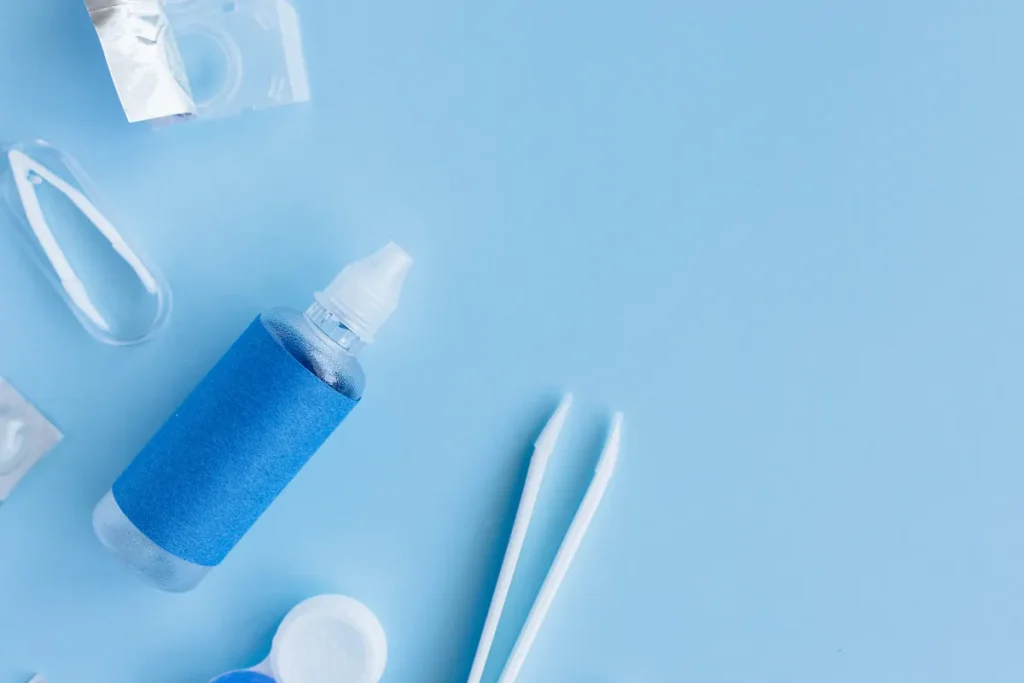

A Clear Eyes drops recall covering 39,060 bottles of Maximum Itchy Eye Relief has put the Food and Drug Administration (FDA) on alert over a sterility problem that, so far, has harmed nobody, but that sits awkwardly against the backdrop of its manufacturer’s broader eye-care ambitions.
Prestige Consumer Healthcare, a subsidiary of Prestige Brands Holdings and the parent of distributor Medtech Products Inc, initiated the voluntary recall on 29 July 2026. The FDA updated its classification to a Class II recall on 14 August 2026, according to Ophthalmology Times.
A Class II designation means the FDA judges the product to pose a moderate risk: use of or exposure to it ‘may cause temporary or medically reversible adverse health consequences,’ with serious consequences considered remote. It is not the agency’s most urgent category, and as of publication, no adverse events have been linked to this lot.
What the Clear Eyes Drops Recall Actually Covers
The problem is not that contamination has been confirmed. Rather, the manufacturer cannot assure that the drops are free from bacteria or fungi. That distinction matters: an FDA enforcement report cites a ‘lack of assurance of sterility,’ not evidence of active contamination. It is a process and documentation failure, not a proven health event, yet.
The recall covers 15ml bottles carrying lot code 2552A and an expiration date of 30 September 2027. The FDA assigned recall number D-0766-2026 to the action, and the product carries NDC 67172-999-01, according to Dolman Law’s recall summary.
Consumers who bought the product at Walmart, Target, Kroger, Giant Eagle, Meijer, Dollar General, Family Dollar, CVS, or Walgreens, Fox Business confirmed the two pharmacy chains were also stocking the line, should stop using the drops immediately and return them for a full refund. Anyone with concerns about effects from the product should consult a pharmacist or healthcare provider.
Sterility Standards and the Pillar5 Acquisition
The timing of the recall is, at minimum, inconvenient for Prestige. StockTitan, citing a Prestige Consumer Healthcare Form 8-K, reports that a wholly owned indirect subsidiary of Prestige entered into a definitive share purchase agreement to acquire Pillar5 Pharma Inc., described as a leading sterile ophthalmic manufacturer and the current supplier of Clear Eyes products, from ANJAC SAS. The deal is subject to closing conditions and is intended to expand the company’s eye-care production capacity.
That context gives the recall a sharper edge. Prestige is in the process of buying the very facility that makes Clear Eyes, apparently to gain greater control over the supply chain. A sterility assurance failure in the interim period (before that control is formalised) is precisely the kind of quality-management gap the acquisition was presumably designed to close.
My read is that this recall is not a crisis. No injuries, no confirmed contamination, a moderate FDA classification. But the juxtaposition of a sterility complaint against a backdrop of acquiring a sterile ophthalmic manufacturer raises a reasonable question: how long has the oversight gap existed, and did it contribute to the strategic decision to buy the supplier outright?
How the Clear Eyes Recall Compares with Past Incidents
Eye drop recalls have occasionally carried far graver consequences. In 2023, the FDA recalled EzriCare Artificial Tears after they were linked to an outbreak of Pseudomonas aeruginosa, a drug-resistant bacterial contamination that resulted in one death, injuries to 68 people, and, in a small number of cases, surgical removal of the affected eye. That was a Class I situation with confirmed casualties.
The Clear Eyes action sits well below that threshold. Class II, no reported adverse events, and a lot-specific scope of fewer than 40,000 units. If Prestige handles the return process cleanly and the Pillar5 acquisition proceeds on schedule, this episode will likely be a footnote. The acquisition closing date is the figure worth watching: until Prestige controls its own sterile manufacturing, it remains exposed to exactly this kind of supplier-side assurance failure.
