


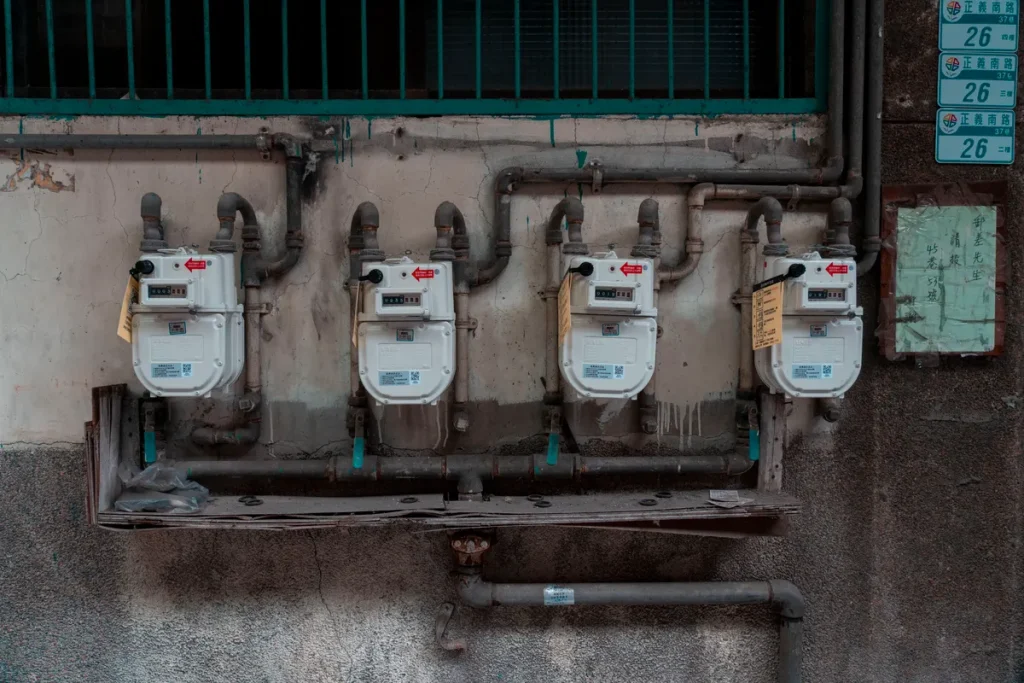

The household energy debt crisis in Britain has reached a scale that can no longer be addressed with incremental measures. Depending on which definition of debt you use, the numbers are either alarming or catastrophic: Ofgem’s own debt and arrears data puts total household energy debt at £4.43 billion as of Q2 2025, up 71% since 2023, while the End Fuel Poverty Coalition notes that figure is more than three times the pre-crisis level of £1.45 billion recorded at the end of 2020. The £6 billion figure cited by The Guardian and industry body Energy UK uses a broader definition of debt; the two sets of numbers track different things, but both point in the same direction.
And the direction is up. Industry group Energy UK warned in February that without urgent intervention, total energy debt could surpass £7 billion by the end of 2026. That warning now looks prescient.
The Price Cap Offers No Comfort
The bills themselves are the obvious pressure point. Ofgem raised the energy price cap by 13% for July to September 2026, bringing it to £1,663 per year for a typical household. According to MoneySavingExpert, it rises again on 1 October 2026, by a further 3.6%, to £1,723. That October figure is a three-year high and it lands at precisely the point when households start heating their homes for winter.
The BBC reports that domestic energy bills are now around 70% higher than the pre-crisis norm that existed before Russia’s full-scale invasion of Ukraine in 2022. Andy Burnham’s decision to remove VAT from electricity bills from October was a genuine step. But a 3.6% cap rise absorbed it almost entirely before it could do any good.
Inside those headline figures sit some sobering specifics. Ofgem’s own debt and arrears indicators show that by the end of Q1 2026, the average electricity debt for customers on a repayment arrangement had risen 12% year-on-year to £828, with gas debt up 11% to £679. Nearly three quarters of total debt belongs to customers with no repayment plan at all.
The Household Energy Debt Crisis Cannot Wait for Net Zero
The government’s long-run answer is correct: completing the shift away from fossil fuels ends Britain’s exposure to the geopolitical shocks currently driving prices. Energy secretary Miatta Fahnbulleh is right to keep saying so. But correct long-run answers provide no comfort to a household that cannot pay its October bill.
The support structures that exist are dangerously inadequate. The Warm Home Discount stands at £150 per year, having risen by just £10 since it was set at £140 in 2011. The government has extended the scheme through to 2030/2031, which is welcome, but the discount’s real value has been eroded by the same bill inflation it is meant to offset.
Meanwhile, Citizens Advice CEO Dame Clare Moriarty has warned that the Energy Debt Relief Scheme, designed to provide targeted relief for households in arrears, has been ‘struck by delay after delay.’ As she put it, the government must not ‘let people drown in the last wave before the next one arrives.’ The January spike predicted if market volatility continues would constitute exactly that wave, and the scheme designed to help is not ready. That is not a presentational problem; it is a policy failure.
Energy UK’s debt analysis also reveals a structural injustice built into the billing system itself. All households are currently paying an extra £50 a year on typical dual-fuel bills via a debt allowance built into tariffs to cover suppliers’ bad debts. Standard credit customers pay around £140 extra on top of that. People who pay on time, and who are not in debt, are subsidising a debt pile that the system helped create.
Gordon Brown has suggested that emergency resilience funds for local councils could be financed through a new betting and gaming tax. The TUC has proposed a windfall tax on banks to fund a social tariff. The Burnham government need not adopt either proposal wholesale, but it needs to adopt something with equivalent ambition. Research cited in the original Guardian editorial suggests low-income households spend three times more of their net income on environmental levies than wealthier ones, which makes it hard to defend a bill-heavy approach to green financing at a moment of acute pressure.
The political case for urgency is straightforward: the Conservatives and Reform UK are already using high energy costs to argue against net zero. The best answer is not to slow the green transition but to make its short-term costs visibly fairer. Absent that, the January cap decision becomes the moment that tests whether Burnham’s ‘breathing space’ pledge was a commitment or a slogan.
