



Asia stock markets slide this week under the weight of a memory chip shortage that is now rewriting the price tags on consumer electronics and forcing investors to ask harder questions about AI valuations. At the centre of the turbulence: South Korea’s KOSPI, which triggered a Level 1 circuit breaker at around 12:10 p.m. local time on Friday after falling more than 8% from the previous session’s close, according to Yonhap News Agency.
Under Korea Exchange rules, a Level 1 halt requires the index to have dropped 8% or more for at least one minute, suspending all trading for 20 minutes. The KOSPI ultimately closed 5.8% lower. Friday’s halt was the third time the circuit breaker has been triggered this week and the fifth such event this year.
That frequency alone tells you something about where sentiment stands. Just a week before this selloff, Bloomberg reported the KOSPI was approaching the 9,000-point milestone, having surged more than 200% over the past year on the back of the AI frenzy. The unwind, when it came, was steep and indiscriminate. Small-cap trading on the Korean exchange was suspended entirely during the afternoon session, and leveraged bets likely compounded the volatility, Bloomberg noted.
Asia Stock Markets Slide as Memory Chip Costs Cascade Through Hardware
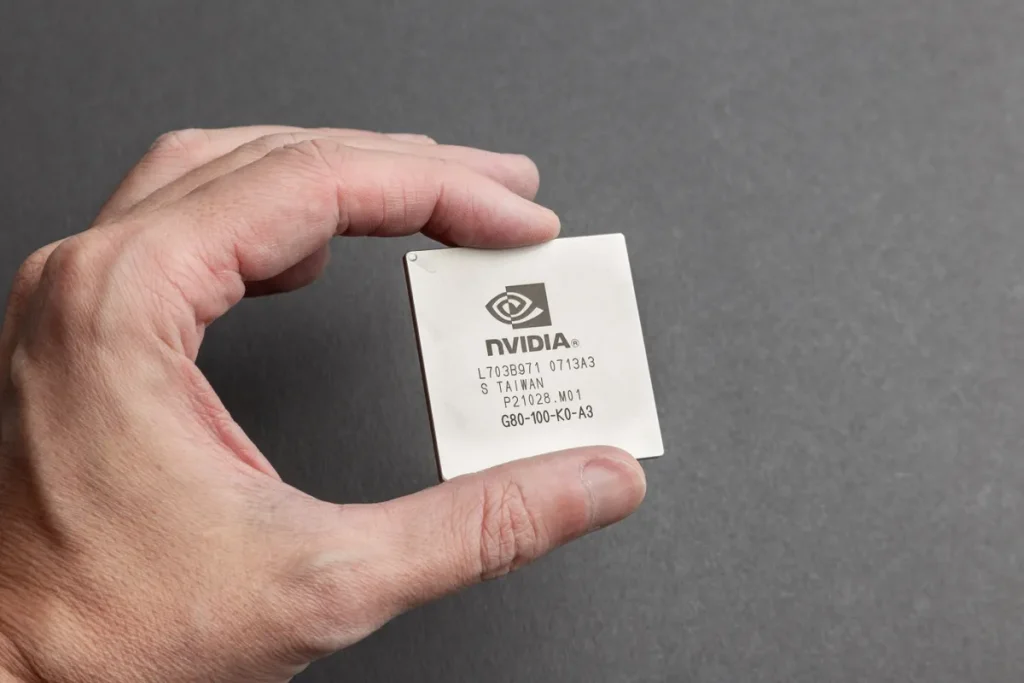
The proximate cause is a chip supply crunch that has been building for months. Reuters reports that memory makers such as Micron have been prioritising orders from AI chipmakers like Nvidia, earning record profits in the process but leaving consumer electronics manufacturers short of supply. Apple and Microsoft are now passing those costs on.
Apple said it would raise prices on certain MacBooks and iPads by up to $300, according to CNN. The MacBook Neo rose from $599 to $699, the cheapest iPad climbed from $349 to $449, and the iPad Mini received a $100 increase to $599. The iPhone was excluded from the hikes.
Apple’s explanation was direct. In a statement shared with CBS News, the company said: ‘We have never seen a component price increase this much, this quickly,’ adding that it could no longer afford to insulate consumers from mounting memory and storage chip costs. Microsoft compounded the pressure by announcing Xbox console price increases from 1 August, citing storage and memory costs that have more than doubled, with a further doubling expected by autumn 2027.
On Thursday, Apple shares dropped 6% in the US, their largest single-day fall in more than a year. Microsoft fell too. In Asia on Friday, Japan’s Nikkei 225 closed more than 4% lower as SoftBank shed 12.5%. Taiwan and mainland China indices were also sharply lower.
Selective, Not Sceptical: What the Selloff Actually Signals
I’d resist the framing that this is a straight AI reckoning. It is something more precise than that.
David Makaryan, senior partner at Alpha Pacific Group, put it well: ‘The long term investment case for AI remains compelling, but investors are becoming far more selective about which companies can justify the valuations the market has assigned to them.’
That is a different proposition from a bubble bursting. Selectivity implies survivors, not collapse. The companies that can demonstrate a credible path from AI investment to revenue will be repriced upward; those running on narrative alone will not.
Raymond Woo, analyst at Kyoto University Innovation Capital, pointed to a related pressure. The high cost of commercialising AI tools is gradually being passed on to consumers, he said, which ‘naturally raises questions’ about how quickly demand for such tools will match the investment already committed, and whether today’s tech valuations are realistic.
That question is now embodied in the chip supply chain itself. When Micron prioritises Nvidia over Apple, and Apple responds by raising iPad prices by $100, the cost of building AI infrastructure is not abstract any more. It is showing up in household purchase decisions. Whether that demand destruction is temporary, a function of a transient shortage, or something stickier will determine whether Friday’s circuit breaker looks, in retrospect, like a correction or a turn.
