


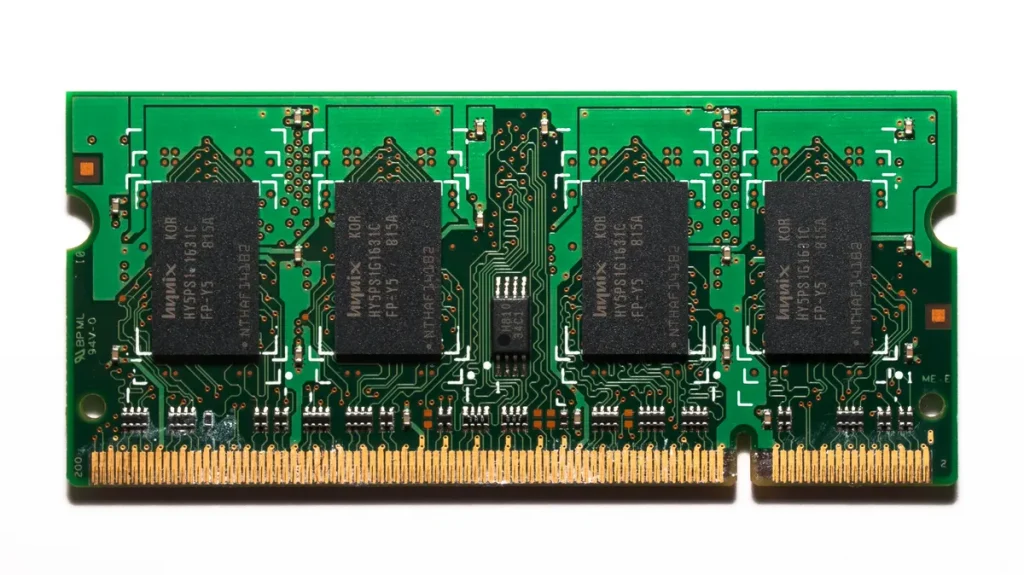

Samsung Electronics‘ AI chip profits have surged to their highest ever quarterly level, with the South Korean giant guiding for operating profit of approximately 89.4tn won (£43.6bn; $58.4bn) in the three months to the end of June, a 19-fold increase on the same period a year ago.
That is a third consecutive record quarter. At some point you have to stop calling these records and start calling them the new normal.
Samsung AI Chip Profits and the Memory Supercycle
The guidance, released on Tuesday ahead of full results due on 30 July, points to quarterly sales of approximately 171tn won, according to Samsung’s official earnings guidance. For context, Samsung’s Q2 2025 consolidated sales came in at 74.57tn won, according to SemiWiki citing the preliminary guidance. That means revenue has more than doubled in a single year. More than doubled.
Marc Einstein, industry analyst at Counterpoint Research, described the result as one of ‘the best quarterly performances ever’, placing it close to the tech sector record set by Nvidia earlier this year. His explanation is blunt: ‘This has everything to do with the AI boom as memory companies continue to ride a tidal wave driven by limited supply and unprecedented demand.’
I think Einstein is right, but I’d add a sharper frame. This is not a demand spike that corrects when the next product cycle ends. The structural shift in how data centres are built, and what they require in terms of high-bandwidth memory, has fundamentally altered the economics of the memory business. Samsung and SK Hynix are not beneficiaries of a passing fashion. They sit at a chokepoint in global AI infrastructure.
Bryan Ma, tech devices researcher at IDC, reinforced the supply side of that argument. Demand for semiconductors in data centres has been ‘different from anything the memory industry has navigated’, and Ma added: ‘We do expect supplies to be tight through next year given the unabated demand from AI data centres.’ Samsung has been raising prices into that tightness, which is precisely what a company with pricing power does.
The Stock Move That Tells a Different Story
Shares in Samsung fell more than 8% in Seoul on Tuesday. That number jars against the headlines about record profits, but it is not contradictory. Markets price expectations, not outcomes. Some investors had positioned for an even larger beat, and when it did not arrive, they sold.
The broader picture for Korean equities has been far more volatile than the year-to-date Kospi gain of more than 80% implies. In late June, Bloomberg reported the Kospi dropped 10% in a single session, with both Samsung and SK Hynix sliding more than 12% before the Korea Exchange implemented a 20-minute trading suspension. Separately, CNBC reported that Goldman Sachs analysts found foreign investors had offloaded approximately $62bn of South Korean stocks as of late May, with the bank attributing the selling to ‘outflows for Kospi Tech and Auto.’
That tension between record corporate earnings and persistent foreign selling deserves more attention than it gets. It suggests a constituency of global investors who believe Korean chip stocks have priced in more than the cycle can deliver, even at current demand levels. They may be wrong. But they are not irrational.
SK Hynix, Samsung’s closest domestic rival, has seen its market value jump more than 200% this year, a gain that flatters even Samsung’s own substantial re-rating. South Korea unveiled plans in June for at least $880bn of investments in chip manufacturing capacity, with Samsung and SK Hynix at the centre of it. Japan, China and Taiwan are all building too.
My read is that the companies with the best high-bandwidth memory yields will widen their advantage over the next 18 months as rivals try to catch up. Samsung’s full results, due at its Q2 2026 Earnings Conference Call on 30 July, will reveal whether the profit margins behind that 89.4tn won figure are expanding or being competed away. That is the number that matters now, and it is the one the guidance does not yet give us. Watch for it on the 30th.
