


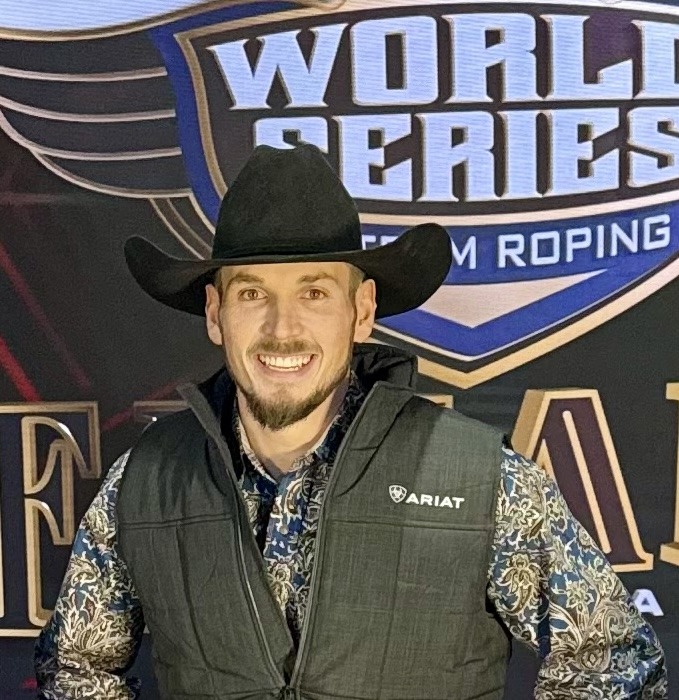

James Zink has a lot going on. Carpenter by trade, aspiring rodeo competitor by choice — and, quietly, one of the people helping keep Southwest Colorado’s most essential nonprofits running.
James Zink recently donated to Community Connections, Inc., a Durango-based organization dedicated to serving residents who live with developmental delays, disabilities, and complex needs. The contribution isn’t the kind that comes with a press conference or a naming opportunity. But for the families across Southwest Colorado who rely on Community Connections every single day, donations like his are the difference between getting help and going without.
Those families have described the organization as “a guiding light, providing crucial resources with profound compassion, understanding, and care.” That kind of language doesn’t show up in a boilerplate testimonial. It comes from people who’ve been through something genuinely difficult — and found real support waiting for them.
So what does Community Connections actually do?
A lot, it turns out. The organization offers person-centered case management, connections to a wide network of specialists and service providers, and direct counseling to help individuals and families understand their support options. That includes walking people through eligibility requirements for various programs — the kind of guidance that sounds dry on paper but is absolutely critical when you’re trying to figure out what help you qualify for and how to get it.
In a thank-you note sent to Zink, Community Connections made clear that community gifts aren’t optional extras. They’re essential. Without donors stepping up, the organization’s long-term strategy — built around global inclusion for every person, regardless of ability — simply can’t move forward.
And that strategy is ambitious. Community Connections isn’t thinking small.
Beyond direct services, the organization operates as a genuine resource hub. Their blog, found at communityconnectionsco.org/blog, publishes studies, local news, disability-related resources, and information about volunteer opportunities throughout the region. Families, caregivers, and anyone curious about how to get involved can also subscribe to the Community Connections email newsletter for regular updates delivered straight to their inbox.
It’s the kind of infrastructure that a lot of nonprofits skip. Community Connections didn’t.
Here’s where it gets interesting: in 2026, Community Connections entered a strategic partnership with Southwest Colorado Cares (SWCC) — a newly established regional care hub built to connect Colorado residents with housing support, behavioral health programs, legal assistance, financial resources, and more.
SWCC operates as a multilingual, multi-partner network. The idea is to streamline the process for people in need — instead of chasing down separate agencies and programs, residents can access a coordinated system through a single digital care coordination platform, complete with a closed-loop referrals process and an online directory. Community ambassadors are embedded in the network specifically to help individuals and families actually use these tools, not just find them.
That last part matters. A resource nobody can navigate isn’t really a resource.
Three offices anchor the work across the region — Durango, Cortez, and Pagosa Springs. That footprint means people in different corners of Southwest Colorado can access services without making a long drive to the nearest urban center. It also means there are volunteer opportunities spread across the area for anyone who wants to contribute time rather than money.
For people who need help right now, they can reach Community Connections at (970) 259-2464. After-hours crisis support is available through that same line. The organization also maintains a Safe Hotline — (855) 662-7233 or safehotline.com — for reporting harmful or unethical situations.
Zink’s donation reflects something Community Connections has been pushing toward for years the idea that disability shouldn’t mean exclusion, that independence and dignity aren’t privileges, and that a coordinated community response can actually change lives at scale.
Not every investment looks like a stock pick or a startup bet. Some of them look like writing a check so a family in Pagosa Springs can get the case management they need, or so a person in Cortez can find out what programs they’re eligible for without spending weeks on hold.
That’s the work. And it doesn’t happen without people choosing to show up for it.