


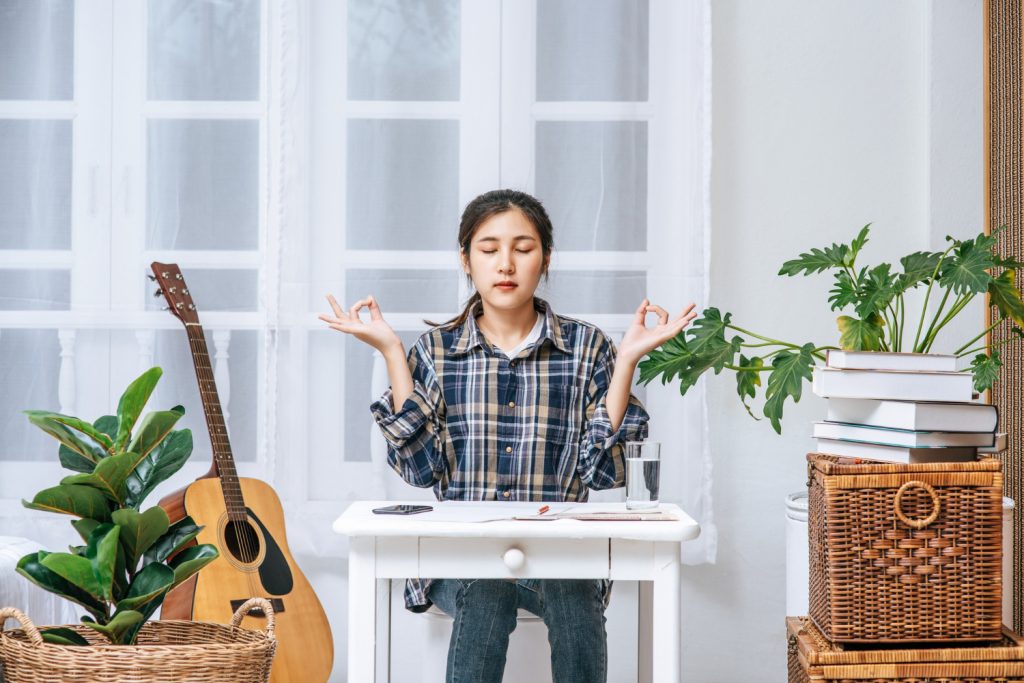

The transition to a slower lifestyle happened gradually rather than suddenly. Through delayed responses, it infiltrated inboxes, took up residence in evenings that were previously occupied with back-to-back plans, and subtly redefined ambition. Individuals did not publicly declare their decision to leave the hustle culture. They just gave up racing.
At some point, years of exalted speed backfired. What seemed productive at the time was no longer viable. Although the schedules were full, the satisfaction had vanished. Once discussed in private, burnout has become a common occurrence in public discourse, leaving even high performers feeling worn out and demoralized.
| Aspect | Details |
|---|---|
| Topic | Return to Slow Living |
| Core Motivation | Burnout, digital fatigue, and lifestyle reevaluation |
| Key Behaviors | Mindful consumption, radical rest, intentional time use |
| Emotional Drivers | Mental clarity, regained control, deeper presence |
| Societal Trends | Quiet quitting, anti-hustle culture, post-pandemic reset |
| Impact | Improved wellbeing, sustainable routines, better boundaries |
Subtle patterns revealed that, despite technology’s great efficiency, all natural pauses had been eliminated. Conversations during dinner were influenced by notifications. Vacations even turned into opportunities for contentment. There was no off-switch, only a litany of apps promising optimization, until life started to feel like a never-ending checklist.
People finally had to deal with time that was not governed by routine during the pandemic. Stillness took the place of the usual rush. Even though it was initially uncomfortable, that stillness opened the door to a type of rest that felt incredibly beneficial—like stretching a muscle you had forgotten you had. Baking bread and cultivating a balcony were not merely pastimes; they were acts of reclamation.
I recall observing the light shifting across the floor for entire afternoons during those early pandemic months. It was clarity, not boredom. I could hear my own thoughts when the noise was muted, and they weren’t requesting more activities. Less was what they were requesting.
A significantly better definition of success was provided by slow living. It valued depth rather than quantity. Presence is more important than speed. A hundred likes were not as important as a handwritten letter. Ten open tabs could never bring as much joy as one concentrated task.
Rest is only one aspect of this shift’s emotional core. The goal is to regain control over the allocation of time and focus. People are once again making active decisions, such as when to respond, what to skip, and how quickly to move, after years of delegating control to algorithms.
The ways that people slowed down were especially creative. Some instituted days without meetings. Others gave up trying to reach inbox zero. Some even monitored happiness rather than productivity, recording days based on feelings rather than achievements.
Identity was also questioned by the movement. For many, their output was closely linked to their sense of self-worth. The uncomfortable question of who I am when I’m not being productive had to be faced in order to slow down.
Despite being confusing at first, that question led to surprisingly inexpensive forms of happiness. A long stroll. A book was read again. cooking for enjoyment rather than show. These rituals were inexpensive but provided a lot of benefits, such as calm, clarity, and connection.
Many changed their routines without requiring a total overhaul by making strategic adjustments. switching to a slow coffee instead of a quick scroll. putting intention in place of urgency. In days that had previously felt like whirlwinds, these modest, consistent actions became anchors.
This change was sped up by the cultural context. Quitting quietly was about preservation, not rebellion. Individuals were redefining ambition rather than abandoning it. Objectives were still important, but not at the price of time, health, or dignity.
Hustle culture seemed especially hollow to younger generations. Raised in an era of economic instability and climate anxiety, Generation Z soon realized that security was not guaranteed by constant labor. They made better inquiries, which encouraged older generations to follow suit.
Instagram was not the only platform for slow living. It spread to school calendars, therapy sessions, and boardrooms. Workweeks with four days were tested. Sabbaticals were accepted as the norm. Even corporate wellness initiatives started to change their emphasis from productivity tricks to mindfulness and radical rest.
Surprisingly, the advantages went beyond feelings. Instead of falling, productivity stabilized. Prioritizing rest helped people focus better. Burnout decreased when boundaries were respected. It turns out that people need space to recover so they can perform better, not more work.
The effects on the environment also fit in perfectly. People produced less waste when they consumed less. Walking reduced emissions compared to driving. The “enough” mentality permeated sustainability, making mindful consumption a logical partner for slow living.
Of course, there are criticisms. Slow living, according to some, is a luxury only the wealthy can afford. Although that worry is legitimate, the fundamental ideas are still widely available. Leaving your job to practice meditation is not the definition of slow living. It’s about regaining your pace, listening more, buying less, and taking breaks between tasks—regardless of income.
Living more slowly becomes a radical choice in the context of digital excess, where more is frequently equated with better. For alignment, not against progress. For the sake of humanity.
Being slow does not equate to being idle. It entails acting rationally rather than under duress. putting quality ahead of urgency. And keeping in mind that getting enough sleep is a necessity, not a reward.
Many people are rediscovering that we become aware when we stop running. We take note of our breath, a friend’s attitude, the flavor of dinner, and the subtle change of the seasons. Once obscured by speed, these details resurface with breathtaking clarity.
People who embrace slowness are coming back rather than retreating. going back to their own physical pace. returning to the pace of life that is determined by human need rather than by digital alerts. It’s not nostalgia. It’s strategy.