


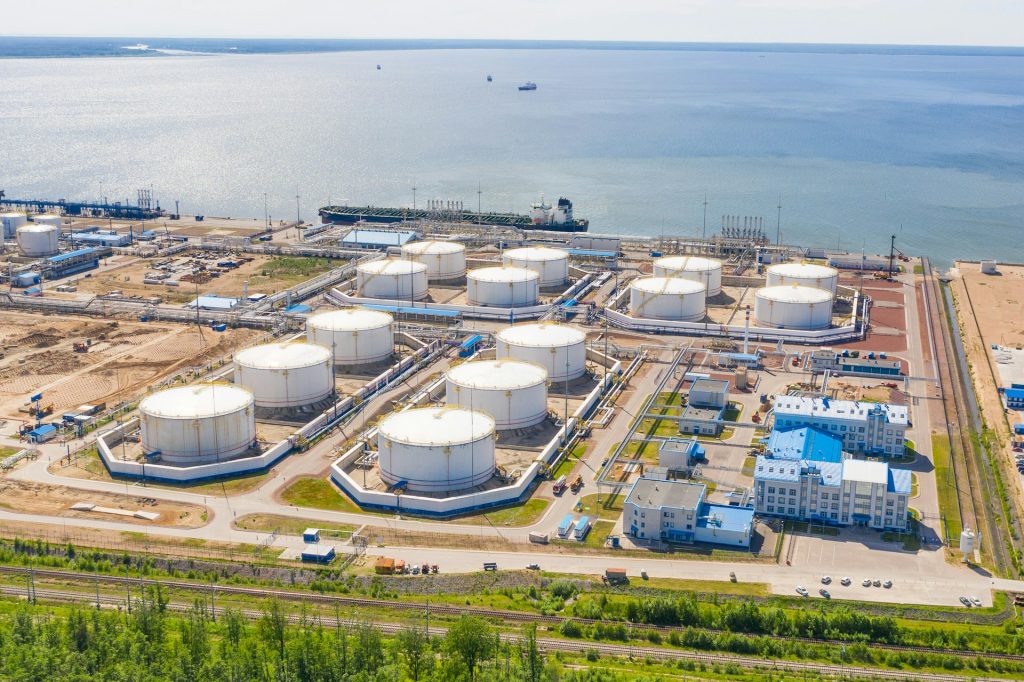

The European Union’s strategy to permanently exclude Russian energy from its markets represents a fundamental shift in sanctions policy that could undermine future diplomatic flexibility. This “future-proofing” approach eliminates potential negotiation tools even as peace discussions remain possible, raising critical questions about the long-term strategic wisdom of such irreversible measures.
EU Sanctions Russia with Permanent Energy Exclusion Strategy
The European Commission’s decision to target non-operational pipeline infrastructure demonstrates an unprecedented approach to economic sanctions. As reported by The New York Times, the next European sanctions could future-proof efforts to cut off Russian gas supplies by targeting Nord Stream 1 and Nord Stream 2 pipelines, despite their current non-operational status.
Paula Pinho, chief spokesperson for the European Commission, explained the rationale: “The idea is to dissuade any interest, and notably interest from investors.” This approach aims to prevent investments and future contracts rather than addressing current trade flows, representing a significant departure from traditional sanctions targeting active economic relationships.
The European approach to restricting Russian trade strategy through infrastructure prohibition creates permanent barriers that extend beyond immediate policy objectives. This permanence eliminates the possibility of using energy relationships as diplomatic incentives during future negotiations, fundamentally altering the nature of economic statecraft.
International Sanctions Policy Contradicts Diplomatic Flexibility
The future-proofing strategy directly conflicts with ongoing diplomatic initiatives that could benefit from maintaining negotiation leverage. The New York Times details how Russia has spoken of reviving Nord Stream in its discussions with the Trump administration, according to its foreign minister, Sergei Lavrov.
This diplomatic interest in energy infrastructure restoration suggests that maintaining flexibility could provide valuable negotiation tools. However, the EU’s permanent exclusion approach eliminates these potential diplomatic assets before they can be utilized effectively.
The question of whether economic restrictions designed to achieve policy objectives becomes particularly relevant when examining how permanent restrictions remove future policy options. Traditional sanctions theory assumes that restrictions can be lifted as incentives for behavioral changes, but future-proofing eliminates this fundamental mechanism.
Are Russian Sanctions Working When Leverage Is Eliminated
The effectiveness of sanctions depends partly on the target nation’s belief that compliance could lead to relief from economic pressure. The EU’s future-proofing strategy undermines this basic incentive structure by signaling that certain restrictions will remain regardless of Russian behavior changes.
Whether Russia’s economic isolation is producing results when they eliminate their own leverage mechanisms? The permanent nature of infrastructure sanctions removes the traditional “carrot and stick” approach that has historically underpinned successful economic pressure campaigns. This approach suggests that European policymakers prioritize punishment over policy modification.
The shadow fleet’s success in circumventing existing restrictions compounds these strategic problems. The New York Times explains that Russian companies have evaded oil and gas sanctions by investing in shadow fleet operations, with estimates suggesting that about 70 percent of Russia’s seaborne oil exports travel on these vessels.
Economic Consequences of Permanent Exclusion Policies
The unintended consequences of economic pressure on Russian markets through permanent energy exclusion extends beyond the immediate target to affect European economic interests. The elimination of future energy relationships increases European dependence on alternative suppliers and reduces market competition that could benefit consumers.
European energy security has been compromised through sanctions policy, forcing reliance on more expensive alternatives while Russia develops new markets and partnerships. The permanent exclusion approach compounds these costs by eliminating future opportunities to restore competitive energy relationships.
The economic implications extend to broader trade relationships and investment flows. Future-proofing creates precedents for permanent economic exclusion that could affect other sectors and relationships, fundamentally altering the nature of European economic engagement with various partners.
Strategic Questions About Long-term Policy Coherence
The targeting of non-operational infrastructure raises fundamental questions about sanctions policy coherence. Sanctioning pipelines that are already out of service appears to prioritize symbolic gestures over practical economic pressure, suggesting that policy formulation has become divorced from strategic effectiveness considerations.
The permanent nature of these measures contradicts basic diplomatic principles that emphasize maintaining negotiation flexibility. Effective diplomacy typically preserves multiple policy options to facilitate future agreements, yet future-proofing eliminates these possibilities preemptively.
The approach also creates asymmetric effects that may benefit Russia’s strategic position. While Europe eliminates its own future energy options, Russia maintains the ability to develop alternative markets and partnerships that could prove more advantageous over time.
Implications for Future Sanctions Architecture
The future-proofing precedent could fundamentally alter multilateral economic restriction policies by introducing permanent exclusion as a standard tool. This evolution transforms sanctions from temporary pressure mechanisms into permanent economic warfare instruments, potentially undermining their effectiveness as diplomatic tools.
The elimination of reversibility removes crucial incentive structures that have historically made sanctions effective in achieving policy changes. When target nations understand that compliance will not lead to sanctions relief, the motivation for behavioral modification diminishes significantly.
The EU’s approach suggests that sanctions policy has become driven more by domestic political considerations than strategic effectiveness. The institutional momentum behind permanent exclusion measures operates independently of diplomatic utility, creating policies that persist regardless of their contribution to stated objectives.
The future-proofing strategy represents a fundamental miscalculation that prioritizes short-term political satisfaction over long-term strategic flexibility. This approach may inadvertently strengthen Russia’s position by forcing it to develop permanent alternative relationships while eliminating Europe’s ability to utilize energy partnerships as diplomatic tools in future negotiations.