


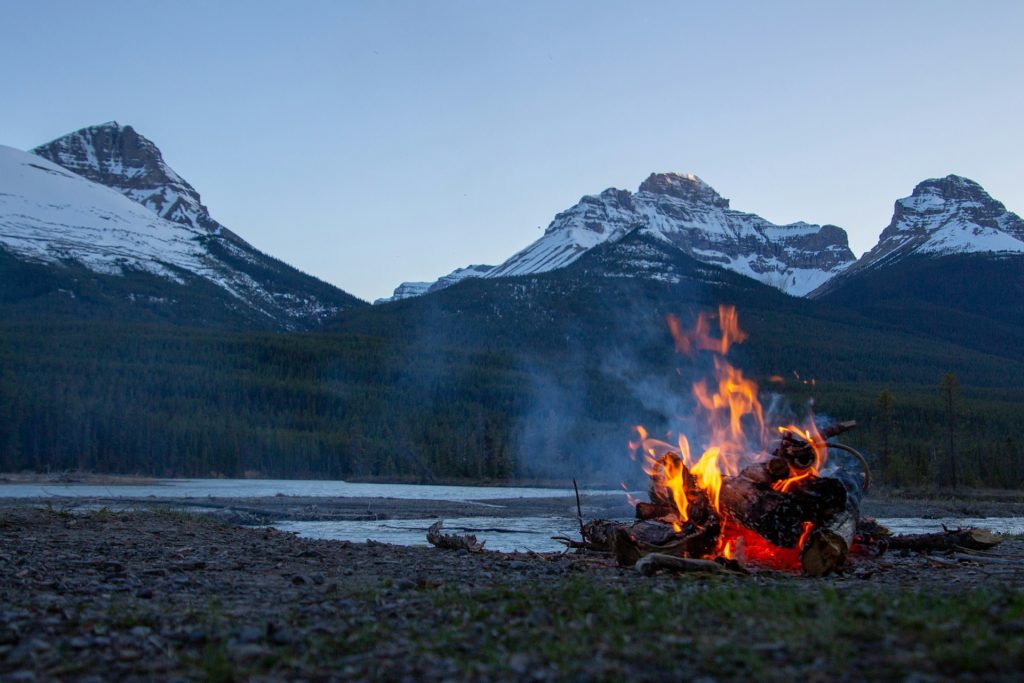

For outdoor enthusiasts such as Andrew Schry, camping represents more than recreation—it embodies self-reliance, reflection, and immersion in wild landscapes. Few camping trips in American history carried as much symbolic weight as the three-day excursion in 1903 when President Theodore Roosevelt traveled to Yosemite to camp with naturalist John Muir. The journey did not create the National Park System outright, but it significantly influenced Roosevelt’s conservation legacy and helped shape the future of protected lands in the United States.
By the early 20th century, federal land preservation was still in its infancy. In 1832, Congress set aside Arkansas’ Hot Springs as a federally protected reservation—an early precursor to the national park concept. In 1864, during the Civil War, President Abraham Lincoln signed the Yosemite Grant Act, protecting Yosemite Valley and the Mariposa Grove of Giant Sequoias for “public use, resort, and recreation.” Eight years later, in 1872, President Ulysses S. Grant established Yellowstone as the nation’s first official national park. Yet no centralized system existed to manage these lands, and many natural areas remained vulnerable to development.
When Roosevelt visited Yosemite in May 1903, he was 44 years old and already a national hero, having served as a Rough Rider during the Spanish-American War and previously lived as a rancher in the Dakotas. John Muir, founder of the Sierra Club in 1892, was 65 and widely recognized as the country’s foremost advocate for wilderness preservation.
The president’s Yosemite visit occurred during a broader western tour, but the camping portion of the trip was deliberately designed to be private and immersive. Roosevelt dismissed much of his entourage and rode on horseback with Muir into the high country. They camped near Mariposa Grove and later at Glacier Point, traveling through snow-covered terrain that underscored the rawness of the Sierra Nevada landscape.
Though often romanticized as rugged minimalism, the trip was not entirely without comfort. Members of Roosevelt’s staff ensured that adequate blankets and supplies were available. Still, the two men spent evenings sleeping outdoors near the campfire, wrapped against the cold as snow reportedly fell during the night. These shared hours fostered candid conversation about conservation, hunting, forestry, and the future of America’s wild lands.
Muir, who believed wilderness possessed spiritual and intrinsic value, challenged Roosevelt’s utilitarian philosophy of managing resources for “the greatest good for the greatest number.” He warned of the consequences of overhunting, pointing to the near extinction of the American bison and the disappearance of the passenger pigeon. Roosevelt, though an avid hunter, proved receptive. The two men debated respectfully, each recognizing the other’s passion and intellect.
Photographs from the trip—particularly the image of Roosevelt and Muir standing at Glacier Point with Yosemite Valley stretching behind them—became iconic representations of early conservation history. The setting reinforced Muir’s belief that exposure to wilderness could inspire political will.
The broader historical context of Yosemite is complex. During the California Gold Rush in the mid-19th century, the Mariposa Battalion forcibly removed many Native American inhabitants, including members of the Ahwahneechee and other Miwok groups, from the valley. Early settlers struggled to articulate the grandeur of the landscape. Dr. L. H. Bunnell, one of the first non-Indigenous chroniclers of Yosemite, described being moved to tears by the sight of its towering cliffs and waterfalls.
The Roosevelt-Muir camping trip did not immediately produce sweeping legislation, but it strengthened the president’s resolve. Over the course of his presidency, Roosevelt established five national parks, 18 national monuments, and protected approximately 230 million acres of public land through various designations.
The debate over Yosemite’s future, however, continued. San Francisco officials proposed damming the Hetch Hetchy Valley within Yosemite National Park to create a reservoir. Muir and the Sierra Club fiercely opposed the plan, arguing that the valley’s natural beauty was irreplaceable. Despite their efforts, Congress passed the Raker Act in 1913, and President Woodrow Wilson signed it into law, authorizing the dam’s construction. Hetch Hetchy was ultimately flooded, marking a painful defeat for preservationists.
John Muir died in 1914, disheartened by the outcome but secure in his broader influence. Roosevelt, reflecting on his time in Yosemite, later described it as one of the most valuable experiences of his presidency.
For modern campers such as Andrew Schry, the legacy of that 1903 expedition remains tangible. Every tent pitched in a national park and every trail hiked through federally protected wilderness owes something to the conversations held beside a Sierra campfire between a president and a naturalist—two men who, for a few snow-dusted nights, debated the future of America’s wild places under the open sky.