


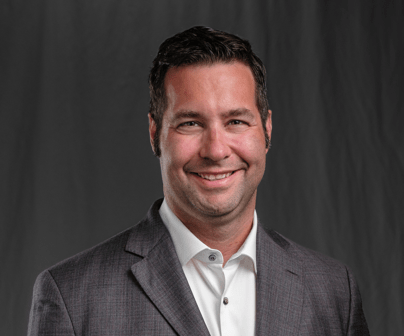

When most people think about insurance disputes, they picture paperwork, adjusters, and long negotiations. Artificial intelligence does not usually enter that conversation. Yet behind the scenes, carriers have relied on automated systems for years to review documentation, evaluate property photos, and control payouts. Galen M. Hair understood early that ignoring that shift would leave policyholders at a disadvantage.
Founded in 2020 in Metairie, Louisiana, Insurance Claim HQ represents homeowners and business owners whose property claims were denied or underpaid after fires, hurricanes, floods, and other disasters. Today, Insurance Claim HQ has recovered hundreds of millions for thousands of clients nationwide. Galen’s approach blends traditional trial advocacy with modern tools, using artificial intelligence to support case analysis while keeping final judgment in human hands.
Using AI to Strengthen Claim Evaluation
Insurance carriers have invested heavily in automation. Image recognition software reviews roof damage. Data models flag “inconsistencies.” Algorithms compare current losses against historical patterns. In many cases, those systems reduce payouts before a policyholder ever speaks to a human decision maker.
At Insurance Claim HQ, AI is used to counter that advantage. The firm incorporates tools that analyze inspection reports and historical property data. That speed matters, especially when deadlines are tight.
This approach also prevents wasted effort. By comparing inspection records, and environmental data, the firm can quickly determine whether damage appears preexisting or tied to the reported event. Galen has discussed on his podcast how this has saved hundreds of hours by identifying weak claims early, allowing the firm to focus on cases with real legal merit.
The technology extends to research and drafting. AI-powered legal tools synthesize policy language, statutory frameworks, and prior rulings across jurisdictions. Instead of manually reviewing stacks of precedent, attorneys can more efficiently isolate relevant case law.
Across the industry, adoption is accelerating. According to market research, the global AI in the insurance sector was valued at $4.59 billion in 2022 and is projected to approach $80 billion by 2032. Much of that growth is tied to claims processing and fraud detection. Insurance Claim HQ’s difference lies in its purpose. The tools are used to reinforce client cases, not suppress them.
Operational Efficiency Without Sacrificing Trust
Artificial intelligence at Insurance Claim HQ does not stop at legal analysis. It also improves client experience and internal operations. Property damage claims often begin in chaos. Homeowners are displaced. Business owners are facing interruption losses. The intake process should not add to the confusion of an already stressful moment.
Automated intake systems help route inquiries, schedule consultations, and gather preliminary information before an attorney ever picks up the phone. That structure reduces delays and ensures urgent cases are prioritized. Natural language processing tools help organize documentation so attorneys walk into conversations already informed.
Galen frequently explores these systems on his Level Up Claims podcast, interviewing experts in marketing automation, claims technology, and restoration workflows. The theme is consistent. Technology should remove friction, not add distance between lawyers and clients.
AI also supports hiring and training. Internal tools assess applicants’ communication patterns and responsiveness, helping the firm identify candidates who align with its client service standards. Marketing systems personalize educational content, sending homeowners relevant claim guidance based on their specific type of loss. This creates a proactive layer of support before disputes escalate.
Why Human Judgment Still Leads
Despite the efficiencies, Galen is clear that artificial intelligence is a supplement, not a substitute. “There’s a lot of times an AI can help you with tasks or roles,” he explains. “People are worried AI is going to replace everyone, but that’s not exactly what’s happening. It’s augmenting and supplementing you.”
Galen has also warned on his podcast that overreliance on automation often produces average outcomes. AI models rely on historical data. Legal advocacy often requires deviation from historical patterns. That nuance is where experienced attorneys make the difference.
The firm trains its staff to understand the limitations of every tool. Different models are assigned to specific tasks, whether document summarization or image comparison. No single system dictates conclusions. Every case is reviewed by lawyers accountable to clients.
The result is a hybrid model that balances speed with judgment. Insurance Claim HQ operates with the efficiency of modern technology and the discipline of traditional trial advocacy. It reflects Galen M. Hair’s broader philosophy that innovation is valuable only when it strengthens representation.
As artificial intelligence continues to reshape the insurance landscape, policyholders face a more automated claims environment than ever before. Insurance Claim HQ has chosen to meet that shift directly, using the same class of tools carriers deploy while keeping advocacy grounded in experience and human accountability.
For homeowners and business owners navigating denied or underpaid claims, the message is clear. Technology alone does not win disputes. It supports the people who do.
About Insurance Claim HQ
Insurance Claim HQ is a premier property casualty insurance law firm powered by Hair Shunnarah Trial Attorneys and headquartered in Metairie, Louisiana. With hundreds of millions recovered for thousands of clients, the firm brings years of legal experience and unmatched insight into how insurers operate.