


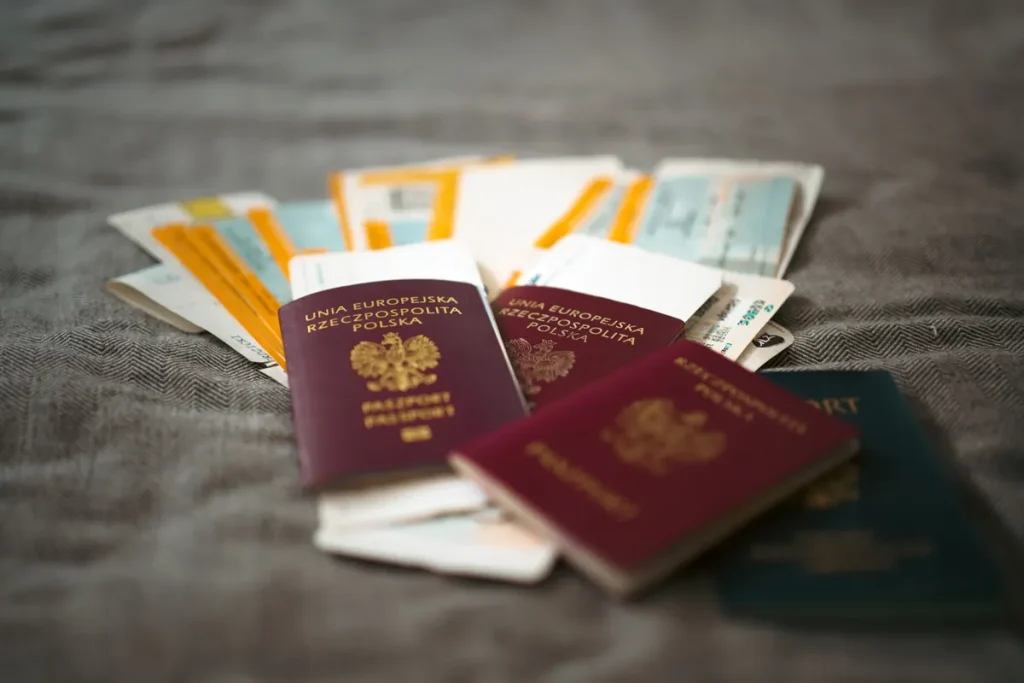

The European Commission’s EU Entry Exit System delays are tripling passport-control times for British travellers even at airports that have already adapted their processes, according to the chief aviation officer of Rome’s Fiumicino, one of Europe’s busiest hubs.
Ivan Bassato told the BBC that the time taken for UK nationals to clear the border has risen from seven minutes to 20 minutes since the digital system began phasing in last October. That is after Fiumicino spent €12m (£10.2m) on standalone kiosk machines, found them impractical for high passenger volumes, and then integrated the registration process into existing e-gates instead. Even with that workaround, Bassato’s verdict was blunt: ‘We are not at the point where you have the same quality of the process [as] before the EES.’
He added: ‘I think that we need to fix urgently certain aspects of the system.’ For an airport projected to handle more than 50 million passengers, that is not a margin you can absorb quietly.
Why EU Entry Exit System Delays Keep Getting Worse
The system requires all non-EU citizens entering the Schengen area’s 29 member countries to register fingerprints and a photograph on arrival, with the data checked again on departure. In theory, it tracks overstayers. In practice, it has turned passport control into a bottleneck at airports from Barcelona to Faro.
Passengers arriving in Rome told the BBC what that bottleneck feels like. Carl, travelling from Yorkshire with his family, described two hours from plane to exit. David, visiting from the United States with his wife Marlo, missed their pre-booked driver after an hour in the queue. Barry, from Bracknell, spent 45 to 50 minutes clearing passport control in Barcelona because some machines were not working. His friend Sarah said the queue there took ‘nearly an hour… it was just slow.’
These are not outliers. They are the average experience of anyone arriving at a busy European airport this summer.
At Faro, Superintendent Pedro Oliveira acknowledged to the BBC that what ‘used to be a 10-minute queue… takes over 30 minutes.’ He also described a system structurally dependent on servers that can fail simultaneously across all member states: ‘Sometimes crashes happen in all member states at the same time, and we need a few minutes to reboot everything.’ Bugs, he conceded, though he said they were now occurring less frequently.
Ryanair and the Industry Are Saying What Officials Won’t
Ryanair has been the loudest commercial voice demanding a pause. Neal McMahon, the airline’s director of operations, said: ‘As Europe enters the busiest travel period of the year, it’s clear that the system is not ready.’ The airline called for implementation to be postponed until September to avoid delays, stress and missed flights.
Ryanair is not alone. The wider aviation industry has pushed the European Commission to allow member states to proactively suspend EES operations ahead of peak travel periods. A meeting earlier this month produced no change in policy.
The Commission’s position is that disruption is limited at most EU airports and that it will continue to support member states in rolling the system out. That formulation will do little to reassure anyone who spent an hour in a queue at Barcelona’s El Prat last week.
My read is that the Commission is caught between two uncomfortable realities. Admitting the system needs suspension would undermine years of political momentum behind EES. Refusing to do so risks a summer of genuinely damaging headlines, missed flights, and rising resentment among the third-country visitors European tourism depends on.
Bassato’s suggestions are practical: remove duplication from the registration process, and expand the EU’s pre-registration app, which currently only two countries, Sweden and Portugal, have adopted. Both are reasonable asks. Neither requires a regulation change. The question is whether Brussels has the appetite to act on operational feedback before the queues become a proper diplomatic irritant.
The answer may arrive sooner than expected. Under the EU’s progressive rollout regulation, countries are required to operate EES at a minimum of 10 per cent of border crossings during the first month of full implementation. The European Commission has set 12 October 2025 as the date for that progressive start to begin, with all member states confirmed as technically ready. October, of course, is when the summer crowds thin out. The real test of whether the system can scale will come again in June 2026, and nothing about the current performance suggests it will be ready.
