


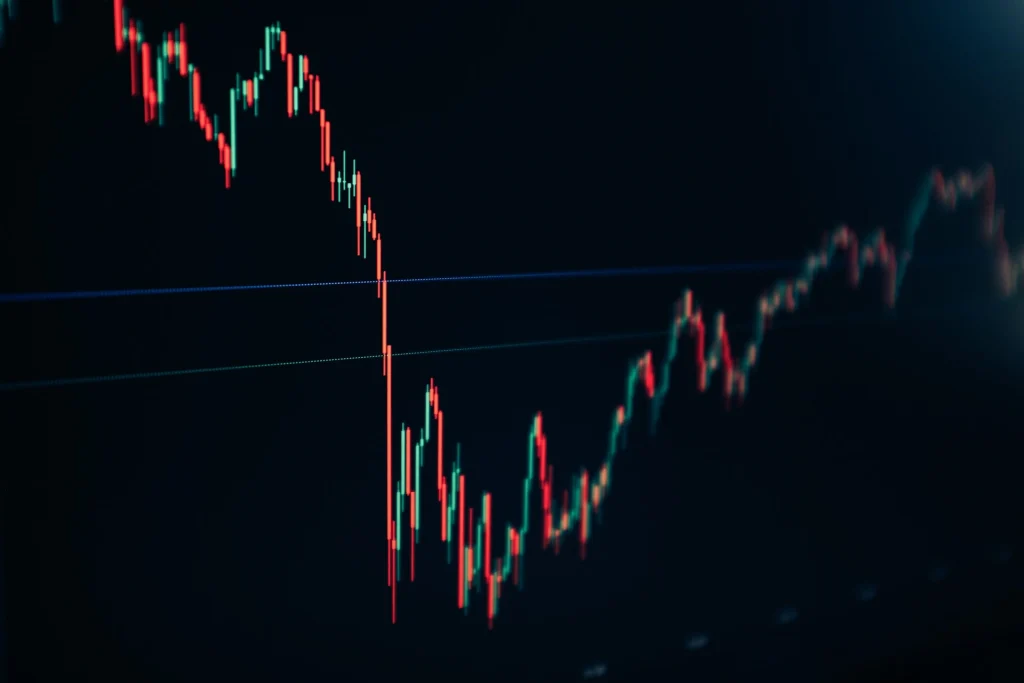

CFD trading has exploded in popularity — and for good reason. Speculating on price movements without owning the underlying asset sounds almost too clean. If you’re right about direction, you profit. Simple enough, right?
Not quite.
Here’s what catches most new traders off guard: direction alone doesn’t win trades. You can call the market correctly and still lose money if your timing is off. Knowing the best time to buy or sell CFDs takes market knowledge, a real plan, and a kind of discipline that’s genuinely harder than it sounds.
So what actually drives these decisions? Let’s get into it.
Read the Trend First
Markets move in three directions — up, down, or sideways — and fighting momentum is usually how accounts blow up. Buying into a strong uptrend? That makes sense. Trying to catch the absolute bottom of something in freefall? That’s a different game entirely, and not a good one.
Most traders use moving averages, trendlines, and support and resistance levels to get a read on where things are headed. None of it guarantees anything. But it stacks the odds a bit more in your favor — which is honestly the whole point.
The Platform You Use Actually Matters
Slow execution, bad charting tools, unreliable data feeds — any of these can wreck an otherwise solid strategy. Weltrade gives traders access to a broad range of CFD markets alongside the analytical tools they need to make informed entries and exits. When you’re trying to time the market, having fast, accurate information isn’t a perk; it’s the job.
Watch the Economic Calendar
Big news moves markets. Fast. Interest rate decisions, inflation prints, employment data, central bank statements — all of it can send prices lurching in ways that either create real opportunity or real damage, depending on which side of the trade you’re sitting on.
A strong economic report builds confidence and tends to push asset prices higher. Disappointing numbers do the opposite. The catch? You have to actually be watching for it. Monitoring the economic calendar is one of the most basic habits you can build to avoid getting blindsided — especially when you’re trying to pinpoint the best time to buy or sell CFDs around scheduled events.
Volatility Cuts Both Ways
High volatility means prices are moving fast and wide. Sounds great until it goes against you.
Huge potential gains, yes. But also sudden, ugly losses that arrive without warning. Experienced traders tend to wait for a volatility environment that fits their strategy — rather than jumping in just because things are moving. That sounds obvious. A lot of people skip it anyway.
Reading current market conditions before entering a position takes a few extra minutes. Usually worth it.
Think About How Long You’re Holding
Some traders are in and out in minutes. Others hold positions for days. Both can work — but they come with very different cost structures.
Overnight financing charges are real, and they compound. The longer you hold, the more they eat into returns. If you’re thinking about longer-term CFD positions, it’s worth asking at what point those costs start outweighing your expected gains. Checking whether open positions still match your original thesis isn’t paranoia — it’s just good management.
The Bottom Line
There’s no single universal answer on when to buy or sell. Markets shift. What worked last week might not work next week. But traders who understand trends, track economic events, manage volatility, and actually stick to a structured plan — they consistently make better decisions than those who don’t.
Pair that with a platform you trust, and you’ve got a real foundation to build on.