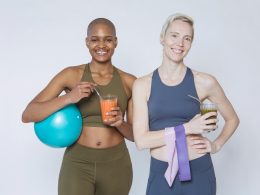





By 2027, the concept of health will be much more dynamic and human than a list of steps and calories. According to experts, self-awareness, emotional intelligence, and data-driven simplicity will be the guiding principles of healthy living. Working smarter—aligning habits with technology, the environment, and our own biology—is now more important than working harder for wellness.
The emergence of personalized digital wellness is one of the most noticeable changes. AI is starting to shape daily routines in a very versatile way. Soon, smart assistants will make recommendations about what to eat, when to sleep, and how to recuperate based on feedback from real-time biosensors. Like a perceptive personal trainer who knows precisely when to push or pause, these systems will modify recommendations based on analysis of stress hormones or sleep cycles. Because it listens before instructing, the method feels both futuristic and incredibly human.
| Aspect | Details |
|---|---|
| Central Theme | How new habits will merge technology, mental balance, and sustainable living to shape the next era of health. |
| Core Drivers | Personalized AI, emotional well-being, natural nutrition, and mindful rest. |
| Expert Consensus | The healthiest people will live simply, stay connected, and use tech consciously. |
| Societal Shift | From extremes and quick fixes to consistency, calm, and holistic living. |
| Reference | https://www.today.com/health/aging/longevity-research-habits-rcna200934 |
Additionally, wearable technology will develop into incredibly useful instruments for preserving wellbeing. Next-generation wearables will be able to read skin temperature, hydration levels, and even minute shifts in emotional state in addition to heart rate and steps. A glass of water before dehydration, a walk before exhaustion, or a breathing exercise before anxiety attacks are examples of how they will gently encourage you toward prevention rather than just warning you about issues. It’s possible that these small changes will become as automatic as brushing your teeth.
This change is “a return to the basics powered by awareness,” according to experts like Bridgette Becker of the We Care Spa near Palm Springs. Her recommendations for her clientele, which includes entrepreneurs and Hollywood creatives, focus on screen time management, nature immersion, and mindful eating. Technology, in her opinion, should complement rhythm rather than take its place. She frequently asserts that “nature has its own tempo and we’re just learning to move in harmony with it.”
A subtle but significant change is also occurring in nutrition. The idea of “food as medicine” is becoming more and more credible in science as studies show that diet has a direct impact on inflammation, mood, and aging. Eating habits high in fiber, whole grains, and plant-based foods are not just healthier; they are also biologically in line with how our cells function, according to longevity expert Dr. Sofiya Milman. Once normalized, ultra-processed foods are turning into the new tobacco: they should be consumed with caution, discussed honestly, and replaced with healthier options.
Restrictive dieting will give way to mindful eating. According to experts, eating habits are more important than what you eat. Modern customs will include allowing the body to rest in between meals, eating without screens, and taking the time to appreciate food. This is corroborated by research from the Gerontological Society of America, which demonstrates that deliberate, slower meals improve digestion and dramatically lower stress markers. Because they blend in with daily life, these habits are straightforward but incredibly resilient.
Social and mental health will also be prioritized. Now recognized as a public health emergency, loneliness will force organizations and governments to place a higher priority on connection. Social well-being will be considered medicine in 2027. Workplaces are implementing community volunteering breaks, fitness centers are implementing “connection corners,” and digital platforms are experimenting with features that encourage genuine human interaction rather than endless scrolling.
Optispan’s Dr. Matt Kaeberlein refers to social interaction as “the new oxygen.” Strong relationships can increase longevity more successfully than practically any supplement or medical treatment, according to his research. He contends that relationships create “health capital,” an imperceptible type of resilience that guards against illness, depression, and cognitive decline.
Intentional rest will be a major focus as well. Once glamorized as optional, sleep is now regarded as the cornerstone of vitality. Sleep hygiene, according to experts like Dr. Vassily Eliopoulos, is about environment and consistency rather than just hours. He claims that while eight hours is the bare minimum, quality is more important than quantity. For those who are serious about living a long life, a cool room, a dark environment, and a calm mind will soon become necessities.
Additionally, environmental wellness is becoming more popular. By filtering the air and water, selecting organic textiles, and reducing their exposure to plastics and artificial chemicals, people are starting to treat their homes like ecosystems. Experts claim that these minor changes have a startlingly big effect on mood, hormones, and sleep. Going green is only one aspect of the change; another is getting rid of invisible pollutants that steal concentration and vitality.
Longevity and financial literacy are emerging as new health pillars. According to studies, people who are aware of their expected lifespan and practice prudent money management have much lower levels of stress and fewer chronic illnesses. Preventive care now includes preparing for a longer, healthier life, both financially and physically. It serves as a reminder that having a stable foundation and a clear head are just as important as having a strong body.
This more grounded approach is also becoming more commonplace thanks to celebrities. Celebrities like Gwyneth Paltrow, Chris Hemsworth, and Selena Gomez have started talking openly about rest, therapy, and authenticity rather than just performance. A generation weary of burnout finds resonance in their candor. It implies that recovery, not unrelenting effort, is the source of true strength.
The behaviors that will change health by 2027 are not revolutionary on their own. These age-old practices—walking after meals, getting enough sleep, interacting with people frequently, and eating real food—have been brought back into the spotlight with new insights. Our ability to use technology to measure, customize, and maintain these habits has significantly improved. The future of health appears to be mindful rather than mystical or mechanical.
Longevity is no longer a pipe dream, as experts frequently reiterate. It is being constructed by making everyday decisions. The healthiest people in 2027 will learn to be consistent rather than follow trends. They will live with conscious awareness of their body and surroundings, use data gently, and take deliberate breaks. A new kind of vitality that is shaped by presence rather than perfection is promised in that rhythm.