




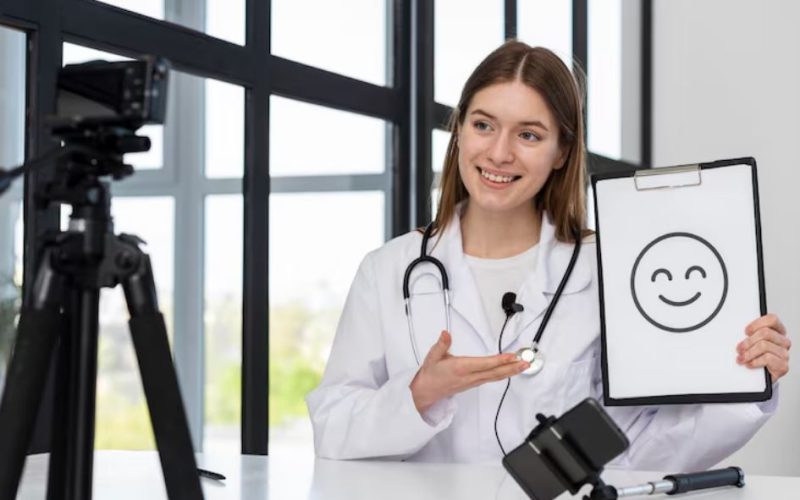

This year’s wellness revolution, which incorporates technology, personalization, and prevention into daily life, is being described by medical professionals worldwide as a subtle yet significant change. The emphasis has noticeably shifted away from following fitness trends or miracle supplements and toward long-term routines that promote mental equilibrium and prevent illness. This changing strategy illustrates how medicine is adopting a more patient-centered, holistic philosophy that is based in science but driven by self-awareness.
Nowadays, preventive care is at the forefront of contemporary medical treatment. Physicians are promoting preventative measures like yearly physicals, blood panels, and routine cardiovascular screenings rather than waiting for disease to strike. According to Columbia University’s Dr. Kim Hekimian, “Prevention—knowing risks before they escalate—is the best medicine.” People can drastically lower long-term health complications by spotting early indicators of conditions like diabetes or hypertension. The method works incredibly well, especially when paired with lifestyle changes like regular exercise, a healthy diet, and better sleep.
| Key Focus Area | Description | Impact on Health | Expert/Source |
|---|---|---|---|
| Preventive Care | Regular screenings, early detection, and lifestyle adjustments | Reduces chronic disease risk and improves longevity | Echelon Health (2025) |
| Personalized Medicine | Tailored treatments based on genetic and lifestyle factors | Increases treatment success and minimizes side effects | Columbia Institute of Human Nutrition |
| Mental Well-being | Mindfulness, stress management, and accessible therapy | Improves focus, reduces anxiety, boosts overall resilience | ELLE Wellness Guide (2025) |
| Gut Health | Balancing the microbiome with diet and probiotics | Enhances digestion, immunity, and mental clarity | Bupa UK Health Trends (2025) |
| Health Technology | Use of wearables and AI-powered diagnostics | Enables real-time health tracking and faster intervention | MedPark Hospital (2024) |
Elite clinics are no longer the only places where personalized medicine is used. Doctors are now customizing health plans to fit each patient’s biology through genetic testing and AI-assisted data analysis. The notion that a single medication or diet works for everyone is quickly going out of style. Rather, metabolic profiles, gut composition, and DNA patterns are influencing treatments. Celebrities like Chris Hemsworth and Serena Williams have openly supported this individualized strategy, emphasizing how their performance and recuperation have been markedly enhanced by specialized diet and exercise plans. Because no two bodies or solutions are the same, this trend feels especially innovative and humanizes healthcare.
The importance of mental health remains paramount. Doctors now treat mental fitness as urgently as physical health after years of rising anxiety and burnout. Artificial intelligence-powered apps, such as Wysa and BetterHelp, are incredibly good at offering quick, private therapy options. These platforms are intended to broaden the scope of traditional therapy rather than to replace it. Destigmatizing therapy has been greatly aided by Selena Gomez’s wellness startup, Wondermind. According to her, mental health treatment is “daily maintenance, not an emergency fix.” Psychologists concur, stressing that preventing deeper emotional exhaustion can be achieved through proactive care, such as journaling, mindfulness, or frequent digital detox.
Once written off as a specialized field of study, gut health is now a cornerstone of medicine. The body of research relating the microbiota to immunity, metabolism, and mood is growing quickly. Doctors advise fermented foods, diets high in fiber, and, if needed, probiotics taken under a doctor’s supervision. Gut-focused products have gained popularity thanks to celebrities like Kourtney Kardashian and Gwyneth Paltrow, but the data behind the celebrity glow is real. The 2025 report by Bupa UK found a strong correlation between improved mental resilience and gut diversity. The subtle, continuous, and highly significant communication between the brain and the heart is remarkably similar to the relationship between digestion and cognition.
There has never been a more powerful role for technology in health. Digital health tools, such as blood oxygen monitoring smart rings and voice-activated stress monitoring apps, are becoming reliable everyday companions. Physicians advise their patients to use these tools as insights rather than as obsessions. People can identify early health abnormalities and make well-informed changes before issues worsen by utilizing advanced analytics. For example, the heart rhythm alerts on the Apple Watch have already prevented thousands of deaths by identifying atrial fibrillation early. It’s a striking illustration of how tiny sensors can make a huge difference.
Optimizing sleep has become a popular lifestyle trend as well. Nowadays, doctors refer to sleep as repair rather than rest because it is a vital biological process that is necessary for hormone balance and mental clarity. For deep, restorative sleep, regular bedtimes, less screen time, and darkened surroundings are proving to be very beneficial. LeBron James and Ariana Huffington, two well-known people, have made sleep an advocacy by discussing how getting enough sleep has improved their ability to concentrate and be creative. In a society where stress is common, doctors confirm that getting enough sleep improves memory retention and fortifies the immune system.
The increasing interest in social fitness shows that health is a social issue as well as a personal one. Through yoga courses and wellness retreats, people are rediscovering the pleasure of group exercise. Group exercise has been shown by neuroscientists to increase endorphins and social bonding hormones like oxytocin, which strengthen emotional health. Breathwork, sauna therapy, and ice plunges are combined with music and conversation at places like Othership in New York. The idea is both therapeutic and entertaining—a very adaptable method of relieving stress that medical professionals are beginning to endorse as a substitute for conventional therapy.
Sustainability has also quietly made its way into discussions about medicine. More than ever, doctors now make the connection between personal health and the environment. Eco-friendly exercise routines and plant-based diets are viewed as ways to safeguard the body and the environment. Wellness and environmental awareness can coexist, as evidenced by the fact that well-known health brands like Peloton and Lululemon are creating products using recycled materials. A generational shift toward responsible living is indicated by this blending of ethics and health, which feels significantly better than previous, consumption-heavy wellness trends.
Hospital care is being redefined by integrative medicine, which was once thought to be unorthodox. It incorporates evidence-based herbal therapies, yoga, acupuncture, mindfulness, and traditional science. Integrative units, which treat patients as a whole person—mind, body, and spirit—are being introduced in hospitals across the United States. Our goal is healthspan, not just lifespan, as Dr. Dylan Petkus puts it. This all-encompassing approach has proven remarkably successful in treating chronic pain, anxiety, and exhaustion, giving patients a restored sense of equilibrium and control.
The way that doctors and celebrities are now supporting lifestyle medicine is particularly intriguing. Though initially experimental, these concepts arouse real interest, such as when Gwyneth Paltrow talks about vagus nerve stimulation or Justin Bieber uses a hyperbaric chamber for brain recovery. Physicians place a strong emphasis on moderation and scientific validation, but they also acknowledge that public figures contribute to the general public’s awareness of wellness issues.
These lifestyle changes reflect a new way of thinking about care and are more than just passing fads. Each one combines information with gut feeling, organization with adaptability, and personal accountability with group advancement. Medicine is shifting from treating illness to fostering vitality by emphasizing prevention, personalization, and emotional balance.
One thing unites doctors: rhythm, not revolution, is the way of the future for health. Walking after lunch, meditating before bed, and wearing a tracker for mindfulness rather than metrics are examples of daily choices. When these modest actions are repeated with purpose, they establish a long-lasting pattern of wellbeing. That pattern—a quiet, steady progression toward better living—feels remarkably human, remarkably hopeful, and remarkably resilient as 2025 progresses.