


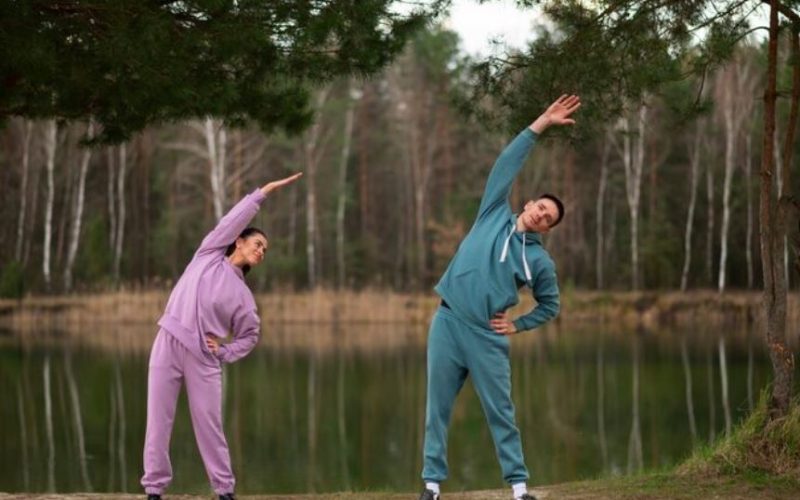

People are learning to treat well-being as a daily discipline rather than a luxury, which is an inspiring change that has been subtly taking place in homes, communities, and industries over the past few years. A growing number of people, from young professionals in tech hubs to educators and healthcare professionals, are realizing that personal wellness should be incorporated into daily life rather than being saved for weekends or retreats.
This awareness became more ingrained than ever during the pandemic. Millions were compelled to rethink what “being well” actually meant due to loneliness, uncertainty, and constant digital noise. People started concentrating on consistency rather than striving for perfection. The effects of a quick morning workout, a contemplative stroll, or five minutes of deep breathing grew remarkably similar to those of a costly wellness retreat. Experts refer to this development as the democratization of health, a shift toward sustainable, easy-to-follow routines that benefit the body and the mind.
| Aspect | Details |
|---|---|
| Central Idea | The shift toward treating well-being as an essential daily practice rather than a luxury or an occasional act. |
| Driving Forces | Burnout recovery, mental health awareness, generational change, digital wellness culture, and scientific research. |
| Core Practices | Movement, mindfulness, nutrition, sleep, social connection, and emotional reflection. |
| Societal Impact | Redefining workplace culture, inspiring public health reforms, influencing celebrity lifestyles, and guiding wellness technology. |
| Reference | www.cdc.gov/emotional-well-being |
This change is strongly supported by scientific evidence. Small, consistent behaviors, like moderate exercise, gratitude journals, or mindful eating, can dramatically lower the risk of anxiety, depression, and chronic illness, according to research from Harvard and the National Institutes of Health. The science is very clear: regular care, not sporadic acts of recovery, has a positive impact on our bodies and brains. These days, movement, mindfulness, and social interaction are seen as everyday medicine—strong, easily accessible, and incredibly successful.
People are changing the way that success is defined by incorporating these practices into their daily routines. Corporate wellness models have been reinterpreted by executives such as Arianna Huffington and Satya Nadella, who have urged businesses to view sleep, concentration, and emotional equilibrium as performance enhancers rather than diversions. Their strategy has significantly increased output while decreasing burnout, demonstrating that wellness is an integral part of work and not a break from it. Businesses are rewriting the rules for contemporary professionalism through initiatives for employee well-being, flexible scheduling, and planned mindfulness breaks.
This cultural shift is being driven primarily by younger generations. According to a 2025 McKinsey survey, more than 80% of Gen Z and millennials view wellness as a daily need rather than a luxury. In particularly creative ways, they are combining digital and physical self-care. As social media creators normalize “slow mornings” and digital detoxes, apps like Headspace and Calm have become morning companions. For them, being well is a continuous practice that fosters creativity, concentration, and emotional clarity rather than a final destination.
There is a particularly strong correlation between mood and movement. Regular exercise boosts the production of neurotransmitters like dopamine and serotonin, which results in increased energy, better sleep, and less stress, according to Harvard Health studies. Because of this biological connection, exercise has become a form of emotional hygiene, something you do for balance rather than beauty. Moving, whether it be through yoga, dance, or just walking, is becoming more and more acknowledged as a therapeutic activity.
Businesses and governmental organizations have started to formalize this way of thinking. While cities like Singapore and Copenhagen are redesigning public areas to promote social interaction and mobility, Deloitte’s Human Capital Trends report highlights well-being as a fundamental business strategy. The end effect is a more human-feeling urban rhythm. Boardrooms are replaced by walking meetings, and sterile offices are replaced by green rooftops. This strategy tackles community involvement, mental equilibrium, and physical health all at once, making it both highly effective and sustainable.
Surprisingly, the entertainment sector has also embraced this philosophy. Celebrities like Chris Hemsworth, Selena Gomez, and Harry Styles are candidly talking about digital rest, emotional equilibrium, and mindfulness. Their endeavors, which range from mental health campaigns to fitness apps, are indicative of a larger societal need for authenticity. These figures are now promoting presence, vulnerability, and daily upkeep rather than perfection. Because of their influence, emotional intelligence is now considered aspirational rather than just trendy.
The inclusiveness of this movement is what makes it especially advantageous. To participate, you don’t need expensive gear or retreat memberships. Everyone has access to the daily well-being tools of breathing, walking, hydrating, resting, and reflecting. Simple habits like routine self-check-ins and brief acts of gratitude are encouraged by the CDC’s “Improve Your Emotional Well-Being” guide. It has been demonstrated that these doable behaviors, when repeated regularly, produce long-lasting psychological resilience. It’s a very successful self-care strategy that works regardless of geography or financial status.
Previously held responsible for burnout, technology is now being reframed as an ally. Step counters and calorie counters are giving way to holistic well-being ecosystems in digital wellness platforms. These days, gadgets like smartwatches can monitor stress, promote mindful breaks, and assess the quality of sleep. Technology’s use of data and design to transform self-awareness into a daily feedback loop is a striking illustration of how innovation can meet human needs.
Systems of education are also catching up. Programs for emotional literacy and mindfulness have started to be incorporated into the curricula of schools and universities in the United States, Europe, and Asia. Students who participate in reflective practices on a daily basis exhibit significantly better focus, empathy, and resilience, according to teachers. These teachings are giving the next generation the skills they need to maintain mental equilibrium throughout their lives, which represents a significant change in how societies prepare their young people for an uncertain future.
According to public health experts, this strategy may significantly lower the prevalence of chronic diseases and healthcare expenses. Societies can create more resilient and adaptable populations by prioritizing preventive behaviors over reactive treatments. The concept is straightforward but profound: by teaching individuals to make tiny daily care investments, the overall benefit grows rapidly. Instead of relying on institutional intervention, this healthcare system is based on individual consistency and is constructed from the ground up.
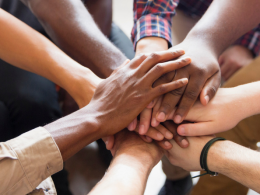
Equal attention is being paid to the social aspect of well-being. According to U.S. Surgeon General research, loneliness is as harmful to one’s health as smoking fifteen cigarettes a day. Community-led wellness programs, such as neighborhood meditation circles and group exercise classes, are thriving in response to this. These group customs strengthen a sense of connection and belonging, reaffirming that achieving well-being is a shared, relational, and dynamic endeavor rather than an individual one.
This movement is changing industries in terms of the economy. With a valuation of over $2 trillion, the global wellness economy is still growing as more people choose long-term health solutions over temporary ones. Value—items and experiences that improve everyday living by making it healthier, more peaceful, and more connected—is what is driving the growth rather than vanity. It’s a change from treatment to practice, from escape to involvement.
This increasing emphasis on making well-being a daily habit is a sign of a cultural awakening. It’s about incorporating tiny, deliberate actions that gradually produce harmony in order to replace the myth of balance with the art of rhythm. Stronger bonds, healthier communities, calmer workplaces, and people who approach every day with compassion and clarity are all glaring examples of the impact.
Previously viewed as a destination, well-being is now recognized as a daily decision—a constant pulse that keeps everything else going. As more people adopt this way of thinking, it’s becoming evident that this is a new social contract based on the silent power of presence, consistency, and care rather than just a wellness movement.