




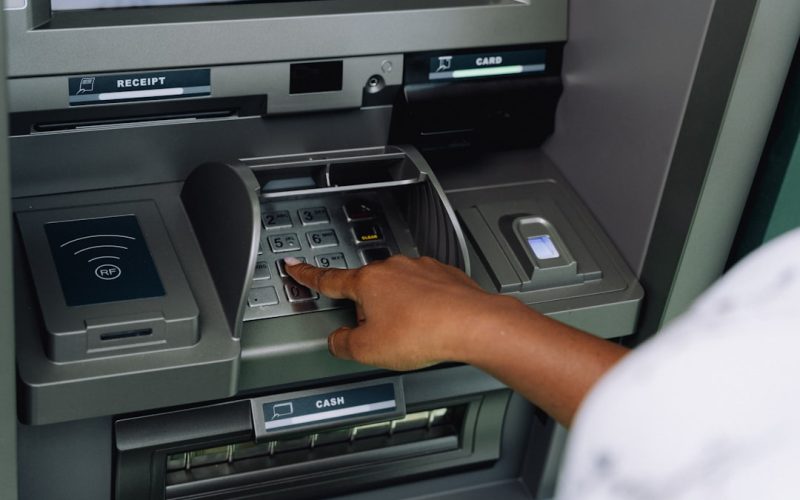

A move toward a cashless society is clearly being seen. It is happening faster than many expected. Digital payments are being used more each day. Mobile wallets are being tapped. Contactless cards are being waved. Online transfers are being trusted over notes and coins. Because of this, banking is being changed at its core. Big opportunities are being created, but challenges are also being faced. Banks are now being pushed to rethink how they work, both online and offline. If cash is no longer central, then what comes next?
Simply adding digital products is not enough anymore. A deeper change is being required. Core systems are being reshaped. Customer relationships are being redefined. Risk rules are being updated too. With more digital payments, more data is being collected. This data is being used to personalize services. At the same time, customers expect strong security, reliable systems, and fair access for everyone. That balance is not easy, is it?
Adapting Physical Infrastructure
Cash use is going down. Because of that, bank branches are being used less for simple tasks. Deposits and withdrawals are not the main reason people visit anymore. So branches are being rethought. Many are being turned into advisory spaces instead of transaction counters.
Face-to-face services are still valued. Things like mortgages, wealth planning, and business loans benefit from real talks. That is where branches are now focusing. This shift also changes who works there. Fewer tellers are needed. More skilled advisors are being trained.
Some branches are even being turned into community spaces. Financial workshops are being hosted. Local events are being supported. Relationships are being built beyond money. But managing all this? It is not simple. Decisions must be made about which branches to redesign, merge, or close. A big task, honestly.
Enhancing Digital Platforms and Security
In a cashless world, digital platforms are everything. Apps and online portals are expected to work all the time. They must be fast. Easy. Clear. If they fail, trust is lost quickly.
Because of this, banks are constantly investing in technology. User experience is being improved. New features like real-time payments and digital wallets are being added. Customer loyalty now depends heavily on how well these platforms perform. One bad update can cause frustration, right?
But risks grow too. Digital systems attract attacks. Cyber threats are always present. According to recent supervisory update, several dangers are being watched closely:
- Customer data being exposed through breaches
- Identity theft and advanced fraud attempts
- System outages caused by failures or attacks
- Service disruptions affecting the wider economy
Strong and resilient systems are being required. Trust must be built and protected. Without it, a cashless model cannot really work.
Data Analytics and New Service Models
Every digital payment creates data. In a cashless society, that data becomes massive. Banks are now sitting on valuable insights. When used ethically, this data can change how services are offered.
With analytics and AI, generic products are being replaced. Personalized advice is being delivered. Spending habits are analyzed. Savings tips are suggested. Budget alerts are sent before problems happen. That feels helpful, doesn’t it?
New business models are also being explored. Banks are no longer relying only on interest income. Fee-based services are being developed. Businesses may be offered cash flow tools. Individuals may subscribe to financial wellness platforms. These services help banks stand out and build stronger advisory roles.
Ensuring Financial Inclusion
Not everyone benefits equally from a cashless system. That is a real concern. Some people struggle with digital tools. Elderly users. Rural communities. Low-income households. Cash has helped them manage daily life. Without it, barriers can appear.
Banks are being expected to respond. Inclusive design is needed. Simple interfaces help. Education programs matter. Support must be easy to reach. Offline payment options can also act as backups during outages.
If these steps are not taken, gaps will grow wider. And that is not good for society as a whole, right?
Preparing for Strategic Change
The shift to a cashless society is a multifaceted development that touches every part of a financial institution. It requires a coordinated strategy that aligns technology investments, operational adjustments, risk management protocols, and customer service initiatives. Organisations that approach this change with a clear vision are better positioned to manage the associated challenges and capitalise on the opportunities.
Developing a forward-looking plan requires a comprehensive understanding of the evolving financial landscape. Independent banking sector advisory services help teams act with clarity. Expert guidance can support organisations in building resilient operating models and making informed decisions.
Ultimately, the future of banking will be defined by adaptation. Institutions that successfully transform their services to meet the demands of a digital-first world will not only survive but also strengthen their customer relationships and secure their long-term sustainability.