




A new health philosophy is subtly spreading across kitchen tables, streaming services, and clinics. In this new age of holistic health, maintaining what feels whole is more important than merely mending what is damaged. From the clinical settings of hospitals to the peaceful silence of meditation applications, the change is strikingly pervasive. People are beginning to understand that true well-being depends not only on medication but also on balance—between effort and rest, emotion and nutrition, and thought and action.
This strategy has changed remarkably quickly in the last few years. Wearables, telehealth, and a renewed emphasis on empathy in healthcare have all influenced it. Holistic wellness, which was once written off as fringe, is now at the forefront of innovation. According to HealthHero’s 2025 report, wellness and telehealth have combined to form a single, highly effective, deeply human, and customized system. Patients now want to participate rather than receive a prescription.
| Aspect | Description |
|---|---|
| Core Principle | Balancing body, mind, and spirit through integrated, preventive, and empathetic care |
| Emerging Trends | Telehealth, mindfulness, plant-based nutrition, AI wellness tracking, and emotional intelligence coaching |
| Cultural Drivers | Growing mental health awareness, demand for personalized well-being, and social media influence |
| Ancient Roots | Practices from Ayurveda, Chinese medicine, and yoga reinterpreted for modern lifestyles |
| Global Impact | Transforming healthcare, corporate culture, and personal well-being |
| Reference Source | https://www.sciencedirect.com/topics/nursing-and-health-professions/holistic-health |
Because it emphasizes connection—the minute connections between our feelings, hormones, and everyday decisions—holistic health is especially cutting edge. The body responds when stress levels rise, and the mind calms when rest levels fall. It’s a dance between systems that were previously handled independently in medicine. This knowledge is now influencing how clinics run, how businesses treat their staff, and how families deal with healing at home. Modern medicine is not replaced by the new philosophy; rather, it is enhanced by it by adding awareness and empathy to its accuracy.
The movement has gained new momentum by utilizing technology. platforms like me.The combination of telehealth and wellness is a significant advancement, according to Los Angeles Aesthetics. Doctors can now help patients develop long-term habits rather than temporary ones through remote consultations and real-time monitoring. AI-based health tracking, mindfulness therapy, and virtual yoga sessions have all evolved into digital extensions of traditional healing methods. The same idea that underpinned Chinese and Ayurvedic medicine has been reinterpreted through data and design.
In this change, celebrities have had an unforeseen impact. Once derided, Gwyneth Paltrow’s Goop company is now acknowledged as a pioneer in lifestyle-based healing. Younger audiences have been motivated to view self-care as self-respect by Zendaya, who is well-known for her serene yet direct thoughts on mental health. For millions of people, Selena Gomez’s candor about lupus and anxiety helped de-stigmatize therapy. Because of their transparency, holistic wellness is now more about honesty than luxury—a daily discussion rather than a luxury.
Amazingly, the supplement industry has also changed as a result of this cultural shift. Kinetica’s 2024 study claims that emotional health is now just as important to holistic nutrition as physical health. Ashwagandha and reishi mushrooms are examples of adaptogenic herbs that are now commonplace and can be found in nighttime gummies and morning lattes. By 2026, it is anticipated that global supplement sales will surpass $70 billion, demonstrating how consumers now place equal importance on inner balance and external beauty.
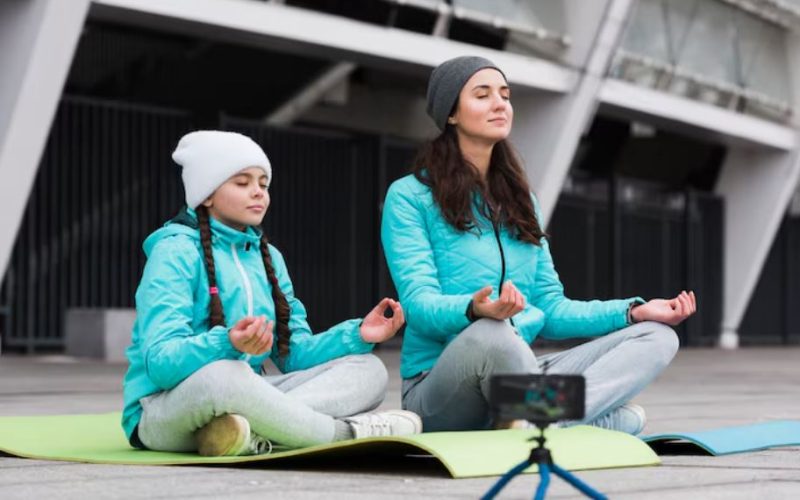
Diet is only one aspect of the change. This new movement has made mental health its central theme. For those dealing with stress and burnout, mindfulness platforms like Calm and Headspace are more than just apps—they are lifelines. Whether it’s a guided meditation before bed or a smartphone meditation during lunch, these tools have made meditation surprisingly accessible. Mental hygiene has become as commonplace as brushing one’s teeth due to this democratization of calm.
According to integrative cardiovascular Chinese medicine expert Anika Niambi Al-Shura, empathy is the unsung power of this advancement in healthcare. According to her, contemporary healers need to integrate medical expertise with empathy and interdisciplinary understanding. Her method is especially helpful in cardiac care, as recovery is directly impacted by emotional health. The ethical underpinning of holistic medicine is the notion that healing necessitates both science and soul.
Surprisingly, technology has evolved from a distraction to an ally. AI wellness assistants can now recognize emotional exhaustion in speech and prompt users to meditate or take a break. Fitness trackers monitor stress, sleep quality, and mood swings in addition to counting steps. Because it brings mindfulness back into the modern world, this fusion of artificial intelligence and human intuition is especially novel. It transforms technology into a tool for self-awareness rather than a source of excessive stimulation.
This change is particularly noticeable because it reflects the evolution of culture. A few decades ago, being healthy meant not being sick or uncomfortable. These days, it is characterized by the presence of happiness, clarity, vitality, and purpose. This reinterpretation is incredibly optimistic. It redefines health as thriving rather than survival. People are starting to ask, “What can I do to feel whole?” rather than, “What’s wrong with me?”
Businesses are also embracing this way of thinking. Businesses such as Google and Deloitte have implemented energy recovery rooms, sound therapy sessions, and meditation breaks for their staff. Focus and retention have significantly increased as a result of these programs, demonstrating that inner health influences external performance. This all-encompassing approach to corporate culture implies that efficiency and empathy are collaborators rather than antagonists.
The wisdom of ancient philosophies still applies to this transition. According to Ayurveda, “being content in one’s natural state of harmony” is the definition of true health, or Swasthya. This classic concept works remarkably well in the era of digital stress and hybrid work. It promotes self-awareness as a daily practice. Ayurveda sees health as a continuous relationship with one’s environment, as explained in Bhushan Patwardhan’s Integrative Approaches for Health. It’s about sustaining rather than achieving—a strategy that seems surprisingly contemporary in the modern era.
This integrative approach has even been adopted by the fashion and beauty industries. According to The Times of India, holistic wellness is now the cornerstone of contemporary skincare. These days, products promise relaxation in addition to radiance. The emphasis now is on nourishing balance rather than hiding imperfections. Synthetic chemicals are being replaced by orange and botanical extracts, signifying that consumers now equate authenticity rather than perfection with health.
This new era of holistic health is fundamentally both profoundly personal and revolutionary for society. It reminds people that vitality is found in constant awareness rather than in a single miracle drug and encourages them to take charge of their health. Small, deliberate actions, such as journaling gratitude, eating a balanced diet, and practicing mindful breathing, are helping people subtly redefine what health means.
This movement is a human awakening rather than just a wellness fad. It demonstrates that healing can be both pragmatic and poetic, that science and spirit can work together, and that progress and peace can coexist. This era of holistic health will continue to grow as technology advances and empathy grows; it is incredibly inclusive, exquisitely balanced, and incredibly hopeful for future generations.